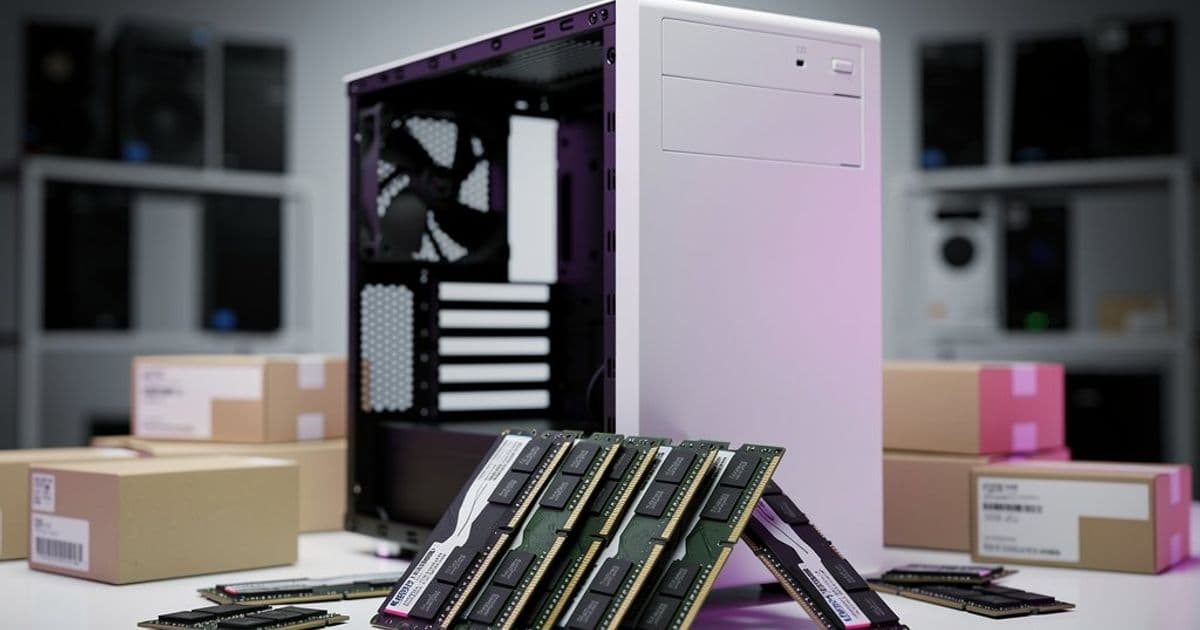
Tokyo's Sofmap Gaming outlet issues public plea for customers to sell any functional PCs amid critical shortages, highlighting cascading effects of AI-driven memory constraints on consumer hardware availability.

The Akihabara branch of Japanese electronics retailer Sofmap Gaming has issued an unprecedented public appeal for used PCs, stating "we pretty much buy any PC" in response to critical inventory shortages. The store's official X account posted images of near-empty shelves alongside a translated plea: "As a favor, if you buy a new one, please sell your gaming PC to our company... We buy them back at pretty high prices." This request explicitly includes gaming desktops, laptops, and non-gaming systems – a stark indicator of supply chain distress.
The shortage stems from a memory supply crisis accelerated by AI infrastructure demands. Data center operators have absorbed disproportionate DRAM production capacity, creating ripple effects across consumer markets. DDR5 modules exemplify the imbalance: A Corsair Vengeance RGB DDR5-5200 16GB kit now retails for $235 on Amazon – a 256% price surge from October 2023's $66 baseline. This represents a 3.5x cost multiplier in under four months, directly attributable to wafer allocation shifts toward high-margin server modules.

Market data indicates DDR4 remains relatively stable due to existing inventory buffers and continued motherboard production. However, the contagion has spread to adjacent segments. Pre-built system availability has tightened 22% quarter-over-quarter according to retail channel checks, while graphics cards with 12GB+ VRAM face allocation constraints. Industry analysts project GPU restocks will carry 15-30% price premiums, compounded by rumors of next-generation delays.
The used PC market has become an unexpected pressure valve. Sofmap's public appeal confirms secondary systems now command premium buyback values, with retailers scrambling to source functional hardware. This represents a significant acceleration of the shortage timeline – initial DDR5 spot price increases manifested in November 2023, followed by SSD and HDD limitations, before culminating in complete system scarcity.

Japan's historically robust used electronics ecosystem provides temporary relief. Chains like Hard-Off maintain inventories of legacy systems bridging the gap between vintage collectibles and modern hardware. However, increased demand for mid-tier used PCs threatens to deplete these reserves, potentially driving retro-computing prices upward. Current market dynamics suggest consumer-grade hardware scarcity will persist through Q3 2026 absent major fab capacity adjustments or AI demand moderation.
Comments
Please log in or register to join the discussion