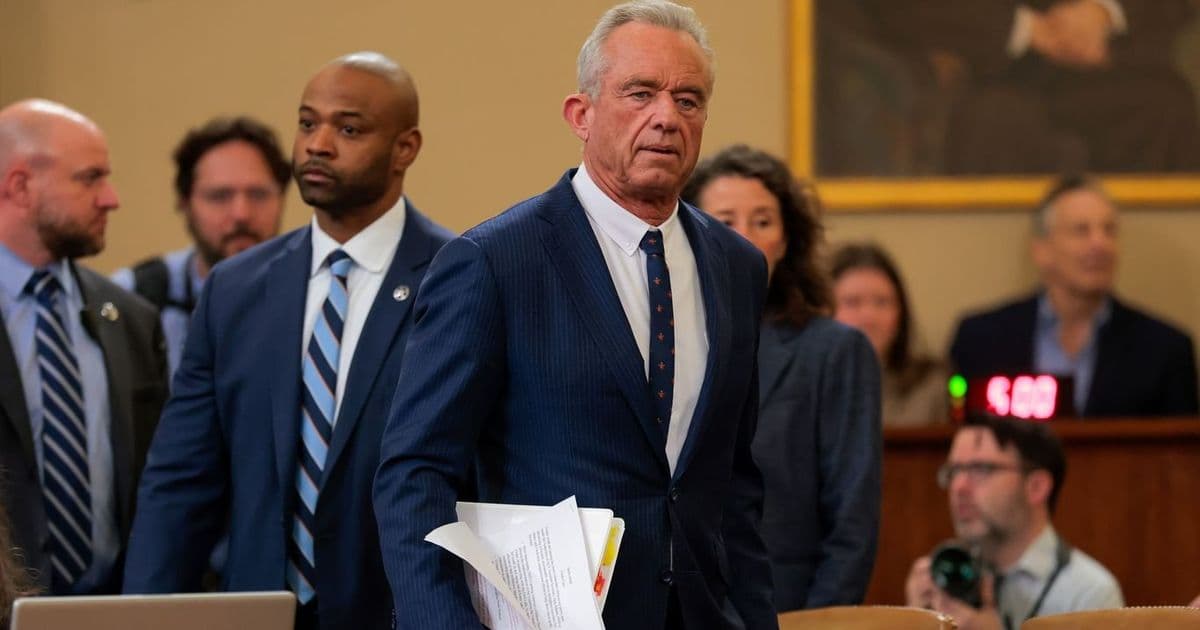
Health Secretary Robert F. Kennedy Jr. faced intense questioning from Democrats during House hearings about vaccine safety and the growing measles outbreak, highlighting the political divide over public health policy.
Health Secretary Robert F. Kennedy Jr. faced a barrage of questions from Democratic lawmakers during House hearings Wednesday, as tensions flared over vaccine safety and the nation's response to rising measles cases.
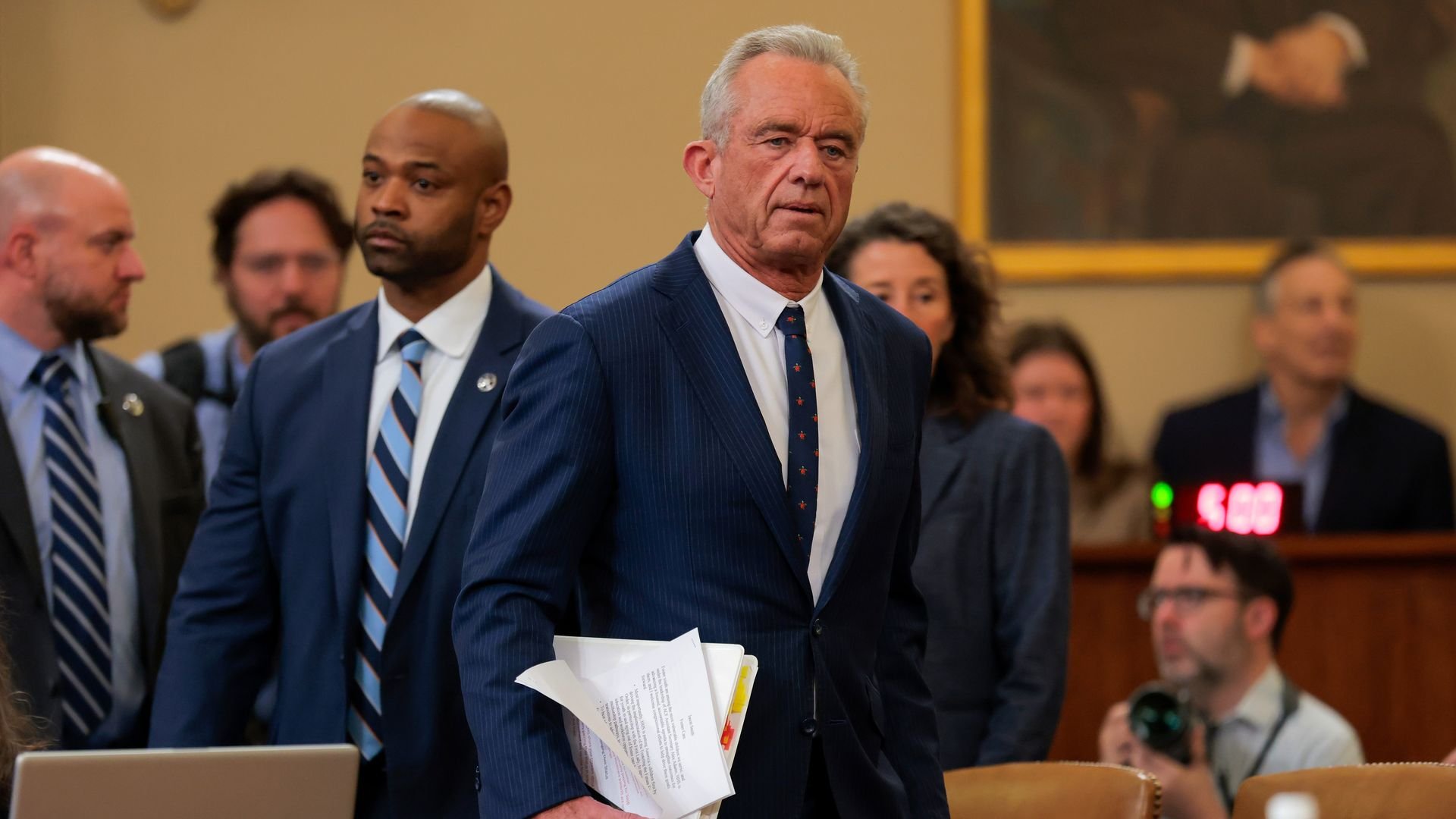
Kennedy, a longtime vaccine skeptic before his appointment, found himself defending the administration's public health policies as measles cases have surged to their highest levels in decades. The hearings before the House Ways and Means Committee exposed deep partisan divisions over how to address the outbreak.
The clash comes as measles cases have climbed to over 300 reported infections across multiple states this year, with outbreaks concentrated in areas with lower vaccination rates. Health officials warn that vaccination rates have fallen below the 95% threshold needed for herd immunity in many communities.
Democratic representatives pressed Kennedy on his past statements questioning vaccine safety and his current stance on the measles, mumps, and rubella (MMR) vaccine. Kennedy maintained that he supports vaccination but emphasized the need for more research into potential side effects.
"The science is clear that vaccines are safe and effective," said Representative Lloyd Doggett of Texas, who questioned Kennedy's commitment to evidence-based public health policy. "We cannot afford mixed messages when lives are at stake."
The hearings highlighted the political challenges facing the administration as it attempts to contain the measles outbreak while managing skepticism from Kennedy's supporters who share his historical concerns about vaccine mandates.
Public health experts warn that the political debate over vaccines threatens to undermine efforts to control the outbreak. The Centers for Disease Control and Prevention has launched outreach campaigns to educate parents about the importance of timely vaccinations, particularly in areas experiencing outbreaks.
Kennedy's testimony revealed the delicate balance he must strike between addressing legitimate public health concerns and maintaining credibility with communities that have grown distrustful of traditional medical institutions. His past advocacy for alternative health approaches continues to color perceptions of his leadership at the Department of Health and Human Services.
The measles outbreak has already resulted in dozens of hospitalizations and one confirmed death, the first in the U.S. in over a decade. Health officials stress that the MMR vaccine is 97% effective at preventing measles when administered according to the recommended schedule.
As the political debate continues, state and local health departments are working to contain outbreaks through vaccination clinics and public education efforts. The outcome of this political clash could have lasting implications for how future public health emergencies are managed in an increasingly polarized environment.
The hearings underscore the ongoing challenge of maintaining public trust in vaccines while addressing the concerns of communities that have grown skeptical of medical authorities. With measles cases continuing to rise, the pressure on Kennedy and the administration to deliver a unified, science-based response will only intensify.
Comments
Please log in or register to join the discussion