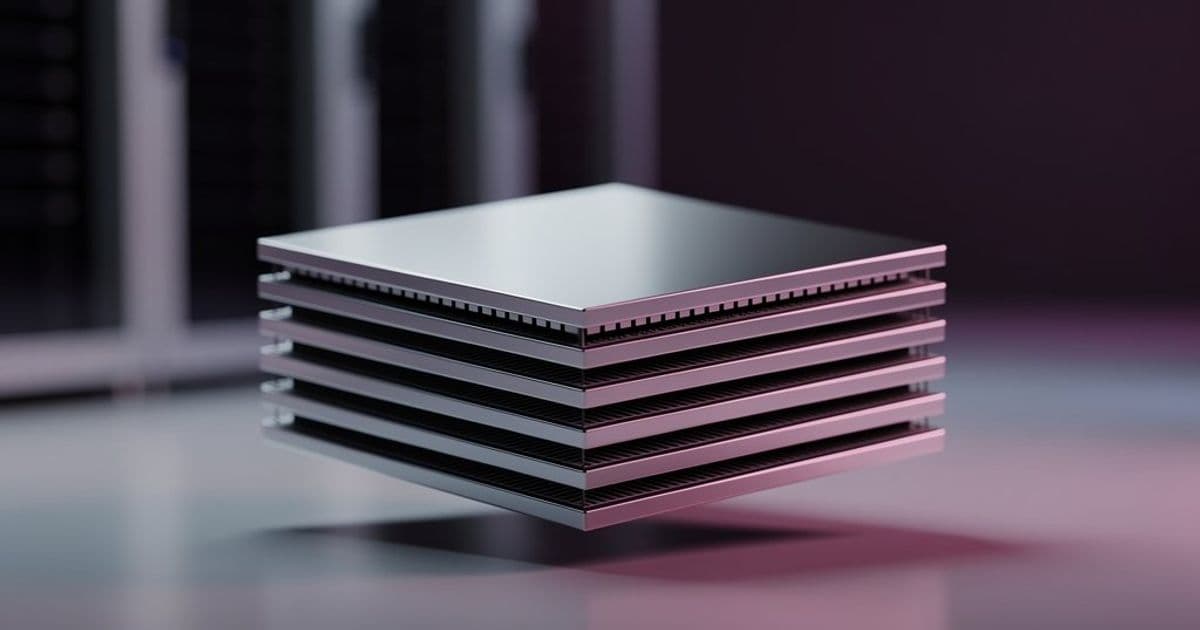
Japanese chipmaker Kioxia's stock has skyrocketed over the past year, driven by a perfect storm of AI infrastructure demand and constrained NAND flash supply. This rally highlights a fundamental shift in the memory market, where traditional cycles are being disrupted by the insatiable needs of data centers and AI training clusters.
The numbers are staggering: Kioxia's stock is up approximately 800% over the past 12 months. This isn't a meme stock or a speculative bubble in the traditional sense. It's a reflection of a deep, structural shift in the semiconductor memory market, driven by the relentless demand for AI infrastructure and a supply chain that has struggled to keep pace.
Kioxia, formerly Toshiba Memory, is a dominant player in NAND flash memory—the type of storage used in everything from smartphones to data centers. For years, the NAND market has been notoriously cyclical, characterized by periods of oversupply and brutal price wars. The current environment, however, is different. The AI boom has created a new, massive source of demand for high-capacity, high-performance storage.
The AI Demand Engine
AI models, particularly large language models (LLMs), require vast amounts of data for training and inference. This data needs to be stored, accessed, and processed at incredible speeds. While DRAM (the memory used for active computation) gets most of the attention, NAND flash is the critical backbone for storing the massive datasets and model checkpoints that fuel AI development.
Data centers are the primary engine of this demand. Companies like Google, Amazon, Microsoft, and Meta are building out AI-specific infrastructure at a breakneck pace. These facilities are packed with GPUs and specialized AI accelerators, all of which require enormous amounts of storage. A single AI training run can generate terabytes of data, and enterprises are storing more data than ever before to train and fine-tune custom models.
This demand isn't just for capacity; it's for performance. The rise of AI has accelerated the adoption of faster storage technologies like NVMe (Non-Volatile Memory Express) SSDs, which offer significantly higher throughput and lower latency than traditional SATA drives. Kioxia, as a leader in enterprise SSDs, is well-positioned to capitalize on this trend.
Supply Constraints and Pricing Power
On the supply side, the market has been constrained. Several factors have contributed to this:
Capital Discipline: After the brutal downturn of 2022-2023, memory manufacturers like Kioxia, Samsung, and SK Hynix have been more cautious about adding new capacity. The focus has shifted from chasing market share to protecting margins.
Manufacturing Complexity: Building advanced NAND fabrication plants is incredibly expensive and technically challenging. The transition to newer process nodes (like 200-layer and beyond) requires significant capital investment and has a long lead time.
Geopolitical and Supply Chain Issues: While less pronounced than in other sectors, global trade tensions and logistical challenges can still impact the flow of materials and equipment needed for chip production.
This combination of surging demand and restrained supply has given chipmakers like Kioxia unprecedented pricing power. For the first time in years, they are in a position to dictate terms rather than simply react to market forces. This is reflected in their financial performance and, ultimately, in their soaring stock prices.
Kioxia's Position and Future
Kioxia is a pure-play memory company, making it a direct beneficiary of these market dynamics. Unlike Samsung or SK Hynix, which have diversified portfolios (Samsung in particular), Kioxia's fate is tightly coupled to the NAND market. This makes its stock a leveraged bet on the health of the memory sector.
The company has been investing heavily in R&D to maintain its technological edge. Its focus on high-density, high-endurance NAND is crucial for data center applications. Furthermore, Kioxia's joint venture with Western Digital (the Flash Memory Alliance) provides manufacturing scale and shared R&D costs, a strategic advantage in a capital-intensive industry.
However, the market is not without risks. The AI-driven demand surge could eventually normalize, and the memory industry's historical cycles suggest that periods of high profitability often lead to new waves of capacity expansion, which can later lead to oversupply. The key question is whether AI represents a permanent, structural increase in memory demand or a cyclical peak.
For now, the market is betting on the former. The 800% stock rally is a clear signal that investors believe the AI boom is creating a new, higher baseline for memory consumption. Kioxia, as a leading supplier, is at the center of this transformation.
Broader Market Implications
Kioxia's surge is part of a larger story in the semiconductor industry. The AI revolution is reshaping demand patterns across the entire chip ecosystem, from logic processors (GPUs, TPUs) to memory and storage. Companies that can align their product portfolios with these new demands are being rewarded handsomely by the market.
This trend also highlights the growing importance of specialized memory solutions. The one-size-fits-all approach of the past is giving way to a more nuanced market where different applications—AI training, AI inference, enterprise storage, consumer devices—require tailored memory architectures. Kioxia's success suggests it is navigating this shift effectively.
As the AI infrastructure build-out continues, the memory market will remain a critical battleground. The companies that can deliver the right balance of performance, capacity, and cost will be the ones that thrive. For Kioxia, the past year's performance is a testament to its ability to meet the moment. The challenge will be sustaining that momentum in a rapidly evolving technological landscape.
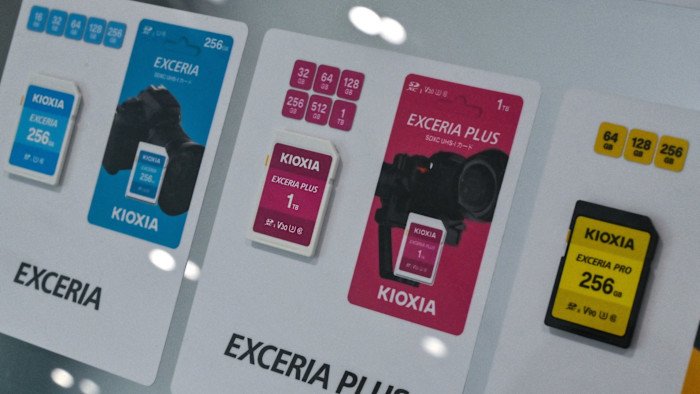
Featured image: Kioxia's stock performance reflects the intense demand for NAND flash in the AI era.
Comments
Please log in or register to join the discussion