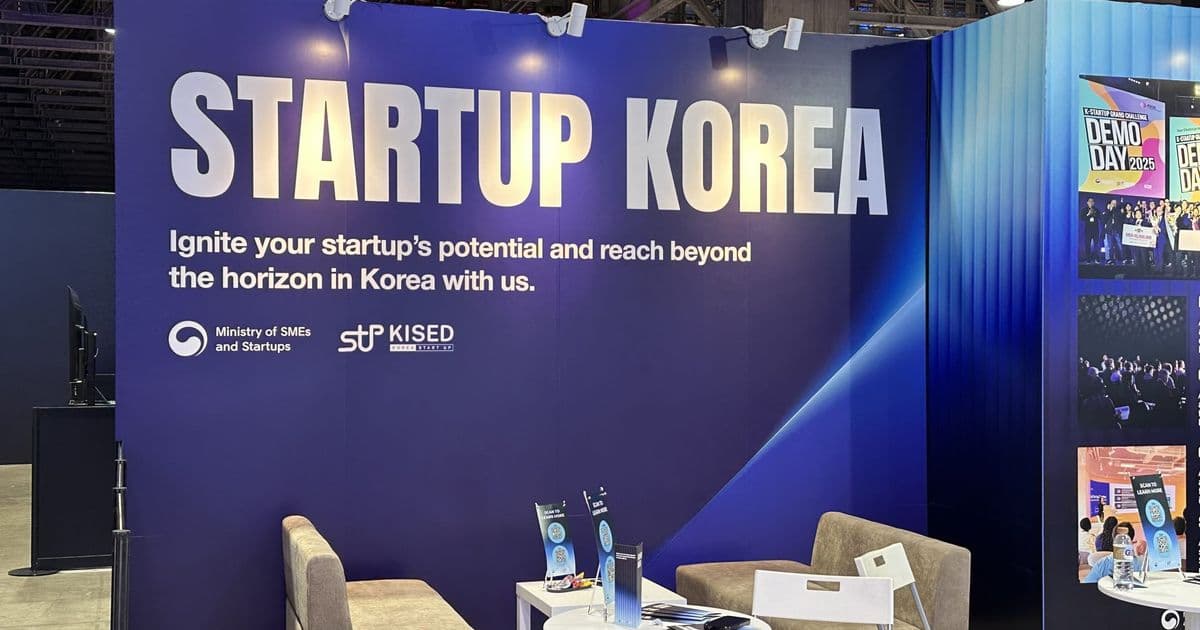
At BEYOND Expo 2026, the Korea Institute of Startup & Entrepreneurship Development detailed how government‑backed programs, a $1 billion budget and a suite of visa and funding options make South Korea a practical gateway for international startups seeking Asian market entry.
KISED’s pitch at BEYOND Expo
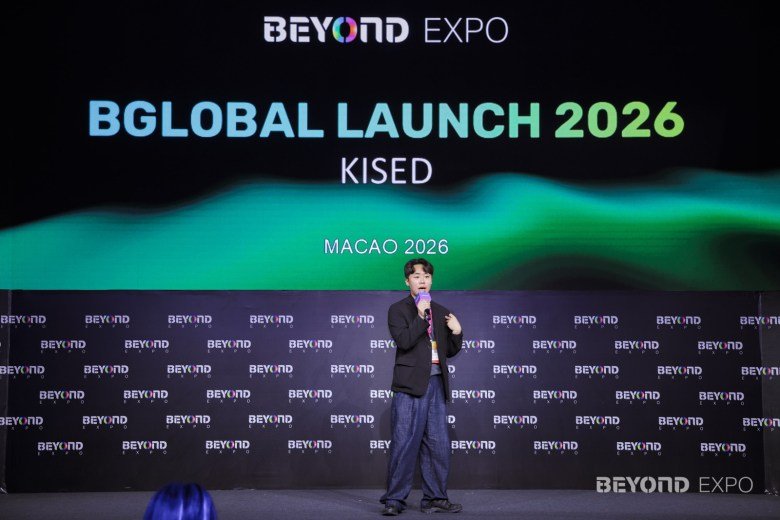
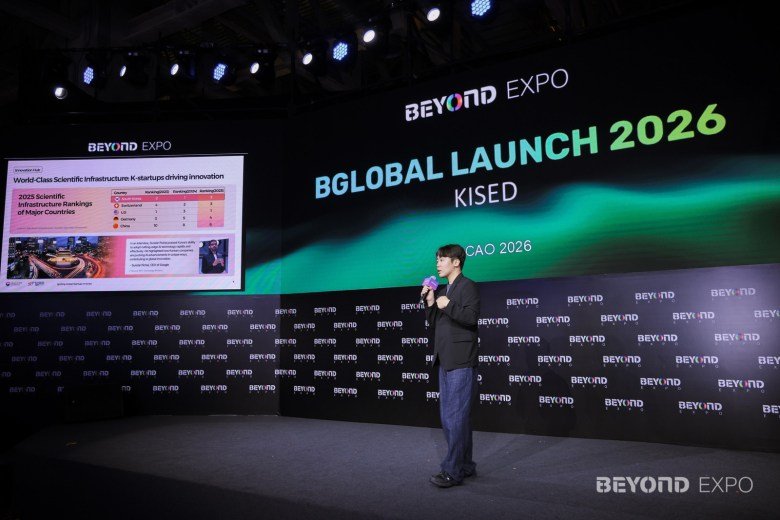
During the BEYOND Expo 2026, the Korea Institute of Startup & Entrepreneurship Development (KISED) took the stage to outline South Korea’s startup ecosystem and the suite of government‑backed support programs aimed at foreign entrepreneurs and investors. The presentation was less about selling a product and more about positioning the country as a practical launchpad for companies that want to scale across Asia.
Why South Korea matters to global founders
KISED highlighted three concrete strengths that set the Korean market apart:
- Digital infrastructure – nationwide 5G coverage, high‑speed broadband and a mature electronic‑payment ecosystem that reduces friction for e‑commerce and fintech ventures.
- R&D intensity – the nation consistently ranks in the top‑10 for research‑and‑development spending as a share of GDP, providing a fertile environment for hardware, AI and biotech startups.
- Policy support – a clear, ministry‑driven strategy that allocates roughly $1 billion annually to nurture entrepreneurship, from education to global expansion.
These factors translate into measurable outcomes: South Korea appears in the top‑five of the Global Innovation Index and hosts globally recognized corporations such as Samsung, SK Hynix and Hyundai Motor, which actively engage in open‑innovation programs with startups.
A brief history of the ecosystem
The modern Korean startup scene owes its shape to the post‑1997 Asian financial crisis, when the government deliberately shifted policy away from the traditional chaebol‑centric model. Over the past two decades, the focus has moved toward diversified, innovation‑driven growth. Today, technology‑focused firms account for a growing share of GDP, and the country’s export‑oriented mindset helps startups think globally from day one.
KISED’s toolbox for international entrepreneurs
KISED operates under the Ministry of SMEs and Startups and runs several programs that directly address the pain points of foreign founders:
| Program | Core offering | Recent stats |
|---|---|---|
| K‑Startup Grand Challenge | Three‑month acceleration, investor pitch days, commercialization aid | 2,000+ applications annually, ~80 startups selected |
| Global Startup Center | Office space, incorporation help, training, networking | Over 500 overseas teams hosted since 2018 |
| Commercialization Support | Up to $50,000 in seed funding, market‑entry consulting | 120 companies funded in 2025 |
| Startup Korea Special Visa | Fast‑track visa based on innovation merit, approval in ~30 days, no prior travel required | 1,400 visas issued in 2025 |
The K‑Startup Grand Challenge, for example, funnels participants into a curated mentorship network that includes executives from Samsung and Hyundai, while the Global Startup Center provides a physical foothold in Seoul’s Gangnam district, a hub for venture activity.
How the funding works
The $50,000 commercialization grants are not pure cash; they are bundled with access to local partner firms, legal assistance and a guaranteed pilot‑project slot with at least one large Korean corporation. This model reduces the typical “valley of death” that many foreign startups encounter when trying to prove product‑market fit in a new region.
Practical steps for founders interested in Korea
- Apply to the K‑Startup Grand Challenge – the application portal opens in early March each year. Detailed guidelines are available on the official site.
- Explore the Global Startup Center – registration can be completed online, and the center offers a virtual tour of its facilities.
- Prepare a visa dossier – the Startup Korea Special Visa requires a concise business plan, proof of innovative technology and a recommendation from a Korean partner. The Ministry’s visa guide walks applicants through the process.
What this means for the broader Asian market
South Korea’s approach blends substantial public funding with a clear pathway for foreign firms to integrate into local supply chains. For investors, the ecosystem offers a relatively low‑risk entry point into Asia because the government’s backing reduces early‑stage uncertainty. For startups, the combination of world‑class infrastructure, a dense network of large manufacturers and a fast‑track visa system creates a pragmatic route to scale.
Looking ahead
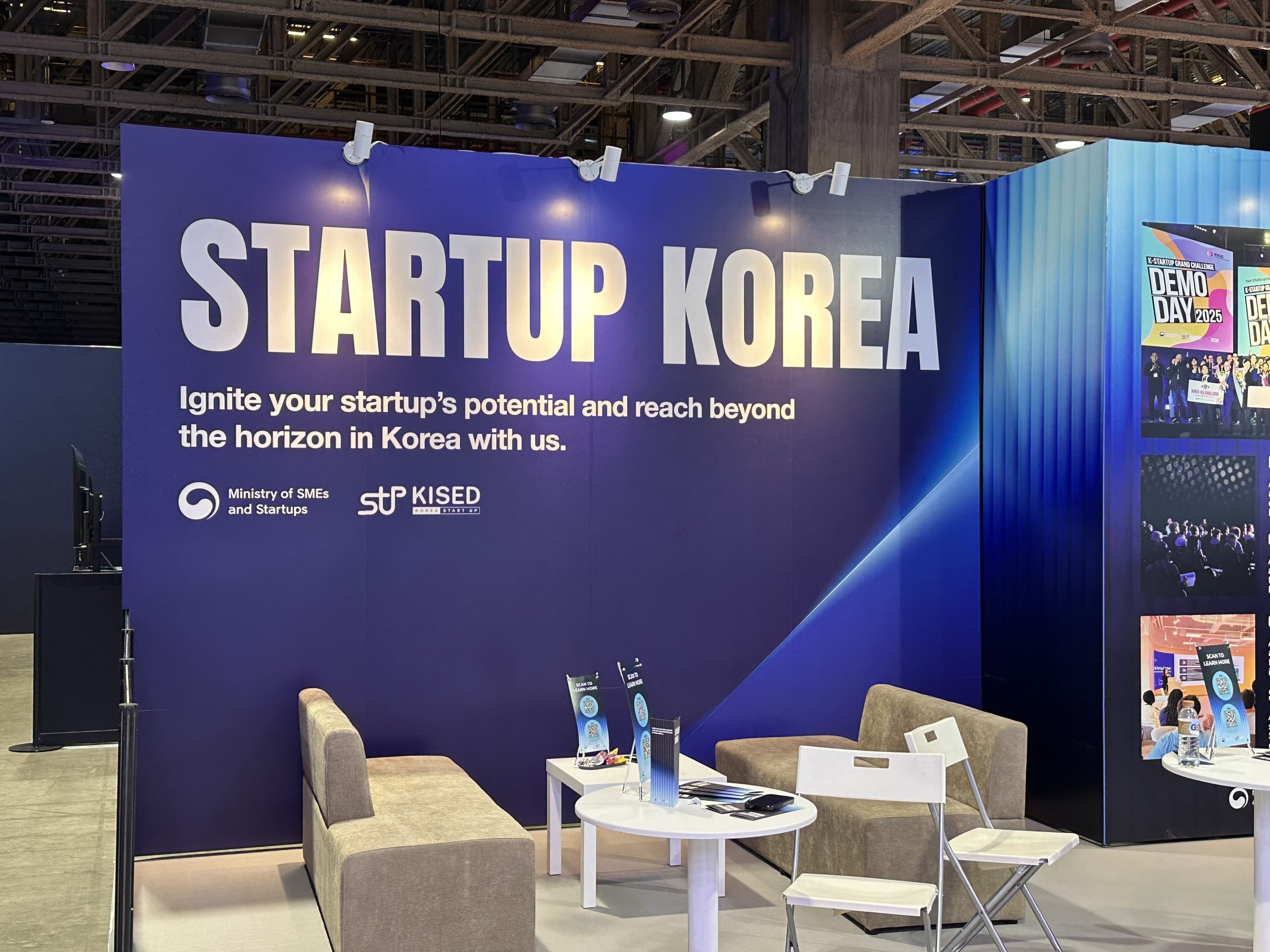
KISED concluded its BEYOND Expo session by inviting attendees to view South Korea as a strategic base for Asian expansion rather than a peripheral market. The institute plans to increase its annual budget by 10 % over the next three years and to double the number of international startups it supports through the Global Startup Center.
For founders weighing where to set up their next office, the Korean model offers a blend of tangible resources and policy certainty that is hard to find elsewhere in the region.
Comments
Please log in or register to join the discussion