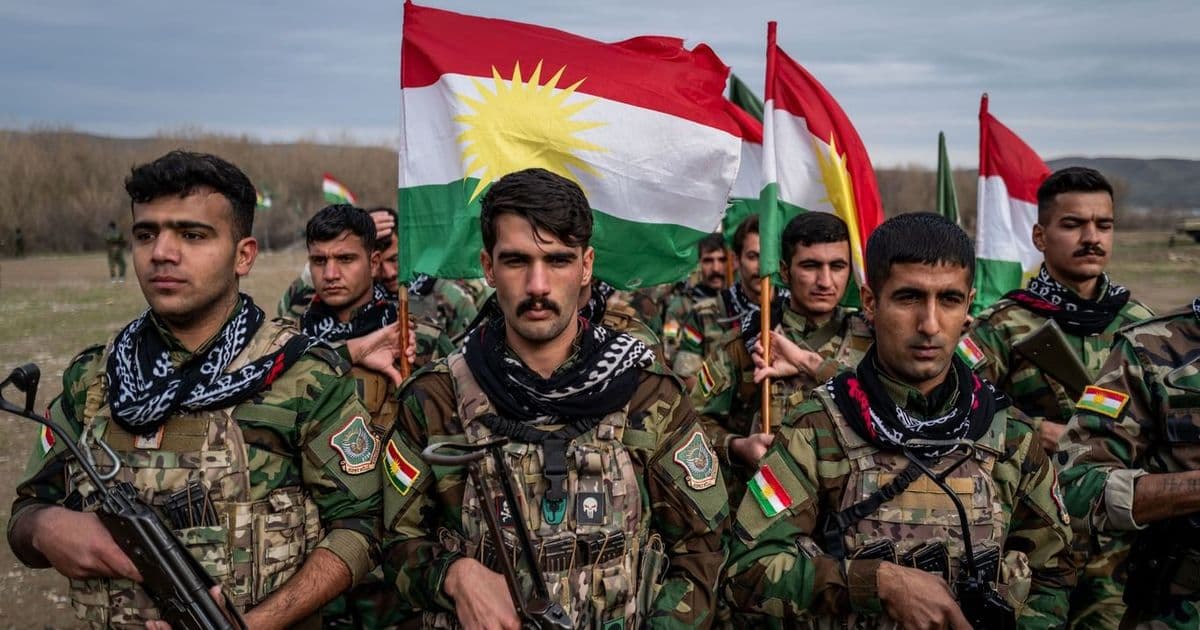
Iraqi Kurds face mounting pressure to join potential military action against Iran, but are resisting calls to abandon their hard-won autonomy.
The Kurdish Regional Government in northern Iraq finds itself at a critical juncture as regional powers exert increasing pressure on the semi-autonomous region to participate in potential military action against neighboring Iran. This development threatens to destabilize the fragile balance that has allowed Kurdish self-governance to flourish since the fall of Saddam Hussein.
Historical Context of Kurdish Autonomy
The Kurdish people have long sought self-determination across their traditional homeland spanning Iraq, Iran, Turkey, and Syria. In Iraq, the establishment of the Kurdish Regional Government (KRG) in 1992 represented a significant victory after decades of oppression under Ba'athist rule. The region has since developed its own government institutions, security forces (Peshmerga), and economic infrastructure, maintaining a degree of independence from Baghdad while remaining part of federal Iraq.
Current Geopolitical Pressures
Recent intelligence suggests that both regional and international actors are pressuring Kurdish leadership to allow their territory to be used as a staging ground for operations against Iran. This pressure comes at a time when Iraq itself remains vulnerable to Iranian influence through various Shia militias operating throughout the country.
Kurdish officials have consistently maintained that their region should remain neutral in any potential conflict between Iran and other powers. The KRG leadership understands that involvement in such a conflict would likely result in severe retaliation from Iran, potentially through its proxies in Iraq, and could jeopardize the economic relationships that have helped sustain the region's development.
Economic Considerations
The Kurdish region has invested heavily in energy infrastructure, including oil pipelines that bypass Baghdad and connect directly to Turkey. These economic lifelines could be severed if the Kurds are perceived as facilitating military action against Iran. Additionally, the region's tourism industry and agricultural exports could face sanctions or blockades from neighboring countries.
Security Dilemma
While the Peshmerga forces have proven capable of defending Kurdish territory against ISIS and other threats, they lack the capacity to withstand a sustained military campaign involving Iran or its allies. The Kurdish leadership must weigh the risks of maintaining neutrality against the potential consequences of being drawn into a broader regional conflict.
International Implications
The United States and its allies have maintained a complex relationship with the Kurdish region, providing military support while carefully balancing relations with Turkey and Iraq. Any decision by the Kurds to resist pressure for involvement in anti-Iranian operations could strain these relationships, particularly if Washington views Kurdish neutrality as undermining broader strategic objectives.
Path Forward
For now, Kurdish leaders appear committed to maintaining their region's autonomy and avoiding entanglement in regional conflicts. This stance reflects both pragmatic calculations about their limited military capabilities and a desire to preserve the hard-won gains of Kurdish self-governance. The coming months will test whether this neutral position can be maintained as regional tensions continue to escalate.
The situation remains fluid, with Kurdish officials engaged in delicate diplomatic efforts to reassure both regional powers and their international partners of their commitment to stability. The success of these efforts will largely determine whether the Kurdish region can continue to chart an independent course or will be forced to choose sides in an increasingly volatile Middle East.
Comments
Please log in or register to join the discussion