
OpenAI has kept the plan off its public pricing page, but leaked web-build references suggest the company may package science-focused ChatGPT tools for research users.

A web-build leak spotted on X points to a new OpenAI subscription named ChatGPT for Science, a plan that could give researchers a dedicated ChatGPT experience for scientific work.
OpenAI has not announced the subscription. The company’s public ChatGPT pricing page lists Free, Go, Plus, Pro, Business ChatGPT & Codex, Business Codex, and Enterprise plans as of June 18, 2026. The same site also includes a science and medicine use-case page with research prompts for literature review, data analysis, manuscript feedback, and clinical education.
The leak suggests OpenAI may want a clearer product lane for scientists, universities, medical researchers, and research organizations. A dedicated subscription could bundle larger context windows, stronger citation workflows, research database grounding, document review tools, and governance controls for institutions that need auditability.
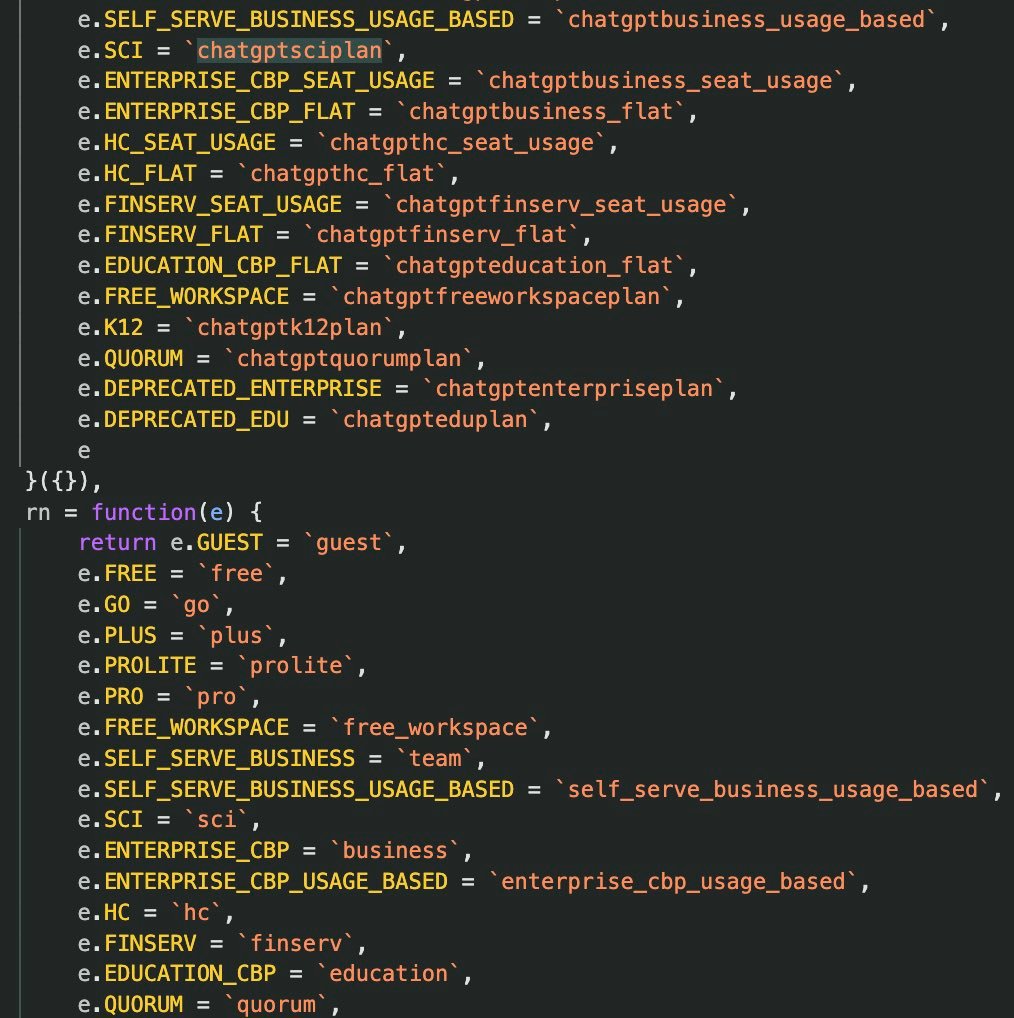
OpenAI already sells business and enterprise plans with administrative controls, security features, and data protections. Research organizations often need more than broad workplace controls. Labs handle unpublished papers, trial data, grant documents, patient-adjacent records, chemical data, and collaboration agreements. Those teams need access rules, logging, retention controls, and clear limits on model use.
A science-focused ChatGPT plan would also fit OpenAI’s public push into domain workflows. OpenAI’s science and medicine page shows examples that ask ChatGPT to brainstorm research questions, check manuscript references, evaluate gene candidates, compare sequencing file formats, and prepare clinical education material. Those examples point to a product strategy based on task-specific assistance rather than a generic chat box.
Security and compliance teams should treat the leak as an early signal, not a procurement plan. Before a lab adopts any AI research subscription, administrators should ask OpenAI for data retention terms, training exclusions, access logs, export controls, supported compliance frameworks, and limits on regulated data. Researchers should also keep human review in the workflow, especially for literature claims, clinical guidance, and experimental design.
The practical takeaway is simple: OpenAI may move ChatGPT’s research features into a dedicated subscription, and institutions should prepare evaluation criteria now. Teams that wait for launch day will have to assess privacy, accuracy, governance, and cost under time pressure.
Comments
Please log in or register to join the discussion