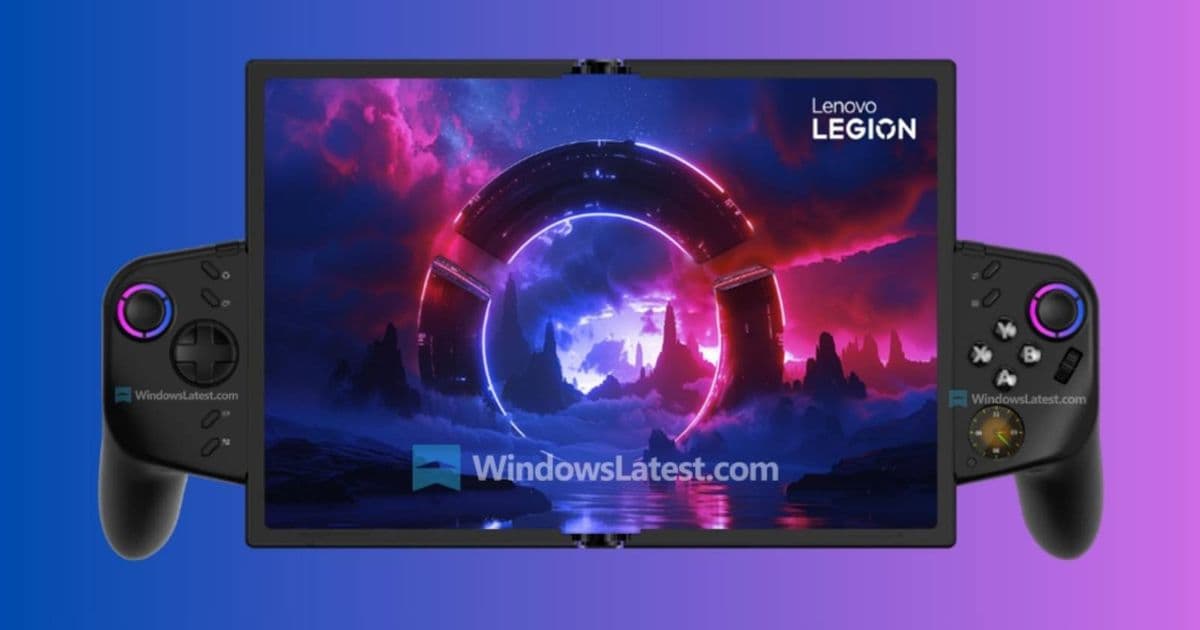
Lenovo is reportedly developing a revolutionary foldable gaming device that combines the portability of a handheld with the functionality of a full Windows 11 laptop.
Lenovo appears to be pushing the boundaries of portable gaming with a new device that could fundamentally change how we think about gaming on the go. According to recent reports, the company is developing a foldable gaming handheld that doubles as a full-fledged Windows 11 laptop, potentially bridging the gap between Nintendo Switch-style portability and PC gaming power.
The Concept: Two Devices in One
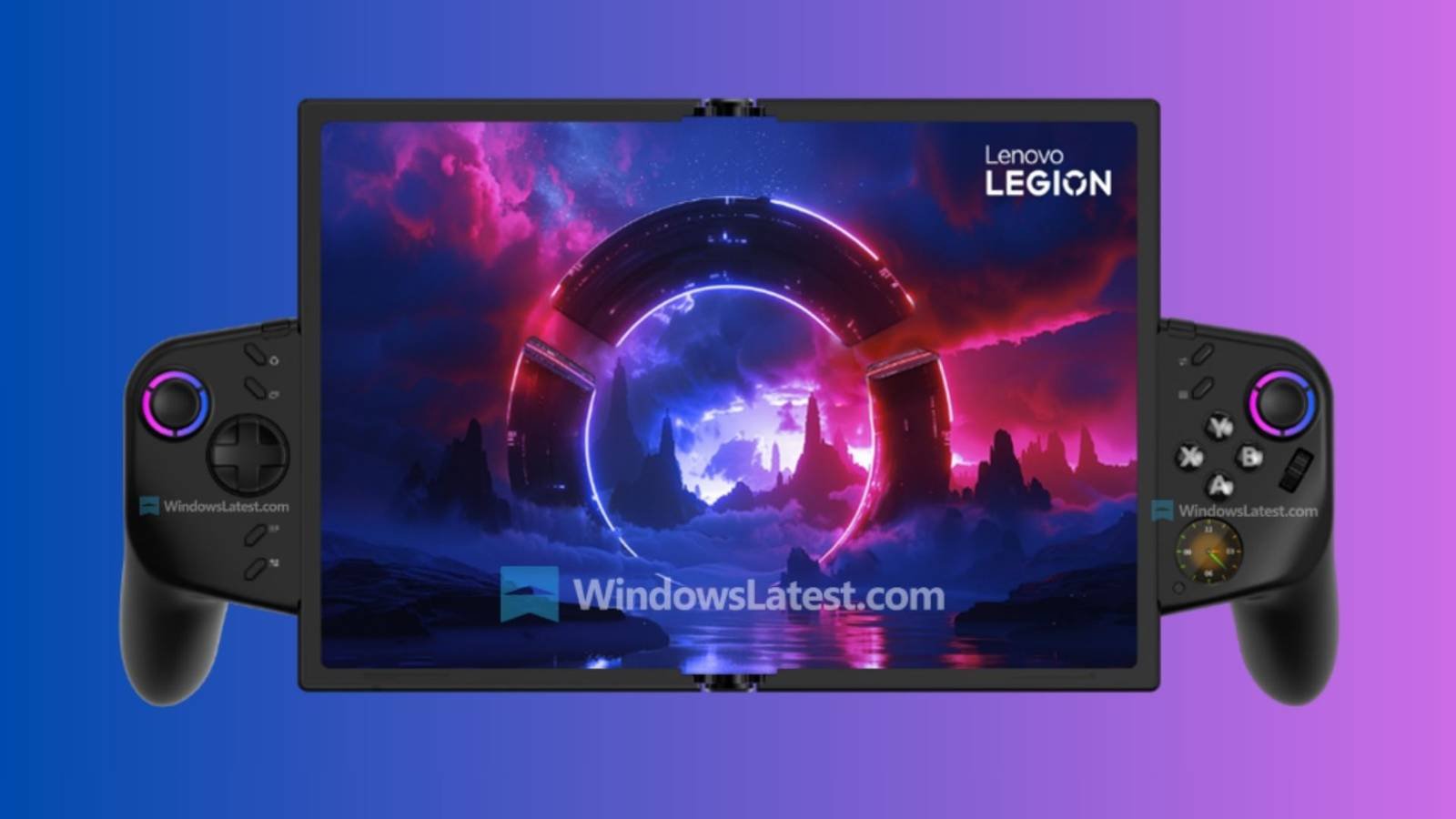
The device, reportedly part of Lenovo's Legion gaming lineup, would feature a foldable display that can transform from a compact handheld gaming console into a traditional laptop form factor. This dual-purpose design addresses a common pain point for gamers who want both the convenience of handheld play and the productivity capabilities of a proper laptop.
When folded, the device would function as a gaming handheld similar to the Steam Deck or ROG Ally, complete with integrated controls and a form factor designed for comfortable extended gaming sessions. Unfolded, it would reveal a full-sized keyboard and trackpad, transforming into a Windows 11 laptop capable of handling productivity tasks, streaming, and more demanding gaming scenarios.
Technical Possibilities
While specific hardware details remain scarce, the device would likely need to balance several competing priorities:
Display Technology: A foldable OLED or AMOLED panel would be essential for both gaming performance and productivity use. The display would need to be bright enough for outdoor use while maintaining the flexibility required for the folding mechanism.
Processing Power: To function as both a gaming handheld and a Windows laptop, the device would require a powerful mobile processor, possibly AMD's latest Ryzen AI chips or Intel's mobile processors with integrated graphics capable of handling modern games at reasonable settings.
Battery Life: This is perhaps the biggest challenge. Gaming handhelds typically struggle with battery life, and adding laptop functionality would only increase power demands. Lenovo would need to implement advanced power management and possibly include fast-charging capabilities.
Cooling System: Gaming hardware generates significant heat, and fitting an effective cooling solution into a foldable form factor presents engineering challenges. The device would likely need a hybrid cooling approach with both passive and active cooling elements.
Market Context and Competition
The timing for such a device is interesting, as the handheld gaming market has exploded in recent years. The Steam Deck proved there's significant demand for PC gaming on the go, while devices like the ROG Ally and MSI Claw have shown that traditional gaming brands are eager to enter this space.
However, Lenovo's approach would be unique in its dual functionality. While other handhelds focus purely on gaming, this device aims to replace both a gaming console and a laptop, potentially appealing to students, professionals, and gamers who want to travel light without sacrificing functionality.
Potential Challenges
Several hurdles could impact the device's success:
Price Point: Combining cutting-edge foldable display technology with gaming-grade hardware and laptop functionality would likely result in a premium price tag, potentially limiting its appeal to enthusiasts and professionals.
Durability: Foldable devices have historically faced concerns about hinge durability and display longevity. For a gaming device that would likely see heavy use, these concerns would be magnified.
Software Optimization: Windows 11 isn't specifically designed for foldable devices, so Lenovo would need to develop custom software solutions to optimize the user experience across different form factors.
Weight and Portability: Adding laptop functionality could make the device heavier than dedicated gaming handhelds, potentially compromising the very portability it aims to enhance.
What This Means for Gaming's Future
If successful, Lenovo's foldable gaming handheld could represent a significant shift in how we approach mobile computing and gaming. The convergence of gaming handhelds and traditional laptops reflects broader trends in computing where devices are becoming more versatile and adaptable to different use cases.
The concept also aligns with growing interest in devices that can seamlessly transition between work and play, a particularly relevant consideration in our increasingly mobile and flexible work environments.
Looking Ahead
While details remain limited and the device is still reportedly in development, the potential for a foldable gaming handheld that doubles as a Windows laptop represents an exciting frontier in portable computing. As Lenovo continues to innovate in the gaming space with its Legion lineup, this device could showcase the company's ambition to redefine what's possible in mobile gaming and computing.
The gaming industry has seen numerous attempts at convergence devices over the years, from the PSP's multimedia ambitions to the Switch's hybrid design. Lenovo's approach, if executed well, could represent the most ambitious convergence yet, potentially setting new standards for what gamers and professionals expect from their portable devices.
As more information becomes available about this intriguing device, it will be fascinating to see how Lenovo addresses the technical challenges and whether consumers are ready for a device that aims to be both their gaming console and their primary computing device.
Comments
Please log in or register to join the discussion