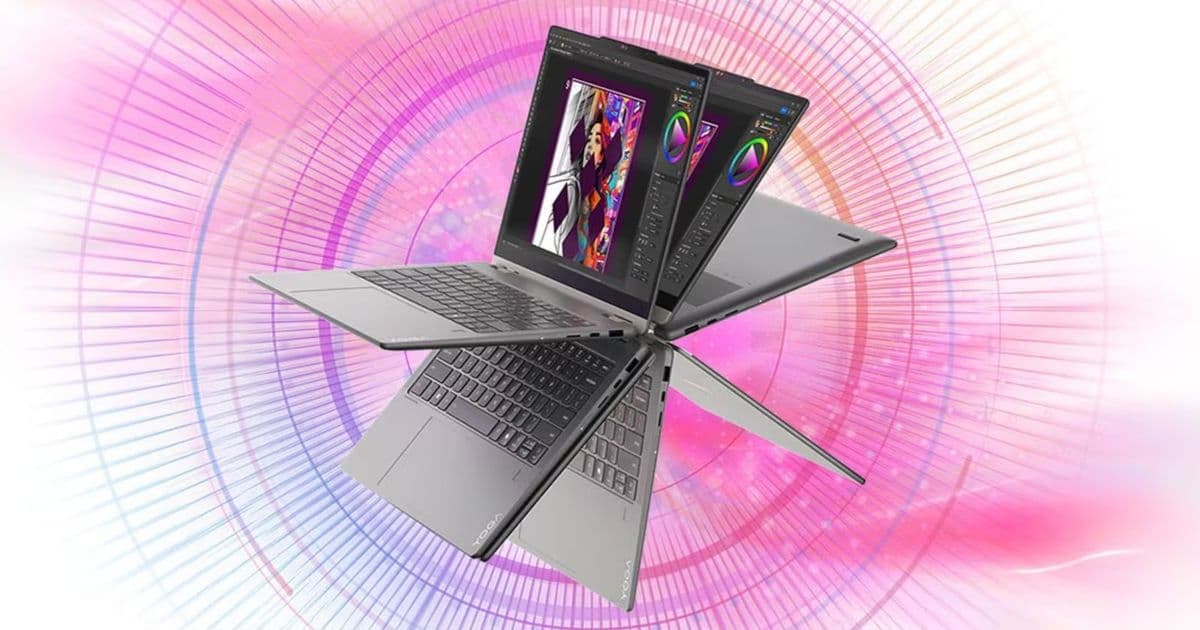
Lenovo's latest Yoga 7i 2-in-1 refresh brings Intel's new Panther Lake architecture, OLED display options up to 120Hz, and a 70Wh battery to its popular convertible lineup, with pricing starting around $1,476.
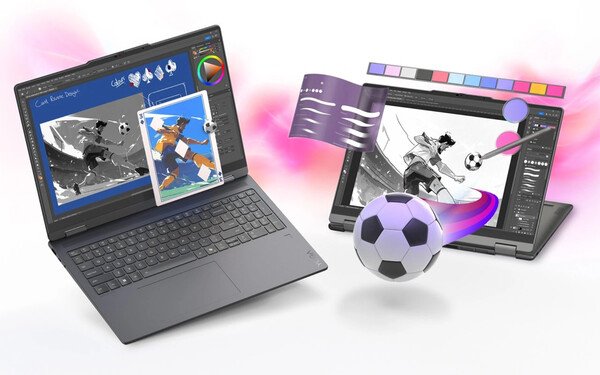
Lenovo has officially released the Yoga 7i 2-in-1 Gen 11 Aura Edition, marking the company's first major 2-in-1 refresh following the smaller Yoga Slim 7i Ultra Aura Edition debut earlier this week. The new convertible laptops arrive in both 14-inch and 16-inch configurations, replacing the outgoing Yoga 7i 2-in-1 Gen 10 models that have been available since 2024.
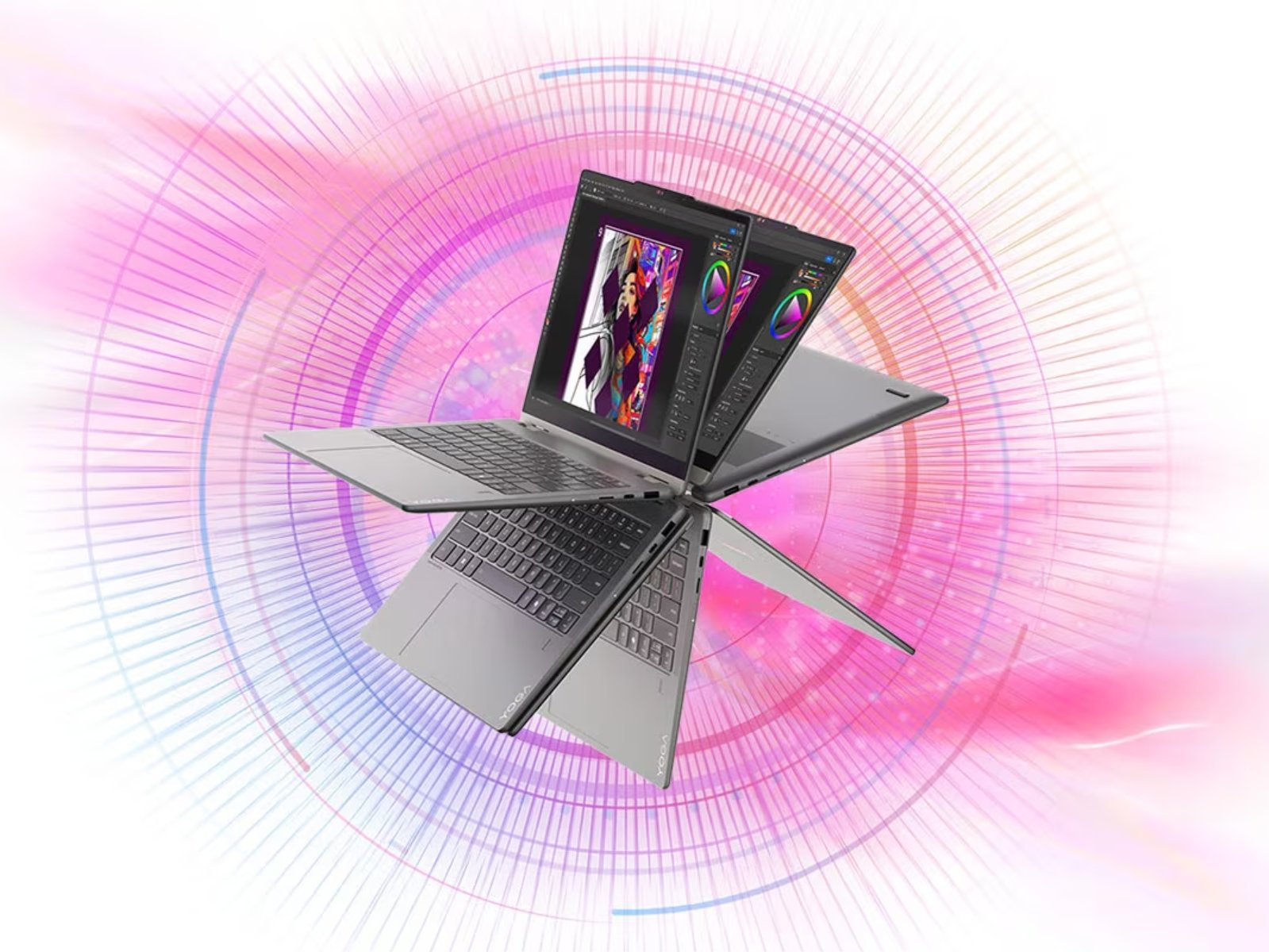
What's New: Panther Lake Architecture and Enhanced Specs
The headline upgrade is Intel's Panther Lake architecture, which Lenovo pairs with up to 32GB of LPDDR5X-7467 RAM and 1TB of NVMe storage. This represents a significant memory bandwidth improvement over the previous generation's LPDDR5X-6400 standard, which should benefit integrated graphics performance and multitasking workflows.
Powering the display is a 70Wh battery, a modest increase from the 65Wh cell in the Gen 10 model. While not revolutionary, this 7.7% capacity bump should translate to roughly 30-45 minutes of additional real-world runtime, assuming similar display and processor efficiency.
The display options deserve particular attention. Both size variants feature 1200p OLED panels with 60Hz refresh rates as the base configuration. However, the 14-inch model offers a premium upgrade to an 1800p OLED display that bumps refresh rate to 120Hz and delivers an impressive 1,100 nits of peak HDR brightness. That brightness figure is notable—most consumer OLED laptops struggle to exceed 600-800 nits, meaning this panel should offer significantly better HDR performance and outdoor visibility.

Display Configuration Breakdown
14-inch Yoga 7i 2-in-1 Gen 11:
- Base: 1920×1200 OLED, 60Hz
- Upgrade: 2880×1800 OLED, 120Hz, 1,100 nits HDR
16-inch Yoga 7i 2-in-1 Gen 11:
- Base: 1920×1200 OLED, 60Hz
- No high-refresh option currently listed
The 16-inch model's lack of a 120Hz upgrade path is curious. This could be due to thermal constraints with the larger chassis or a strategic market segmentation decision. For creative professionals who prioritize smooth canvas rendering in applications like Photoshop or DaVinci Resolve, this limitation might push them toward the 14-inch variant despite the smaller screen.
Pricing and Regional Availability
Lenovo is positioning the Yoga 7i 2-in-1 Gen 11 Aura Edition as a premium mainstream convertible. UK pricing starts at £1,099, which converts to approximately $1,476 USD. In the Eurozone, the 14-inch model starts at €1,369 ($1,595) while the 16-inch variant commands €1,399 ($1,629).
These launch prices are notably higher than the current Gen 10 model's $698 Amazon price point, though that figure likely represents clearance pricing for outgoing inventory. The Gen 11's premium reflects both the new Panther Lake silicon and the enhanced display technology.
Availability begins later this month in the UK and Eurozone. US pricing and release dates haven't been announced yet, though we typically see Lenovo's US launches follow European releases by 2-4 weeks.
How It Compares to the Competition
The Yoga 7i 2-in-1 Gen 11 enters a crowded premium convertible market:
vs. Dell XPS 13 2-in-1: Dell's offering starts at $1,299 but uses Intel Lunar Lake processors and maxes out at 16GB RAM. The Yoga's 32GB option and newer Panther Lake architecture give it an edge for power users, though Dell's build quality and mini-LED display option remain competitive.
vs. HP Spectre x360 14: The Spectre starts at $1,149 with similar specs but offers a 3K2K OLED option at 60Hz. HP's model has better port selection (including a full-size HDMI), but the Yoga's 120Hz upgrade and higher brightness give it a display advantage.
vs. Asus Zenbook Flip 14: Asus offers Ryzen AI 300 series processors at lower price points ($1,099 start), but their OLED panels are limited to 60Hz and 550 nits. The Yoga's Panther Lake NPU should deliver better AI acceleration for Windows Studio Effects and local LLM workloads.
Who Should Buy This Laptop
Creative Professionals: The 14-inch 120Hz OLED option is ideal for photo editors and video creators who need smooth viewport rendering and accurate color. The 32GB RAM ceiling is sufficient for 4K video editing in proxies or moderate After Effects work.
Business Users: The 2-in-1 form factor with pen support makes this excellent for presentations and digital note-taking. The 70Wh battery should deliver a full workday for office tasks, though heavy multitasking with the high-brightness display will reduce that.
Students: The 14-inch model's portability combined with the 2-in-1 versatility is perfect for campus life. However, the premium pricing may push budget-conscious buyers toward the base 60Hz display or older Gen 10 models.
What to Consider Before Buying:
- The 16-inch model lacks the 120Hz display upgrade
- No discrete GPU option means limited gaming performance
- LPDDR5X RAM is soldered, so buy the capacity you need upfront
- Panther Lake is new architecture—wait for reviews to confirm real-world performance and battery life
The Bottom Line
The Yoga 7i 2-in-1 Gen 11 Aura Edition represents a thoughtful evolution rather than a complete reinvention. Lenovo focused on meaningful upgrades where they matter most: newer processor architecture, faster memory, and genuinely better display technology. The 120Hz OLED option with 1,100 nits brightness is the standout feature that could justify the premium pricing for users who value display quality.
However, the lack of a 120Hz option on the 16-inch model and the absence of discrete graphics will keep this from being a true mobile workstation replacement. It's best viewed as a premium productivity and creative consumption device rather than a heavy-duty content creation machine.
For current Gen 10 owners, the upgrade isn't urgent unless you specifically need Panther Lake's AI capabilities or the enhanced display. For buyers coming from older hardware or switching from clamshell laptops, this represents a solid entry point into premium 2-in-1 territory with modern specs that should remain relevant for 3-4 years.
Sources: Currys UK, Lenovo Germany, Lenovo UK
Comments
Please log in or register to join the discussion