The Linux kernel has removed the long-broken i82443bxgx EDAC driver for Intel 440BX/440GX chipsets, along with the obsolete r82600 driver, while adding support for newer Intel platforms.
After nearly two decades of being marked as broken, the Linux kernel has finally removed the i82443bxgx EDAC driver for Intel 440BX and 440GX chipsets. This cleanup comes with the Linux 7.0 kernel release, representing some long-overdue housekeeping in the kernel's driver ecosystem.
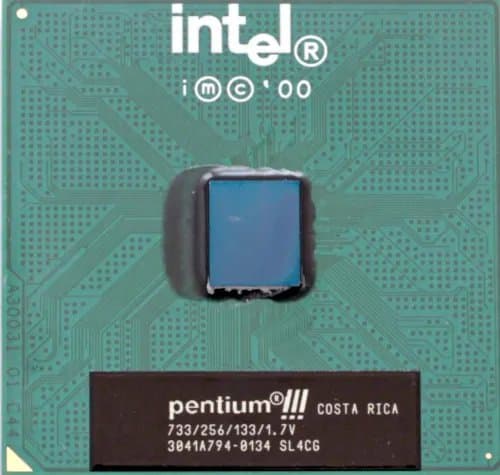
The Intel 440BX and 440GX chipsets were prominent in the late 1990s, powering Slot 1 and Socket 370 systems with Pentium II and Pentium III processors. These chipsets represented a significant era in PC hardware, but like all technology from that period, they've long since been superseded by more advanced architectures.
The driver's removal is particularly noteworthy because it had been marked as broken since 2007 - a staggering 19 years ago. The original issue stemmed from conflicts with the Intel AGP driver, where the EDAC driver would claim PCI devices that intel_agp.ko needed. Despite being flagged as broken for nearly two decades, no fix was ever implemented.
As the commit message notes, the driver's removal drops nearly 500 lines of code from the kernel tree. This might seem like a small amount, but every line of obsolete code removed represents reduced maintenance burden and potential security surface area.

The cleanup didn't stop with just the 440BX driver. The r82600 driver, which supported the Radisys 82600 embedded chipset used with Pentium III-era processors, was also removed. Unlike the 440BX driver, the r82600 driver wasn't technically broken - it was simply obsolete. The likelihood of anyone running modern Linux kernels on systems using these ancient chipsets is extraordinarily low.
While removing old drivers, the EDAC pull request also added support for newer Intel platforms. The igen6_edac driver now supports Intel Amston Lake and Intel Panther Lake H platforms, ensuring that modern systems continue to receive memory error detection and correction capabilities.
This kind of cleanup is essential for kernel maintenance. As Linux kernel maintainer Greg Kroah-Hartman has often emphasized, removing obsolete code is just as important as adding new features. It reduces the kernel's attack surface, simplifies maintenance, and ensures that developers aren't wasting time supporting hardware that virtually no one uses anymore.
The 19-year gap between marking the driver as broken and actually removing it highlights the conservative nature of kernel development. The Linux kernel community prefers to maintain compatibility and avoid breaking changes whenever possible, even when dealing with ancient hardware. However, with Linux 7.0, the community has finally drawn the line on this particular piece of computing history.
For enthusiasts who might still have vintage Pentium II or Pentium III systems gathering dust, this change means those systems can no longer run the latest Linux kernels without modifications. However, given that these systems would struggle to run modern software even if the driver were present, this limitation is largely academic.
The removal of these drivers represents a small but significant step in the ongoing evolution of the Linux kernel. As the kernel continues to grow and support newer hardware, periodic cleanups like this ensure that it remains maintainable and focused on current and future computing needs rather than being weighed down by decades-old compatibility code.
Comments
Please log in or register to join the discussion