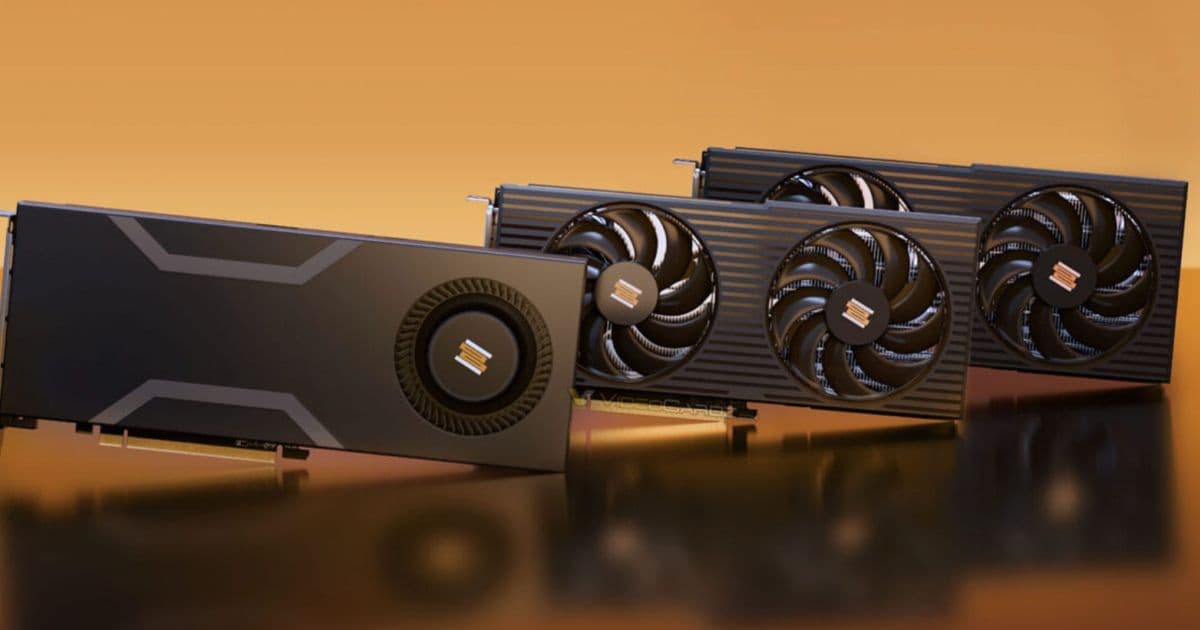
Lisuan Tech updates its LX GPU product pages with detailed specs for gaming, workstation, and server models, confirming the LX 7G100 gaming card's triple-fan design and revealing professional features like 16-way virtualization and ECC memory.
Lisuan Tech has updated its official product pages with detailed specifications for its new LX GPU lineup, revealing design details for the upcoming LX 7G100 gaming card while expanding professional offerings with server-specific features.
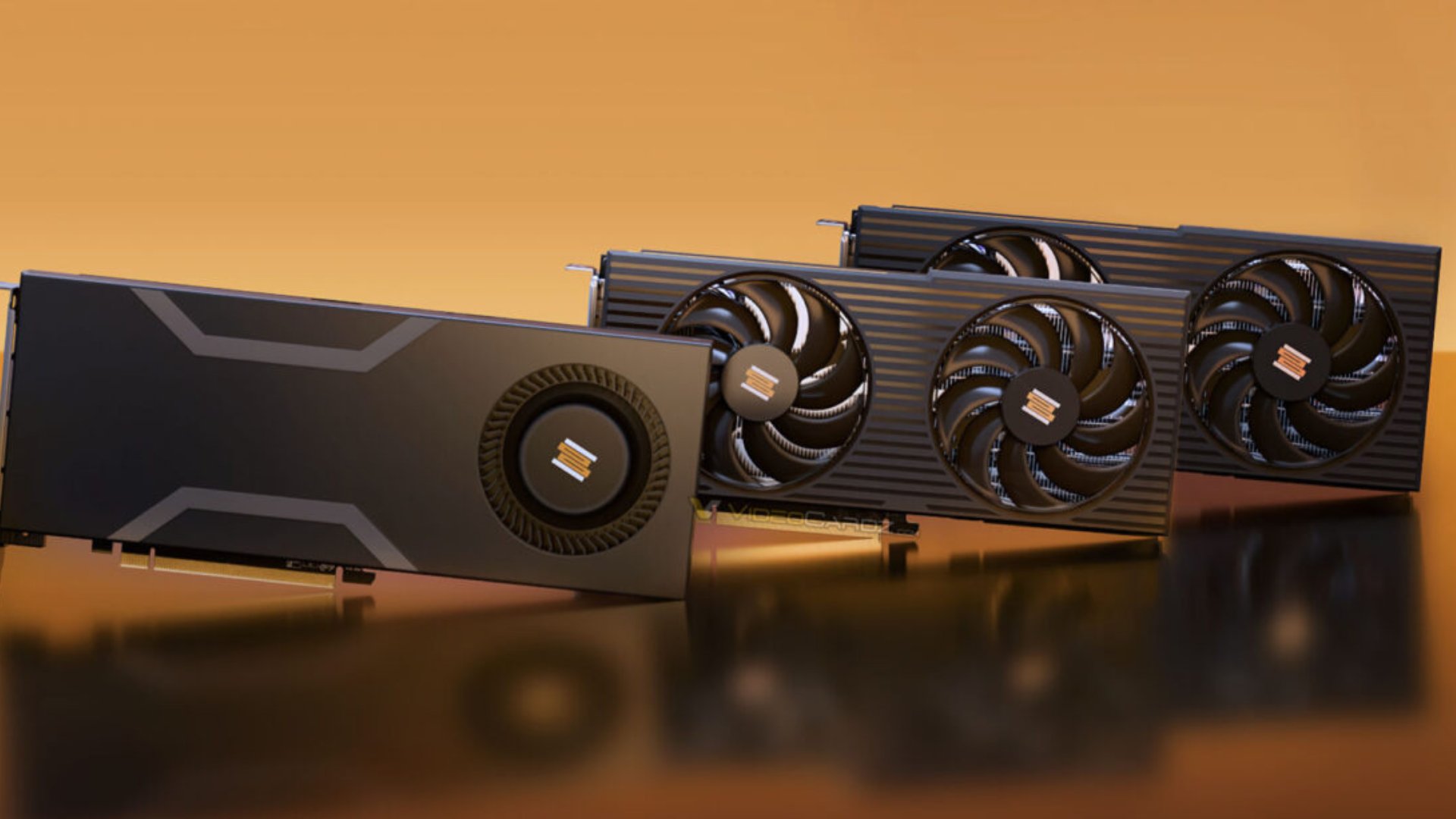
The Chinese GPU manufacturer has consolidated its product branding under the LX umbrella, retiring the older 7G105 designation. The lineup now includes four distinct models: the LX 7G100 gaming card, and three professional variants - LX Ultra, LX Pro, and LX Max.
LX Ultra Targets Server Market
The LX Ultra represents Lisuan's most server-oriented offering, featuring specifications tailored for data center deployments. The card includes 24GB of GDDR6 memory with ECC support, addressing the reliability requirements of enterprise environments. Key server features include 16-way virtual GPU support, confidential computing protection, data encryption, and secure display capabilities - specifications that weren't previously disclosed.
Performance metrics for the LX Ultra include a pixel fill rate of up to 192 GP/s, texture fill rate of up to 384 GT/s, and FP32 throughput of up to 24 TFLOPS. The card uses a blower-style cooler design optimized for server rack deployments and carries no listed display outputs, emphasizing its data center focus.
Video codec support differs from workstation models, with the LX Ultra offering 16x 1080p60 decode and 8x 1080p60 encode capabilities, compared to HEVC 8K60 decode and HEVC 8K30 encode on the workstation-class and gaming models.
Workstation Models Share Core Features
The LX Pro and LX Max share similar feature sets, both including four DisplayPort 1.4a outputs with 8K60 HDR support, FreeSync compatibility, and Display Stream Compression (DSC). Both support HEVC 8K video codec figures and maintain API compatibility with DirectX 12, Vulkan 1.3, OpenGL 4.6, and OpenCL 3.0.
The LX Pro ships with 24GB of GDDR6 memory and targets workstation tower deployments, while the LX Max steps down to 12GB for general workstation use. Both models employ axial cooling designs suitable for desktop environments.
Gaming Card Design Confirmed
The LX 7G100 gaming card's specifications have been confirmed with 12GB of GDDR6 memory, 192 texture mapping units (TMUs), and 96 render output units (ROPs). The card supports PCIe 4.0 x16 and features a 225W board power design through a single 8-pin connector.
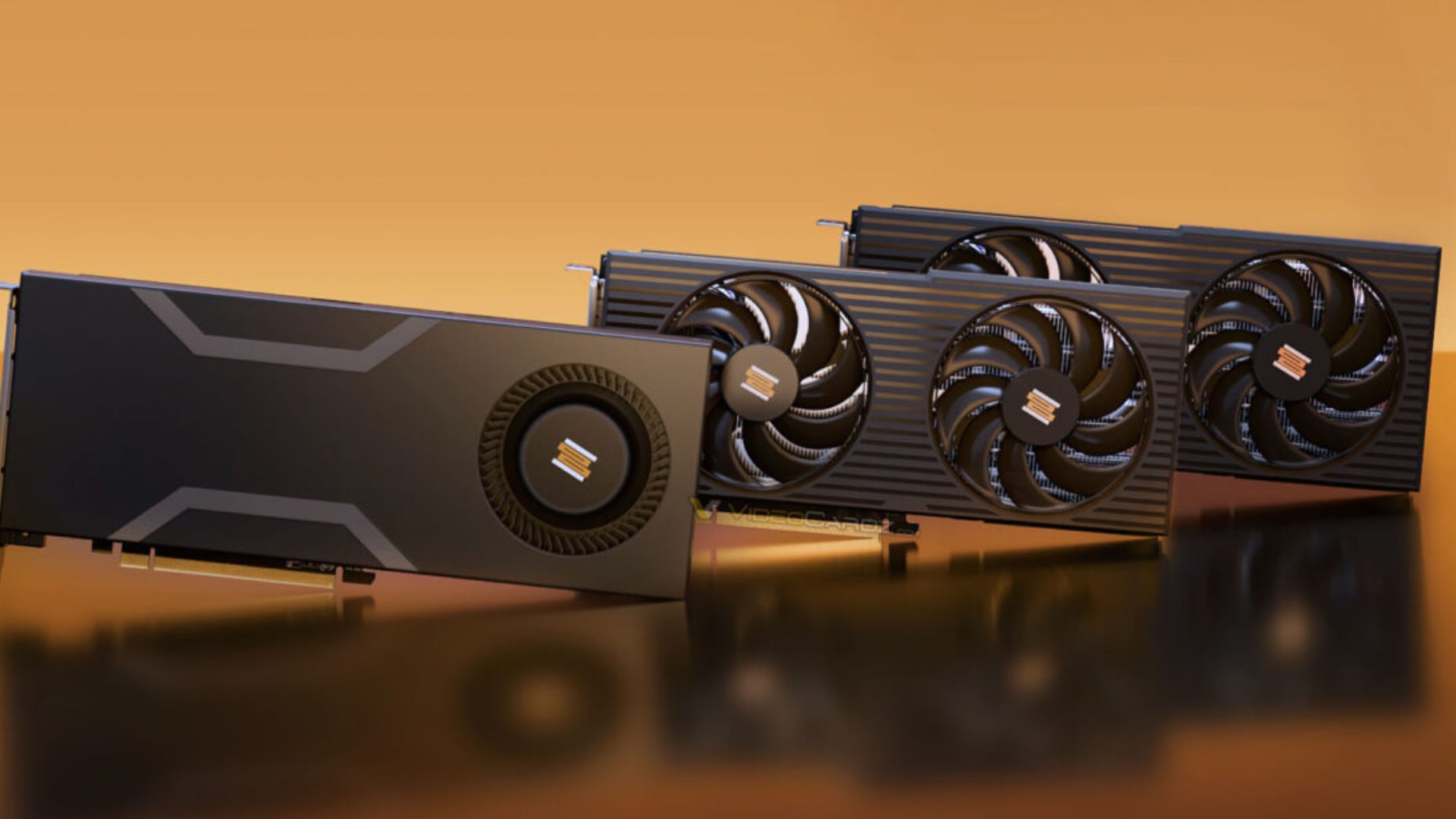
New product renders have resolved earlier ambiguity about the gaming card's cooling solution, confirming a triple-fan design where two fans are partially concealed under the shroud. This differs from the blower-style cooler used on the LX Ultra. The gaming card offers four DisplayPort 1.4a outputs but notably lacks HDMI connectivity.
Missing Specifications and Launch Timeline
Despite the detailed updates, Lisuan has not published clock speeds, memory bus widths, board power figures, or GPU die configurations for any of the LX professional cards. This information gap remains a notable omission for potential customers evaluating these products.
Pre-orders for the LX 7G100 gaming card open on March 17, with a retail launch scheduled for June 18 in China. The staggered timeline suggests Lisuan is managing production ramp-up and distribution planning carefully.
Market Context
The expanded LX lineup represents Lisuan's push into multiple GPU market segments, from gaming to professional visualization to server virtualization. The inclusion of features like 16-way virtualization and confidential computing protection positions Lisuan to compete in the growing demand for GPU-accelerated cloud computing and AI workloads.
The consolidation under a single LX branding suggests Lisuan is building a coherent product ecosystem rather than maintaining separate product lines. This approach could simplify marketing and development while allowing for shared architectural elements across the lineup.
For the Chinese GPU market, Lisuan's expansion comes amid increasing domestic demand for alternatives to Western GPU suppliers, driven by both technological nationalism and supply chain considerations. The company's ability to deliver across gaming, professional, and server segments will test its manufacturing and software ecosystem development capabilities.
The detailed specifications and design confirmations mark a significant step in Lisuan's product transparency, though the absence of certain technical details leaves questions about the underlying GPU architecture and performance positioning relative to established competitors.
Comments
Please log in or register to join the discussion