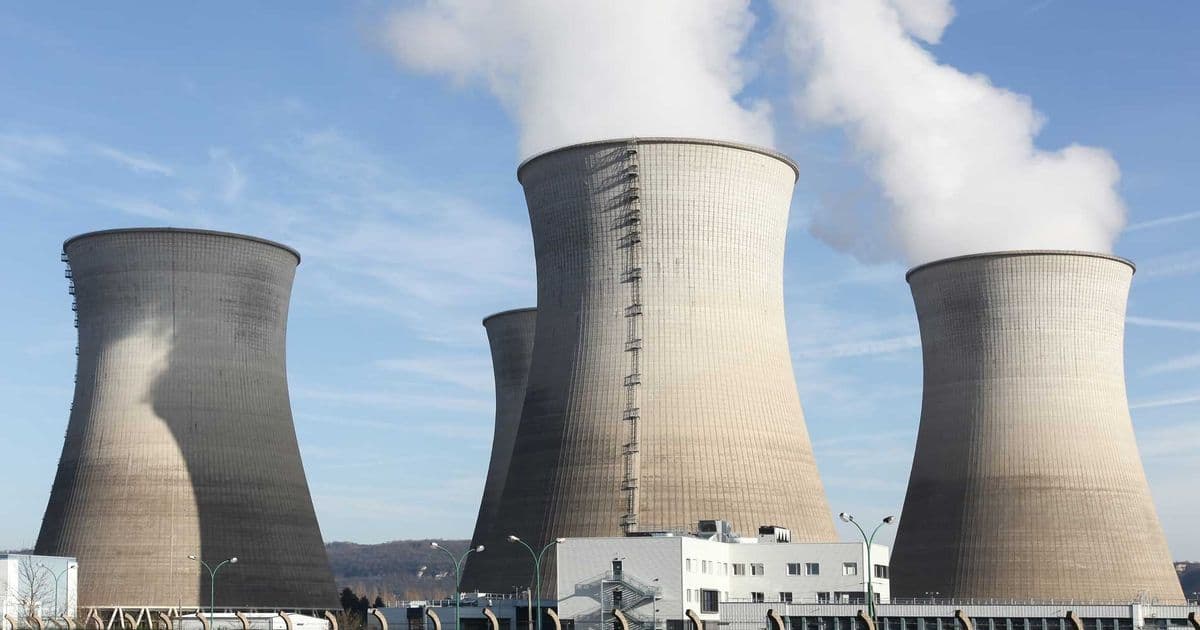
Meta has signed multi-year agreements with three nuclear energy providers to secure future electricity for its expanding datacenters, though the new capacity won't come online until the early 2030s.
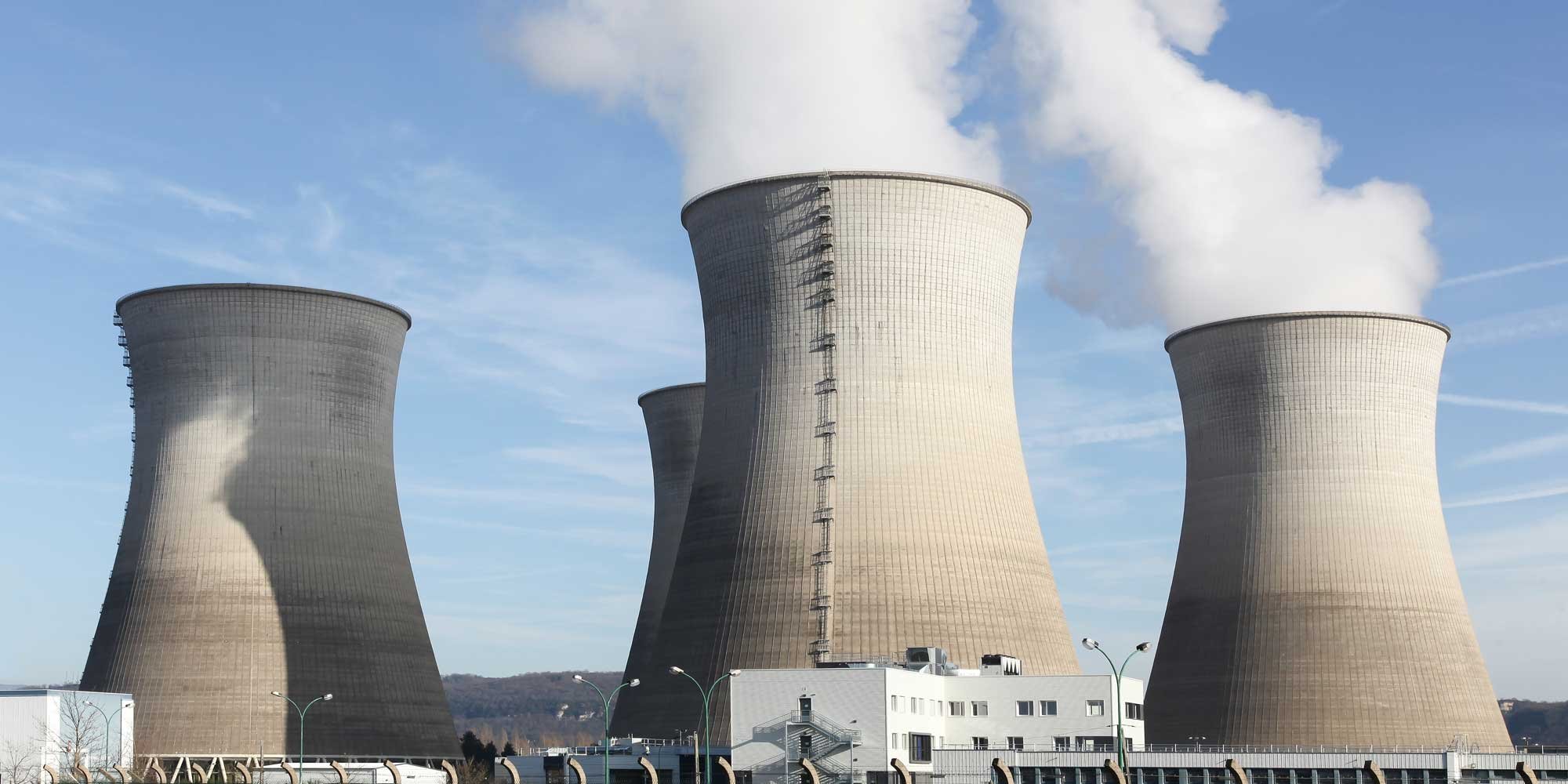
Meta has entered long-term power purchase agreements with nuclear energy developers TerraPower, Oklo, and utility operator Vistra to secure electricity for its growing datacenter operations. While framed as part of Meta's clean energy strategy, these deals highlight the tech giant's struggle to find sufficient power for its artificial intelligence infrastructure amid rising energy demands.
The agreements secure rights to grid power rather than direct connections to Meta facilities. Combined with a previous deal with Constellation Energy, Meta claims this makes it one of America's largest corporate buyers of nuclear energy, totaling 6.6 gigawatts. However, this capacity won't materialize until at least 2030:
- Oklo's Ohio facility (up to 1.2 GW) features reactor designs resembling modern architecture and may come online around 2030
- TerraPower's Natrium reactors use sodium-cooled technology paired with molten salt storage, with first units expected by 2032
- Vistra's existing plants will provide 2.1 GW from Ohio and Pennsylvania facilities through power uprates by early 2030s
This timeline creates a significant energy gap. Meta's current datacenters remain heavily dependent on fossil fuels, including its under-construction $10B Louisiana facility that will run on natural gas until nuclear power becomes available.
The nuclear investments respond to Meta's 2025 projection that it would need an additional 1-4 gigawatts for future operations. While positioning the company as a clean energy leader, the decade-long wait for new nuclear capacity underscores fundamental challenges in powering AI infrastructure:
- Energy Scaling Limitations: Current renewable sources can't meet hyperscale datacenters' 24/7 power demands
- Regulatory Hurdles: Nuclear projects face extensive safety reviews and licensing processes
- Infrastructure Delays: New reactor technologies require years for fuel sourcing and construction
Meta declined to disclose financial terms, raising questions about cost distribution across ratepayers and shareholders. The deals illustrate how tech giants are reshaping energy markets through long-term contracts, effectively becoming utility-scale power brokers.
As AI workloads escalate, Meta's nuclear gambit reveals the industry's fundamental constraint: computational growth is outpacing clean energy deployment. Until new capacity arrives, fossil fuels will remain the bridge powering users' social feeds and AI interactions.
Comments
Please log in or register to join the discussion