
Meta is cutting more than 1,000 jobs from its Reality Labs division and redirecting resources toward wearables development, signaling a strategic retreat from its metaverse-first approach.
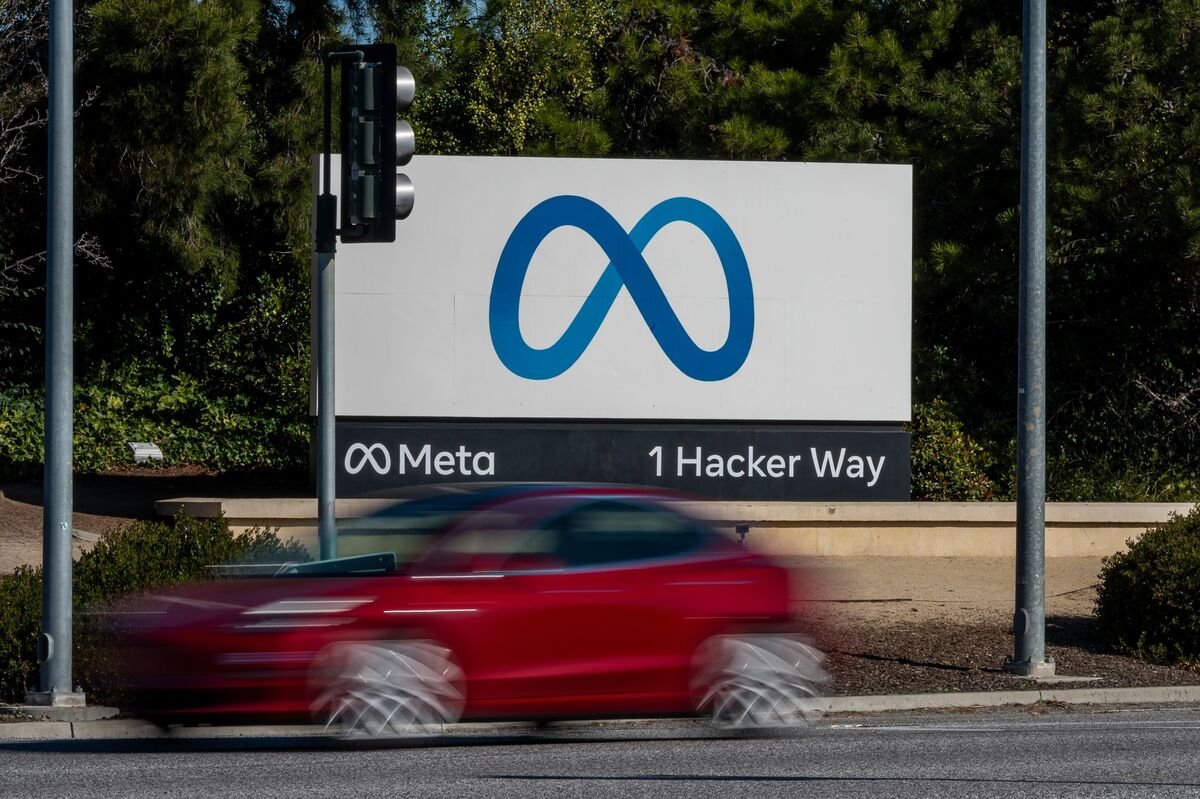
Meta confirmed plans to eliminate over 1,000 positions within its Reality Labs division this week, with affected employees receiving notifications starting Tuesday. Chief Technology Officer Andrew Bosworth stated the company would "reinvest the savings" into wearables development, marking a significant strategic shift away from the metaverse-first approach that previously defined the division.
The move follows Meta's $36 billion investment in Reality Labs since 2020, which yielded products like the Quest VR headset series but failed to achieve mainstream adoption for its metaverse vision. Internal metrics reportedly showed declining user engagement in Horizon Worlds, while hardware sales plateaued amid growing competition from Apple's Vision Pro and ByteDance's Pico headsets.
Technical Reorientation
What distinguishes this restructuring is its explicit hardware focus:
- Resources shifting to neural interface research (EMG wristbands)
- Development of next-generation Ray-Ban smart glasses with display capabilities
- Reduced investment in social VR environments and digital avatar systems
Bosworth's internal memo cited "hardware validation cycles" as a primary challenge, referencing manufacturing delays that plagued Project Nazare (canceled AR glasses). The division's operating loss reached $4.65 billion last quarter, prompting pressure from investors including Altimeter Capital to streamline operations.
Market Realities
Industry analysts note fundamental obstacles:
- Optical waveguide technology remains insufficient for consumer AR glasses
- Battery limitations constrain wearable device functionality
- Existing neural interfaces require extensive calibration with limited real-world utility
Meta's wearables pivot enters a crowded market where Apple, Samsung, and startups like Humane compete for wrist and face real estate. The restructured team inherits projects including a neural-controlled watch for 2027 and third-generation smart glasses scheduled for late 2026.
Contextual Signals
This downsizing coincides with:
- Apple's partnership with Google to power Siri with Gemini AI
- Microsoft's commitment to self-fund data center power consumption
- Anthropic's release of enterprise-focused Claude Cowork agents
These developments collectively suggest industry consolidation around practical applications over speculative platforms. Meta's retrenchment reflects recognition that wearables offer nearer-term monetization than immersive virtual worlds, though technical hurdles remain substantial. The restructured Reality Labs now faces pressure to deliver commercially viable hardware within 24 months to justify its continued existence.
Comments
Please log in or register to join the discussion