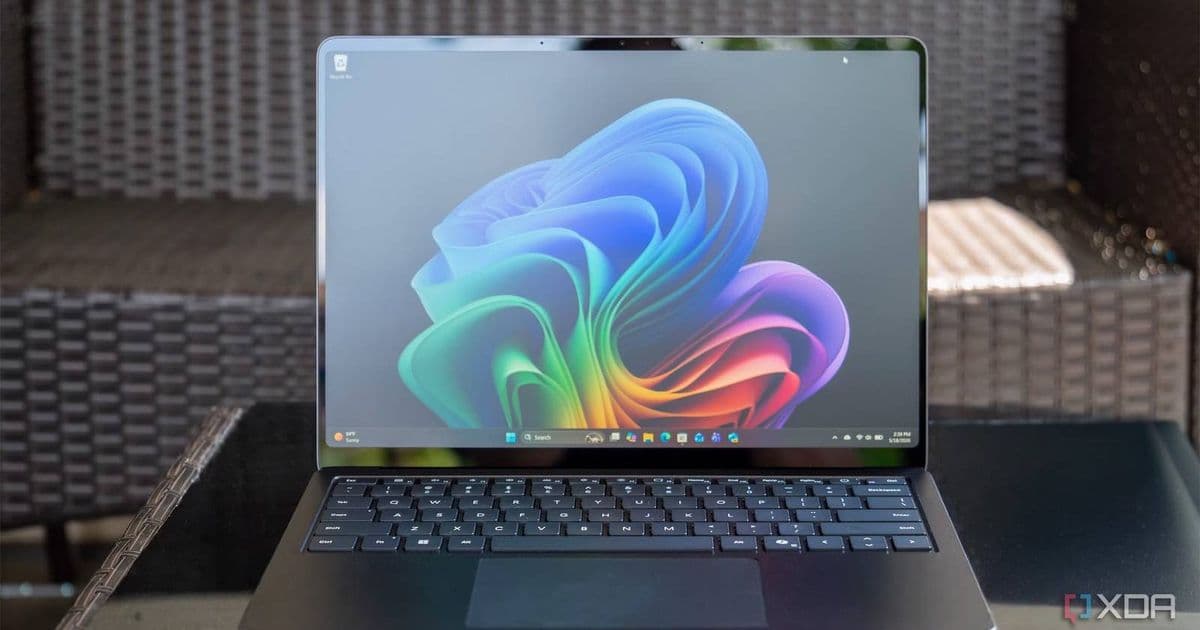
Microsoft and Nvidia hint at a next‑gen Surface lineup powered by the RTX 4090 Mobile GPU and Windows 12, promising tighter integration between hardware, AI features, and the broader Microsoft ecosystem.
Microsoft and Nvidia tease “a new era of PC” as a potential Surface refresh looms
By Patrick O'Rourke – Published May 29, 2026, 4:05 PM EDT
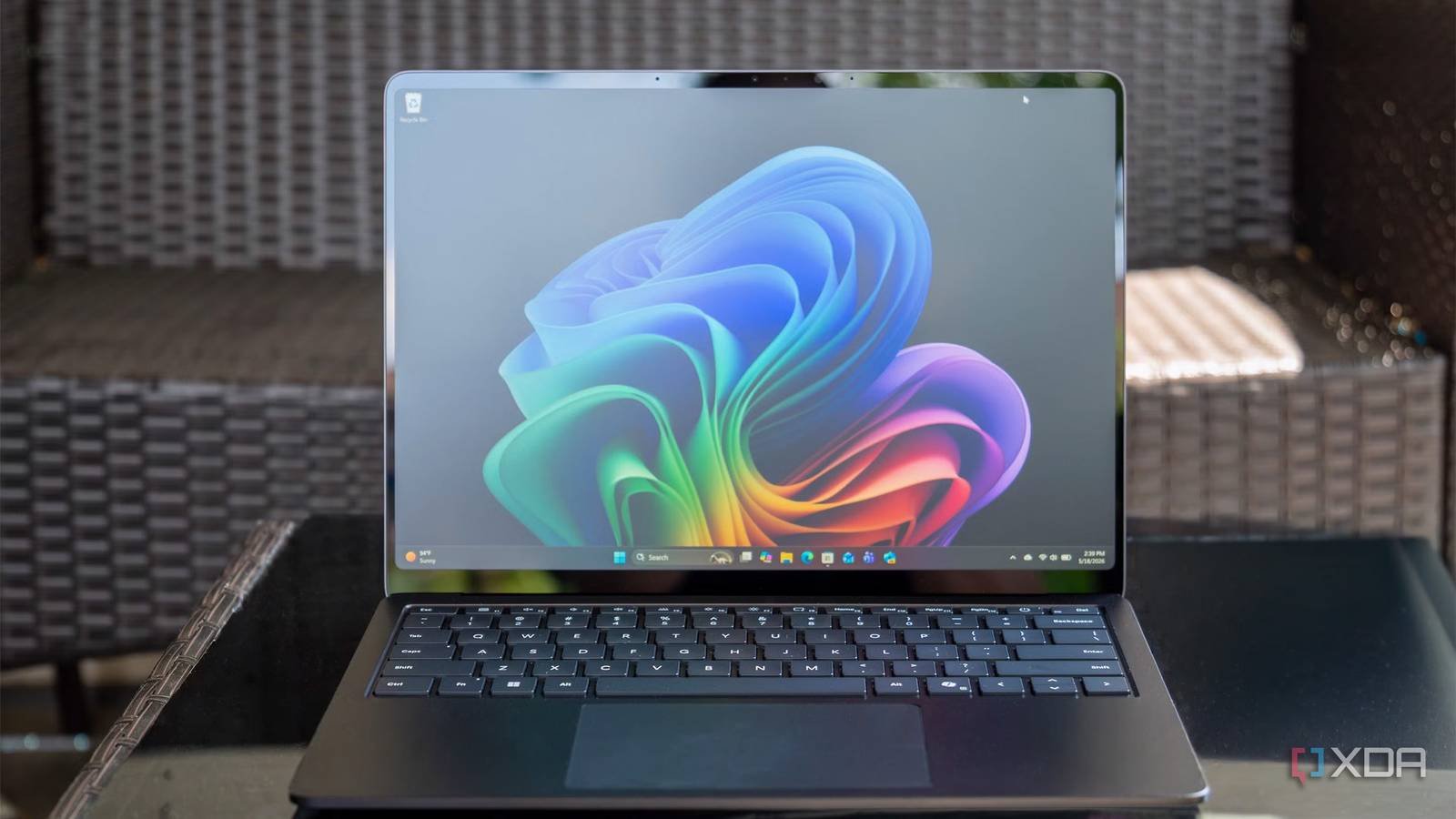
Microsoft’s latest developer conference revealed a partnership with Nvidia that could reshape the premium Windows laptop market. While no official product has been unveiled, the two companies dropped enough technical detail to let enthusiasts sketch out what a refreshed Surface line might look like.
Key hardware clues
| Spec | Expected Detail |
|---|---|
| GPU | Nvidia RTX 4090 Mobile (Ada‑Lovelace architecture) with 16 GB GDDR6. This is the same silicon that powers the 2025 Surface Studio Pro, but now scaled for a thinner chassis. |
| CPU | 13th‑gen Intel Core i9‑13980HX or AMD Ryzen 9 7950HS – Microsoft hinted at a “dual‑silicon” option, meaning future models could let users pick between Intel and AMD while still getting the Nvidia GPU. |
| Display | 14.5‑inch PixelSense Flow panel, 120 Hz refresh, 3,000 nits peak brightness, and a 240 Hz touch‑sampling rate. The panel supports Dolby Vision HDR and a new “AI‑enhanced contrast” mode that leverages the RTX Tensor cores. |
| Memory | 32 GB LPDDR5X, expandable to 64 GB via a proprietary slot that retains the classic Surface “thin‑and‑light” aesthetic. |
| Storage | Up to 4 TB NVMe PCIe 4.0 SSD, with a hardware‑encrypted TCG‑Opal module built into the motherboard. |
| Battery | 80 Wh graphene‑based cell, promising up to 14 hours of mixed‑use on a single charge and fast‑charge to 80 % in 30 minutes. |
| Ports | Two Thunderbolt 4 (USB‑C) ports, one USB‑A 3.2 Gen 2, a full‑size HDMI 2.1, and a Surface Connect port that now carries power, display, and Ethernet over a single cable. |
| Audio | Quad‑speaker Dolby Atmos system with a dedicated AI‑noise‑cancellation mic array. |
| Security | Integrated TPM 2.2, Windows Hello IR camera, and a new “Secure Enclave” that isolates the GPU driver stack from the OS kernel. |
These specs line up with the performance envelope needed to run AI‑heavy workloads—think real‑time video upscaling, on‑device Stable Diffusion, and complex data‑visualisation—without sacrificing the ultra‑portable feel that defines the Surface brand.
The software side: Windows 12 and the AI layer
Microsoft confirmed that the next OS, Windows 12, will ship with a native Nvidia AI Runtime. This runtime exposes the RTX Tensor cores to any app through a set of high‑level APIs, similar to how DirectML works today but with lower latency and better power management. Developers can call functions like NvAIUpscale() to double the resolution of a video stream in real time, or NvAIPrompt() to generate text‑to‑image content directly on the device.
Windows 12 also introduces “Continuity Hub”, a cross‑device clipboard and session manager that syncs not just files but active GPU contexts. Open a Photoshop session on a Surface Laptop, walk over to a Surface Studio, and the AI‑accelerated layers appear instantly, thanks to the shared RTX driver state stored in the cloud‑backed Microsoft account.
Ecosystem lock‑in considerations
The partnership deepens the Microsoft‑Nvidia ecosystem in three ways:
- Unified driver updates – Surface devices will receive a single combined Windows 12 + Nvidia driver package, reducing the classic “driver hell” that many Windows users experience. However, it also means that Surface owners become dependent on Microsoft’s update cadence; a missed patch could affect GPU performance across the entire device line.
- AI‑first services – Microsoft’s upcoming Copilot Studio will run locally on the RTX 4090 Mobile, offering offline AI assistance for Office, Edge, and third‑party apps. While this improves privacy, it also nudges users toward Microsoft‑branded software to get the full benefit of the hardware.
- Surface Connect 2.0 – The revamped connector now carries a secure, encrypted tunnel for GPU‑accelerated streaming to external monitors or docking stations. Third‑party docks that don’t support the protocol will lose out on the AI‑enhanced display modes, effectively steering accessory purchases toward Microsoft‑approved hardware.
For power users who already rely on the Windows ecosystem, these moves tighten the value proposition of staying within Microsoft’s hardware family. For Android or macOS enthusiasts, the barrier to entry rises, as the unique AI capabilities are locked behind a Windows‑only stack.
What this means for the Surface line
If the rumors hold, the next Surface refresh could arrive in Q4 2026 as the Surface Laptop 8 and Surface Pro 10. Both would ship with the RTX 4090 Mobile, making them the most graphics‑capable Windows notebooks on the market. The combination of a high‑refresh PixelSense Flow display and on‑device AI acceleration positions the devices as a direct competitor to Apple’s MacBook Pro M3 Max and high‑end Dell XPS models.
The trade‑off is price: early estimates put the base configuration at $2,299, with the fully specced 64 GB/4 TB variant topping $3,500. That price point is comparable to a fully loaded gaming laptop, but the Surface’s premium build quality, detachable keyboard, and integrated stylus support keep it in a different market segment.
Bottom line
Microsoft’s tease of a “new era of PC” signals a clear intent to marry high‑end Nvidia GPU power with the sleek, productivity‑focused design of the Surface family. The hardware specs suggest a device capable of handling demanding AI workloads while still fitting in a backpack, and Windows 12’s AI runtime will make that power accessible to everyday apps.
The ecosystem implications are mixed. Users who embrace the Microsoft‑Nvidia stack will benefit from tighter integration, faster updates, and on‑device AI privacy. Those who prefer a more open or cross‑platform setup may find the lock‑in less appealing.
If you’re in the market for a laptop that can both run intensive creative software and serve as a portable AI workstation, keep an eye on the upcoming Surface announcements. The hardware details are still tentative, but the direction is unmistakable: Microsoft is positioning the Surface as the flagship Windows device for the AI‑first era.
Comments
Please log in or register to join the discussion