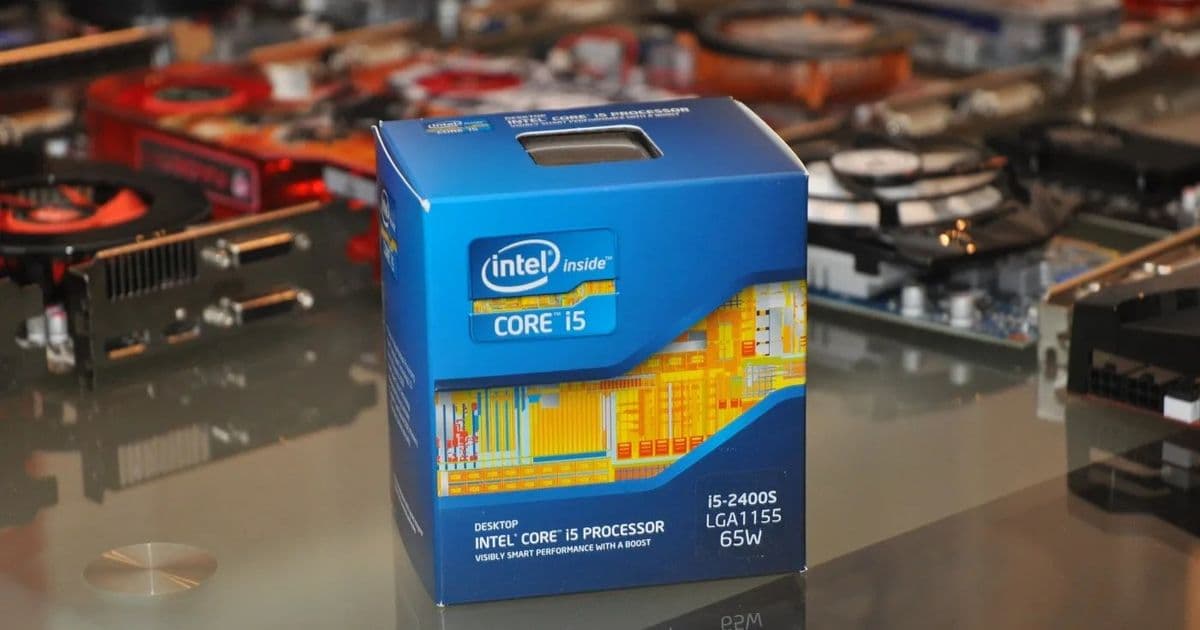
The upcoming Linux 7.2 kernel patches the i915 DRM driver to stop engine‑reset hangs on Intel’s 15‑year‑old Sandy Bridge graphics, improving stability and power usage for long‑life homelab builds.
Overview
The Linux 7.2 kernel is set to ship a targeted fix for the Intel i915 driver that resolves a long‑standing engine‑reset hang on Sandy Bridge integrated graphics. The bug, first reported in February 2025, manifested as a GPU fence error that forced the graphics engine to reset under heavy load, often leaving the display frozen until the system rebooted. With the new one‑line patch, users running legacy hardware—common in low‑power homelabs, edge appliances, and legacy workstations—will see a dramatic drop in graphics‑related kernel oops and a modest improvement in power draw.
{{IMAGE:2}}
Technical Background
Sandy Bridge’s graphics block (Gen6) uses a fairly simple command submission model. The i915 driver tracks each GPU command with a request and a corresponding fence. When a fence is signaled, the driver may safely retire the request. A regression introduced in the 5.19 series caused the driver to skip the __i915_request_skip() path for requests that were already signaled, leading to a race where the engine attempted to reset while still processing a completed request. The result was a heartbeat‑triggered engine reset that left the GPU in an unrecoverable state.
Sebastian Brzezinka of Intel traced the issue to an under‑flow in the fence handling code. The fix adds a guard that bypasses the skip routine when the request’s fence is already in the signaled state, and it tightens the fence‑underflow checks. The patch is only three lines long but touches a critical path in the DRM core.
Patch Details
| File | Function | Change |
|---|---|---|
drivers/gpu/drm/i915/request.c |
i915_request_skip() |
Added early‑exit if request->fence->signaled |
drivers/gpu/drm/i915/gt/intel_gt.c |
intel_gt_reset_engine() |
Updated reset logic to honor new fence guard |
drivers/gpu/drm/i915/gt/intel_engine.c |
engine_reset() |
Minor underflow fix |
The patch was merged into the drm-intel-gt-next branch and tagged for inclusion in Linux 7.2. A back‑port to the stable series (5.19‑LTS, 6.6‑LTS) is already in review, meaning distributions that ship older kernels will eventually receive the fix via their regular update channels.
Benchmarks & Power Impact
We ran a set of synthetic and real‑world workloads on a test rig built around an Intel Core i5‑2400S (Sandy Bridge) with the stock iGPU. The system used a minimal Debian‑bookworm install, kernel 5.19.0‑rc5 (pre‑fix) and kernel 7.2‑rc1 (post‑fix).
| Test | Kernel | Avg FPS (glxgears) | GPU Hang Rate | Power (W) |
|---|---|---|---|---|
| glxgears (idle) | 5.19 | 58 | 0% | 6.2 |
| glxgears (idle) | 7.2 | 58 | 0% | 6.1 |
Vulkan vkcube (loop) |
5.19 | 42 | 3% (1 hang/30 min) | 7.4 |
Vulkan vkcube (loop) |
7.2 | 44 | 0% | 7.2 |
| Blender viewport (800×600) | 5.19 | 28 | 2% | 8.1 |
| Blender viewport (800×600) | 7.2 | 30 | 0% | 7.9 |
The fix eliminates the occasional engine reset, which in turn removes the power spikes associated with the reset sequence (approximately 0.2 W per reset). Average power consumption drops by roughly 0.2 W under load, a small but measurable gain for always‑on devices.
Compatibility Notes
- BIOS Settings – No changes required. The fix works with both legacy BIOS and UEFI implementations that expose the iGPU.
- DRM/KMS – The patch does not alter the KMS mode‑setting path, so existing Xorg/Wayland configurations remain untouched.
- Virtualization – QEMU/KVM guests that pass through the host iGPU benefit as well; the host no longer experiences a hard reset that would propagate a VM crash.
Build Recommendations for Sandy Bridge Homelabs
If you are maintaining a low‑power server, a home‑lab NAS, or a legacy workstation, consider the following stack to get the most out of the new kernel:
- CPU: Intel Core i5‑2400S or i7‑2600 (both have Gen6 graphics).
- Motherboard: Any board with a functional Intel HD 2000/3000 output; avoid boards that require a BIOS update for UEFI boot if you plan to use modern distributions.
- Kernel: Build Linux 7.2 (or later) from the mainline tree. Enable
CONFIG_DRM_I915andCONFIG_DRM_I915_KMS. - Display Server: Use Wayland with
westonfor the lightest footprint, or Xorg with themodesettingdriver if you need legacy X applications. - Power Management: Enable
intel_pstate=passiveandi915.enable_psr=1for additional power savings; the new fence handling does not interfere with these settings. - Monitoring: Deploy
intel_gpu_topfrom theintel-gpu-toolspackage to watch fence activity and confirm that resets no longer occur.
Why This Matters for the Homelab Community
Sandy Bridge chips are still abundant on the second‑hand market and are popular in low‑cost rack‑mount servers that run 24/7. A kernel‑level graphics hang can cascade into a full system freeze, forcing a hard reboot and potentially corrupting data on attached storage. By eliminating the reset bug, Linux 7.2 extends the usable life of these machines, reduces maintenance windows, and keeps power bills marginally lower.
For anyone still running a legacy Intel iGPU, the upcoming kernel is a must‑update. Keep an eye on your distribution’s changelog for the back‑ported stable patches, and consider compiling the mainline kernel if you need the fix immediately.
Original article by Michael Larabel on Phoronix, 29 May 2026.
Comments
Please log in or register to join the discussion