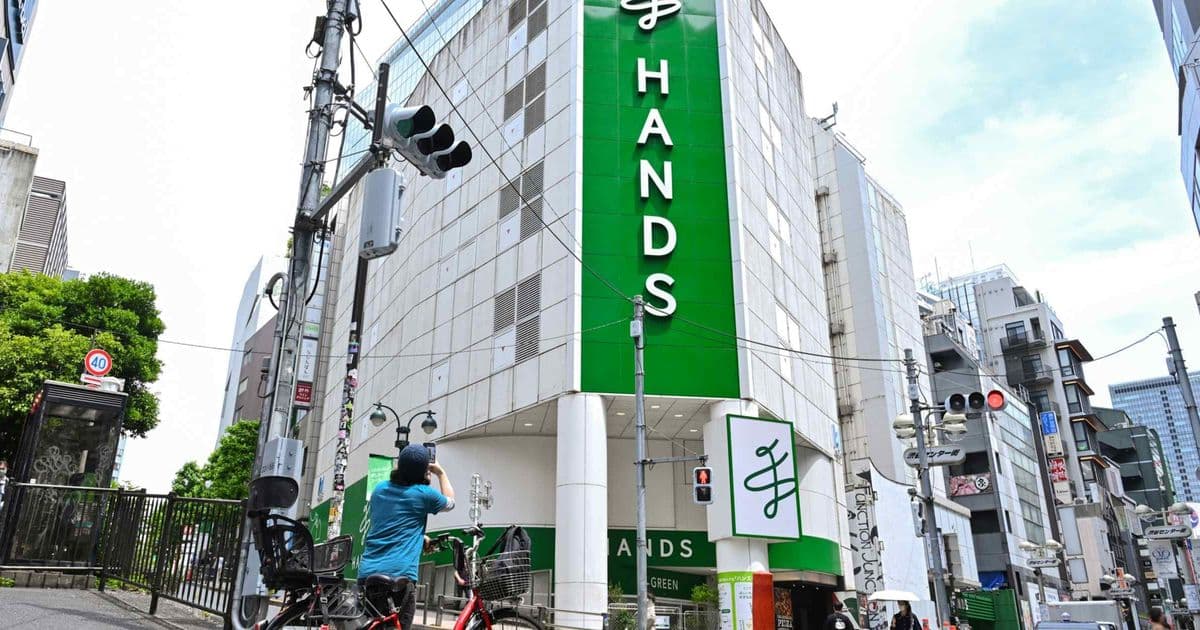
The former Hands household‑goods outlet in Shibuya will be demolished for a mid‑range hotel, reflecting developers’ push to capture the 60 % share of foreign visitors that flock to the district. With Japan’s hotel RevPAR up 12 % YoY and high‑end room supply lagging, the project signals a strategic shift toward higher‑margin accommodation in a prime tourism hub.
New hotel in Shibuya replaces iconic Hands store
Tokyo’s Shibuya district, which draws roughly 60 % of all foreign visitors to the capital, is about to lose its longtime Hands household‑goods flagship. Real‑estate consortium Shibuya Development Partners announced plans to demolish the three‑storey retail building and erect a 12‑floor hotel with 180 rooms, slated for opening in early 2028.
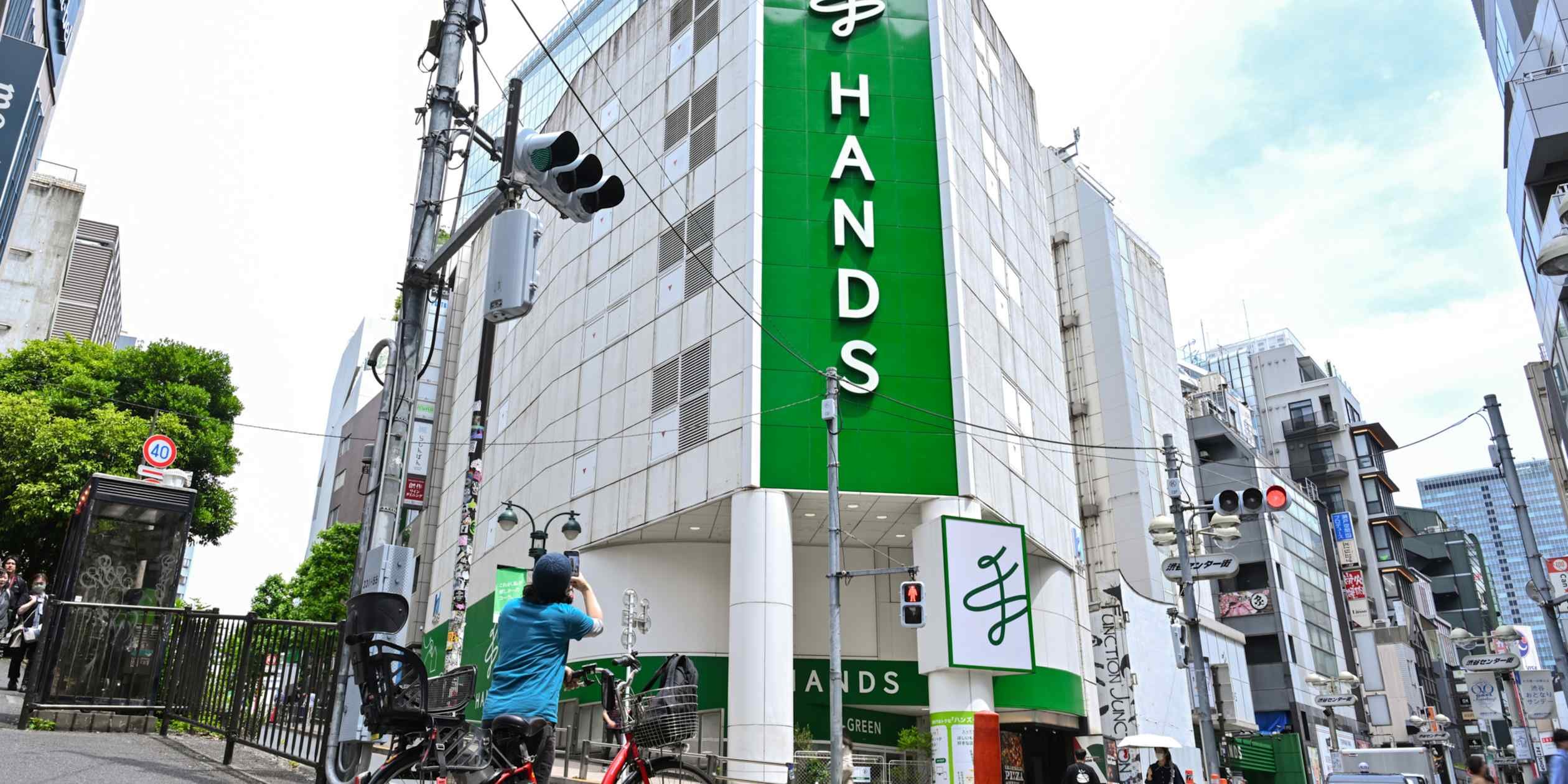
The project will be managed by Hotel Nikko under a 20‑year operating agreement, targeting the mid‑scale segment priced between ¥18,000 and ¥28,000 per night. The developer expects an average daily rate (ADR) of ¥22,500, which is 8 % above the current district average of ¥20,800.
Market context: demand outstripping supply
- Foreign visitor concentration – Shibuya accounts for 60 % of inbound tourists, according to the Japan Tourism Agency’s 2025 data, yet only 5 % of the district’s 1,200 hotel rooms are classified as “luxury” (¥30,000+ per night).
- RevPAR growth – Nationwide, hotel revenue per available room rose 12 % YoY in Q4 2025, driven by a 9 % surge in U.S. and European arrivals after the easing of visa restrictions.
- China visitor dip – Chinese arrivals fell 18 % YoY in 2025, pressuring high‑end properties that previously relied on that market. Mid‑scale hotels have therefore become the primary growth engine.
- Supply gap – Shibuya’s hotel inventory grew by just 2 % between 2022‑2025, while demand for 150‑room properties increased by 15 % in the same period, according to a report by CBRE Japan.
Strategic implications for developers and the city
- Higher margin versus retail – Retail rents in Shibuya have plateaued at ¥45,000 per tsubo, while hotel operators can achieve yields of 7‑8 % on invested capital, according to a JLL market brief. Converting the Hands site to hospitality therefore improves the asset’s return profile.
- Diversifying the tourism product – By adding a mid‑scale hotel, Shibuya can better serve budget‑conscious travelers who currently stay in neighboring districts such as Shinjuku or Roppongi, reducing pressure on those areas and spreading tourist spend more evenly.
- Potential knock‑on effects – The hotel’s opening is expected to boost ancillary revenues for nearby restaurants and convenience stores. A Tokyo Metropolitan Government study estimates a 0.5 % increase in local sales tax receipts for each 100 new hotel rooms.
- Regulatory backdrop – The city’s 2024 “Tourism Accommodation Expansion” policy offers tax incentives for projects that add at least 100 rooms in high‑traffic zones, which the Shibuya development will qualify for.
What it means for investors and travelers
- Investors should watch the performance of hotel REITs such as Japan Hotel REIT (JHR), which reported a 4.3 % increase in net asset value (NAV) after similar Shibuya projects were announced earlier this year.
- Travelers can anticipate more competitive pricing in Shibuya’s hotel market, as new supply pressures existing operators to adjust rates.
- City planners may see this as a template for repurposing other underperforming retail sites, especially as e‑commerce continues to erode brick‑and‑mortar foot traffic.
Overall, the Hands‑to‑hotel conversion underscores a broader shift in Tokyo’s tourism strategy: moving from retail‑centric development toward accommodation that directly captures the spending power of inbound visitors.
Comments
Please log in or register to join the discussion