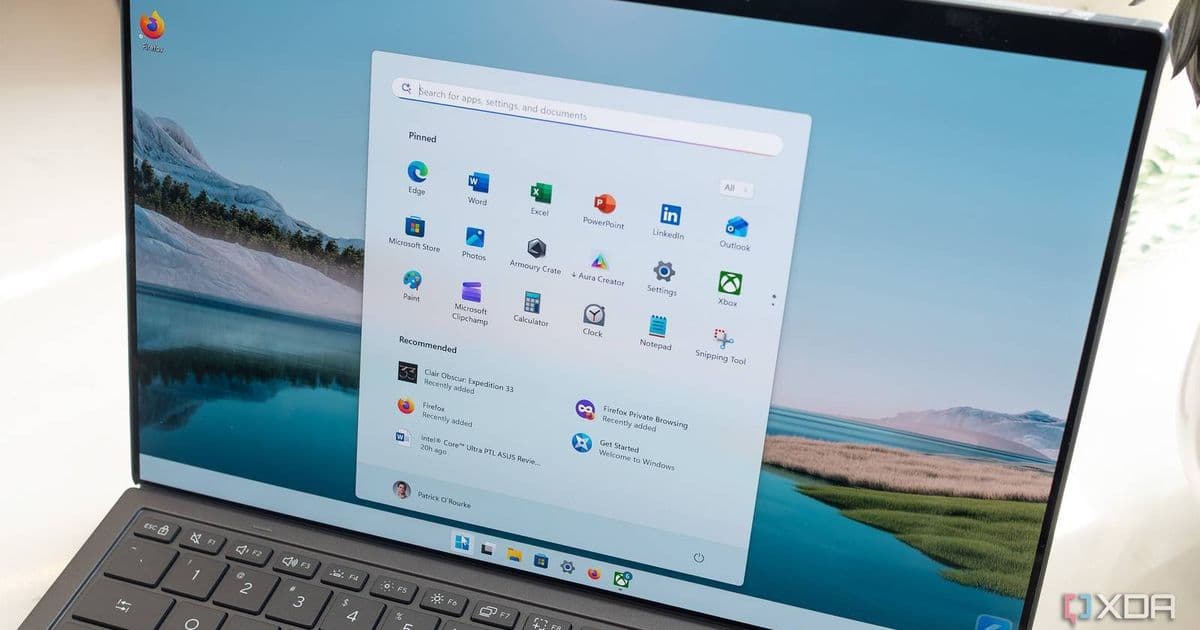
Microsoft is reportedly giving Windows 11 users unprecedented control over the Start menu, including manual layout selection, section editing, and performance improvements under heavy system load.
Microsoft is reportedly preparing a significant overhaul of Windows 11's Start menu that could finally address years of user complaints about its limited customization options. According to sources familiar with Microsoft's plans, the company is working on giving users unprecedented control over one of the operating system's most frequently used features.
Manual Layout Selection Finally Coming
Currently, Windows 11 automatically determines whether users get the large or small Start menu layout based on usage patterns and screen size. This automated approach has frustrated many users who prefer one layout over the other but have no way to switch. The new update would reportedly let users manually choose between the two layouts, giving them complete control over their Start menu experience.
This change addresses one of the most common complaints from Windows 11 users since the operating system's launch. Many users have expressed frustration at not being able to select their preferred Start menu size, especially those with specific workflow preferences or accessibility needs.
Section Customization Gets a Major Upgrade
Perhaps the most exciting change involves the ability to customize Start menu sections. Currently, users can remove individual apps from sections like "Recommended," but the sections themselves remain stubbornly persistent. Even after clearing out all content, Windows 11 keeps these sections visible, taking up valuable screen real estate.
The reported update would allow users to remove entire sections with just a few clicks. This means you could completely eliminate the Recommended section if you find it unhelpful, or remove other sections that don't align with your workflow. For power users who prefer a clean, minimalist Start menu, this change could be transformative.
Performance Improvements Under Heavy Load
Microsoft is also reportedly focusing on making the Start menu "much faster and responsive," particularly when the computer is under significant stress. This addresses another common complaint where the Start menu becomes sluggish or unresponsive during intensive tasks like gaming, video rendering, or when running multiple demanding applications.
The performance improvements would ensure that the Start menu remains snappy and accessible even when your PC is doing heavy lifting. This is particularly important for users who rely on quick access to applications and system functions while working on resource-intensive projects.
Context and User Demand
These changes come after years of user feedback and criticism about Windows 11's Start menu limitations. When Windows 11 launched, many longtime Windows users were disappointed by the reduced customization options compared to previous versions. The inability to resize the Start menu, remove unwanted sections, or choose between layouts were frequently cited as major drawbacks.
The reported updates suggest that Microsoft has been listening to user feedback and is willing to make substantial changes to improve the user experience. This approach aligns with Microsoft's recent trend of being more responsive to user input, as seen with other Windows 11 updates that have rolled back or modified controversial changes.
Potential Impact on User Experience
If these changes materialize, they could significantly improve the Windows 11 experience for millions of users. The ability to customize the Start menu to individual preferences has been a hallmark of Windows for decades, and these updates would bring Windows 11 more in line with user expectations.
For businesses and power users, the performance improvements could be particularly valuable, ensuring that the Start menu remains a reliable tool even during demanding work sessions. The section customization options would also allow organizations to tailor the Start menu experience for different user groups or departments.
Timeline and Availability
While the report provides exciting details about potential changes, Microsoft has not officially announced these updates or provided a timeline for their release. As with any pre-release information, these features could change or be delayed before reaching users.
However, given the specific nature of the reported changes and their alignment with long-standing user requests, there's reason to be optimistic that these improvements could arrive in a future Windows 11 update. Microsoft typically tests major changes through preview builds before rolling them out to all users, so we may see these features appear in the Windows Insider Program before a general release.
Looking Ahead
The reported Start menu overhaul represents a significant shift in Microsoft's approach to Windows 11 customization. By giving users more control over one of the operating system's core features, Microsoft is acknowledging that one-size-fits-all solutions don't work for everyone.
These changes, if implemented, could help Windows 11 better serve its diverse user base, from casual home users to enterprise professionals. The combination of layout flexibility, section customization, and performance improvements addresses multiple pain points that have persisted since Windows 11's launch.
As Windows continues to evolve, the Start menu remains a crucial touchpoint for user interaction with the operating system. Microsoft's reported willingness to revamp this feature suggests a commitment to refining Windows 11 based on real-world usage and feedback, which could bode well for future updates and improvements.
Comments
Please log in or register to join the discussion