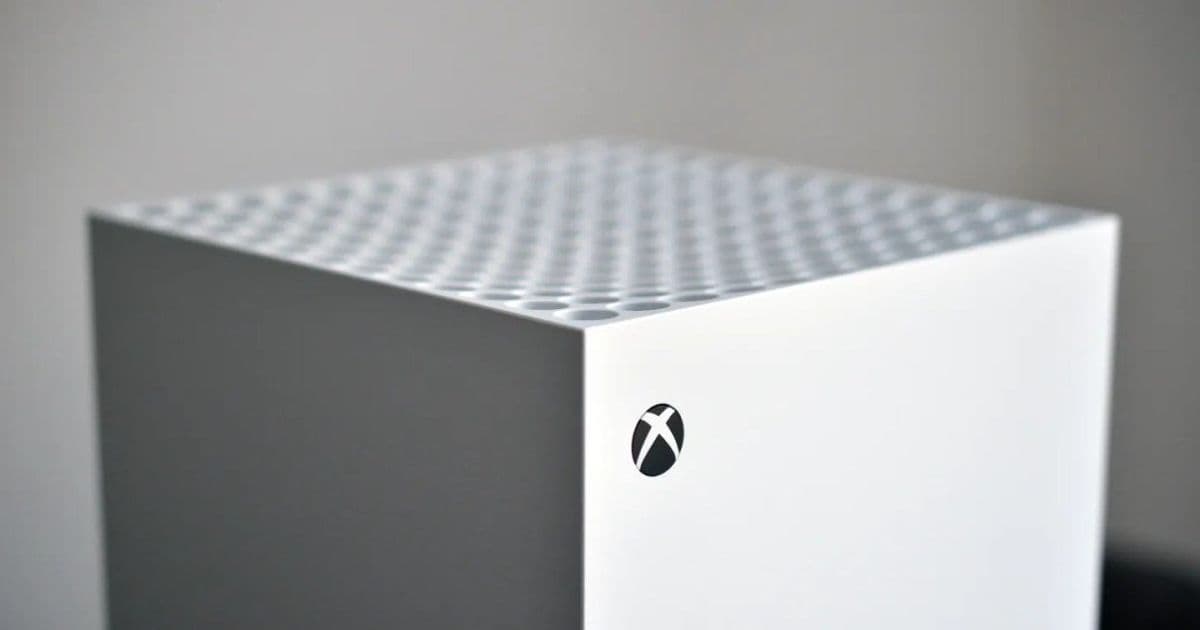
Microsoft announces Project Helix, its next Xbox console featuring a custom AMD processor, with alpha versions set to reach developers in 2027 as the gaming industry anticipates major hardware advances.
Microsoft has unveiled new details about its next-generation Xbox console, codenamed Project Helix, during the Game Developers Conference (GDC) Festival of Gaming. The company confirmed that the upcoming console will feature a custom AMD chip and plans to begin distributing "alpha versions" to developers in 2027.
The announcement comes as part of Microsoft's broader strategy to maintain its competitive position in the gaming hardware market, where it faces intense competition from Sony's PlayStation and Nintendo's Switch platforms. The custom AMD processor suggests Microsoft is following a similar approach to its current Xbox Series X|S lineup, which also utilizes AMD's Zen architecture and RDNA graphics technology.
While specific technical specifications remain under wraps, the use of a custom AMD chip indicates Microsoft is likely pursuing performance improvements in processing power, graphics capabilities, and potentially energy efficiency. Custom silicon allows console manufacturers to optimize hardware specifically for gaming workloads rather than relying on off-the-shelf components.
Developer Access Timeline
The 2027 timeline for alpha versions reaching developers provides insight into Microsoft's product roadmap. This suggests the console could launch as early as 2028, following the typical 6-7 year console generation cycle. The staggered approach of providing alpha hardware to developers well in advance of launch is standard practice in the gaming industry, allowing software teams to optimize their games for new hardware capabilities.
Industry Context
Microsoft's announcement arrives amid significant developments in gaming technology. The company is also rolling out Windows 11 Xbox mode, a controller-first, full-screen gaming interface set to begin rolling out in April across all PC form factors. This integration between console and PC gaming experiences reflects Microsoft's strategy of creating a unified gaming ecosystem across its platforms.
The gaming industry continues to evolve with advancements in cloud gaming, subscription services like Xbox Game Pass, and the integration of AI technologies. Microsoft's hardware announcements must be considered within this broader context of changing how players access and experience games.
Technical Implications
The custom AMD chip likely represents a significant leap in processing capabilities compared to current-generation hardware. Industry analysts expect the next generation to support higher resolutions, improved frame rates, more advanced ray tracing, and potentially new storage technologies that could reduce loading times even further than the current generation's SSD implementations.
Market Competition
Microsoft's timing appears strategic, as Sony has not yet announced its PlayStation 5 Pro successor, and Nintendo continues to focus on its hybrid console strategy. The custom AMD approach allows Microsoft to differentiate its hardware while maintaining compatibility with the broader x86 ecosystem that developers are familiar with.
Related Gaming News
In other gaming developments, Nintendo's stock jumped 8%+ following strong sales of Pokémon Pokédia, a Switch 2 exclusive released on March 5 that sold out at major US retailers. This demonstrates continued strong demand for Nintendo's hardware despite the aging Switch platform.
Looking Ahead
As 2027 approaches, developers will gain crucial insights into the capabilities of Project Helix hardware, allowing them to begin planning games that leverage the new console's features. The gaming community will be watching closely for additional details about Microsoft's vision for the next generation of Xbox gaming, including potential innovations in controller design, user interface, and integration with Microsoft's broader gaming services.
The announcement of Project Helix represents Microsoft's commitment to maintaining a physical console presence in an era where cloud gaming and mobile gaming continue to grow. By investing in custom hardware and providing early access to developers, Microsoft is positioning itself to deliver compelling gaming experiences that take full advantage of next-generation hardware capabilities.
For more information about Xbox developments, visit the official Xbox website.
Comments
Please log in or register to join the discussion