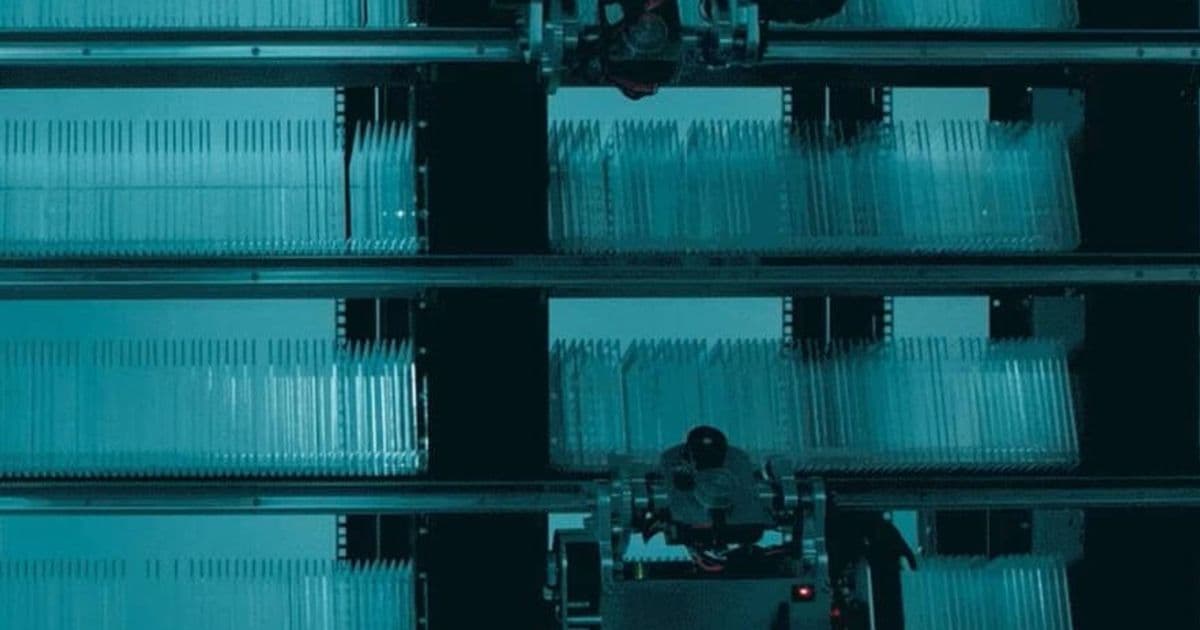
Microsoft's Project Silica aims to create glass-based storage that could last millennia, but its implementation raises critical questions about data retention policies, regulatory compliance, and user rights in an era of strict data protection regulations.
Microsoft's Project Silica represents a fascinating technological leap in data storage, promising archival capabilities that could span millennia. This research initiative, which stores data in borosilicate glass using femtosecond lasers, has captured headlines with its potential to preserve information for what Microsoft describes as "virtual eternity." However, as we consider the implications of such technology, we must examine how it intersects with our current data protection landscape, including regulations like the GDPR and CCPA, which impose strict requirements on data retention and user privacy.
The Technology Behind Project Silica
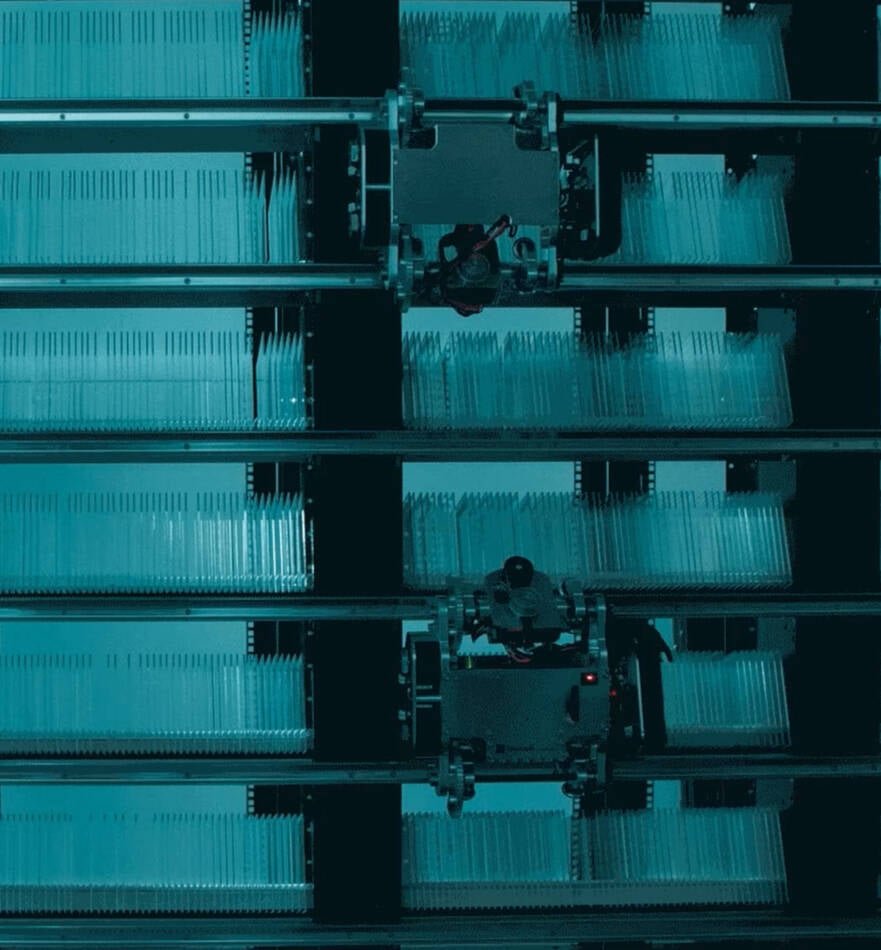
Project Silica stores 2 terabytes of data in hundreds of layers within a mere 2mm thick glass plate. The writing process involves femtosecond laser pulses that alter the glass at the molecular level, creating data patterns that can be read back using specialized optical systems enhanced by machine learning. The durability of glass as a storage medium is remarkable - silica-based materials have preserved information for thousands of years, as evidenced by archaeological discoveries of ancient tools and tablets.
From a technical perspective, this approach offers several advantages over current storage methods. Unlike magnetic tape or hard drives, glass storage is not susceptible to magnetic fields, moisture, or temperature fluctuations in the same way. It doesn't require constant electricity to maintain data integrity, potentially solving the "refresh cycle" problem that plagues digital archives where data must be periodically migrated to new media as technologies become obsolete.
The Regulatory Landscape and Long-Term Storage
When considering Project Silica through the lens of data protection regulations, several critical questions emerge. The General Data Protection Regulation (GDPR) in the European Union and the California Consumer Privacy Act (CCPA) in the United States both establish strict limitations on how long organizations can retain personal data.
Under GDPR, Article 5(1)(e) requires that personal data be kept in a form which permits identification of data subjects for no longer than is necessary for the purposes for which the personal data are processed. This "data minimization" principle directly conflicts with the concept of storing data for millennia. Similarly, CCPA grants consumers the right to request deletion of their personal information, creating a fundamental tension with permanent storage solutions.
For organizations considering implementing Project Silica or similar long-term storage technologies, compliance becomes a significant challenge. How can a company justify storing personal data for 10,000 years when regulations require deletion after specific timeframes? The potential legal and financial implications are substantial - GDPR violations can result in fines up to €20 million or 4% of global annual turnover, while CCPA violations can lead to penalties of up to $7,500 per intentional violation.
Impact on User Rights and Privacy
The concept of "eternal storage" raises profound questions about user privacy and consent. When individuals provide personal data to organizations, they typically do so with the understanding that it will be used for specific purposes and retained for reasonable periods. The emergence of storage technologies capable of preserving data for geological timescales fundamentally alters this relationship.
Consider the following scenarios:
Historical Data Archives: Museums or research institutions might use glass storage to preserve historical records containing personal information. While potentially valuable for future generations, this could create permanent records of individuals who never consented to such long-term preservation.
Corporate Records: Companies might be tempted to use permanent storage for all their records, creating a digital time capsule of their operations. This could include personal data of employees, customers, and partners that should have been deleted under current regulations.
Government Archives: Government agencies might utilize such technology for long-term preservation of records, potentially creating permanent databases of citizens' information that could be accessed far into the future.
In each case, the tension between technological capability and regulatory requirements becomes apparent. Users have the right to expect that their data won't be retained indefinitely, yet technologies like Project Silica make this technically feasible, if not economically practical.
Compliance Implications and Best Practices
For organizations considering long-term storage solutions, several compliance considerations must be addressed:
Data Classification: Implement robust data classification systems to identify personal data that cannot be stored permanently under current regulations.
Consent Management: Ensure that any consent obtained for data collection explicitly addresses the potential for long-term storage and future access.
Retention Policies: Develop clear retention policies that align with regulatory requirements, even when storage technology might enable longer preservation.
Access Controls: Implement strict access controls for any long-term storage systems to prevent unauthorized retrieval of archived data.
Regular Audits: Conduct regular audits of stored data to identify and delete information that should no longer be retained under applicable regulations.
The irony is that while Project Silica promises to solve the technical challenge of long-term data preservation, it simultaneously creates significant compliance challenges for organizations subject to data protection regulations. The technology may be ahead of our legal and ethical frameworks, requiring careful consideration of how to balance preservation with privacy.
The Economic Reality
As the original article astutely points out, Project Silica faces significant economic hurdles beyond the technical challenges. Writing speeds of 20 Mbps per laser beam (equivalent to USB 1.0 speeds) make current implementations impractical for large-scale data centers. Scaling this technology to handle the 400 million terabytes generated daily would require substantial innovation.
Moreover, the business case for 10,000-year storage remains questionable. As the author notes, "once you've sold one 10,000-year storage solution, it'll be a while before anyone needs another." This creates a fundamental market challenge that may prevent widespread adoption regardless of technical advances.
The Path Forward
Rather than viewing Project Silica as a solution to all our data preservation challenges, a more balanced perspective recognizes both its potential and limitations. For organizations dealing with legacy data that must be preserved long-term, such as historical archives or scientific research data, glass storage could offer valuable benefits. However, for personal data subject to strict retention requirements, its application requires careful consideration of regulatory compliance.
The development of Project Silica should prompt broader discussions about:
Regulatory Evolution: How might data protection regulations evolve to address the capabilities of long-term storage technologies?
Ethical Frameworks: What ethical guidelines should govern the preservation of personal data across generations?
Technical Solutions: Can we develop storage technologies that include built-in "expiration dates" or self-destruct mechanisms to comply with regulatory requirements?
User Education: How can we better educate users about the long-term implications of their data being stored in perpetuity?
Conclusion
Microsoft's Project Silica represents an impressive technological achievement with potentially valuable applications for long-term data preservation. However, its implementation must be carefully considered within the context of existing data protection regulations and user rights. The tension between the capability to store data permanently and the legal requirements for data deletion creates significant challenges for organizations seeking compliance.
As we continue to develop increasingly durable storage technologies, we must simultaneously develop appropriate legal and ethical frameworks to guide their application. The promise of "eternal storage" should not lead us to create permanent records of individuals who never consented to such preservation. Instead, we must balance technological innovation with respect for privacy rights and regulatory compliance, ensuring that our ability to preserve data does not outpace our commitment to protecting individual rights.
In the end, the most valuable aspect of Project Silica may not be its ability to store data for millennia, but rather how it prompts us to reconsider our relationship with data preservation and privacy in an increasingly digital world.
Comments
Please log in or register to join the discussion