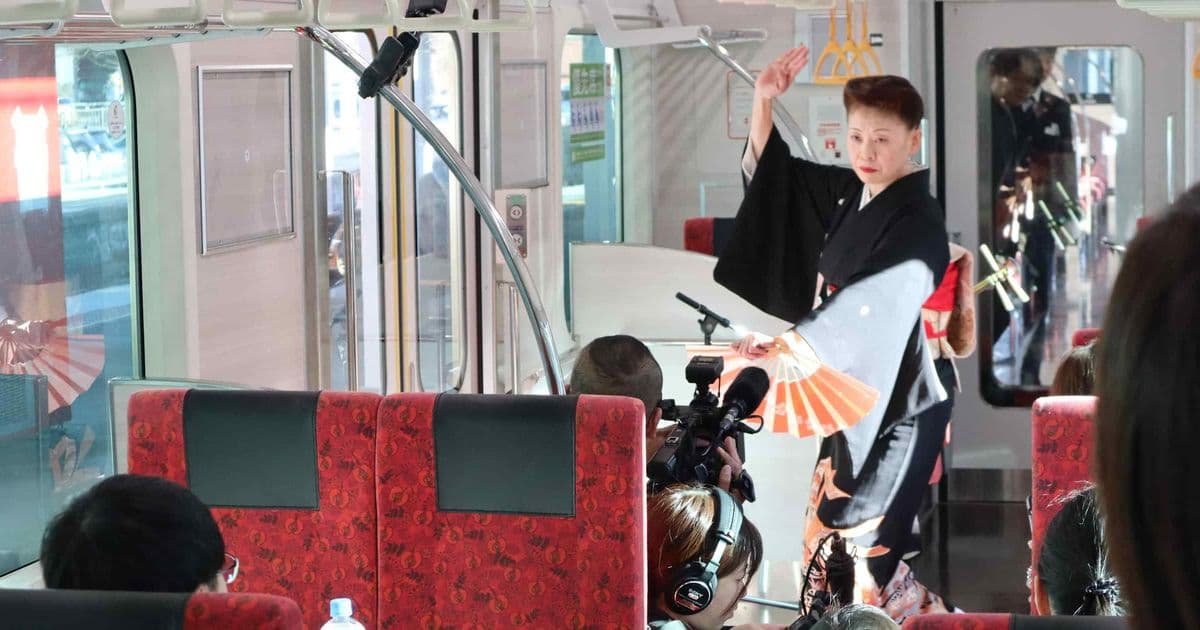
Chikuma City leverages traditional geisha performances and snack bar culture to combat declining tourism, targeting younger visitors and international travelers with immersive cultural experiences.
Chikuma City in Japan's Nagano Prefecture is executing a deliberate economic revitalization strategy for its Togura-Kamiyamada onsen (hot spring) district, betting on the revival of traditional geisha entertainment and local snack bar culture to reverse declining visitor numbers. Facing challenges common to regional hot spring resorts—aging infrastructure and shifting traveler preferences—the city's tourism bureau is deploying cultural assets as unique economic differentiators.
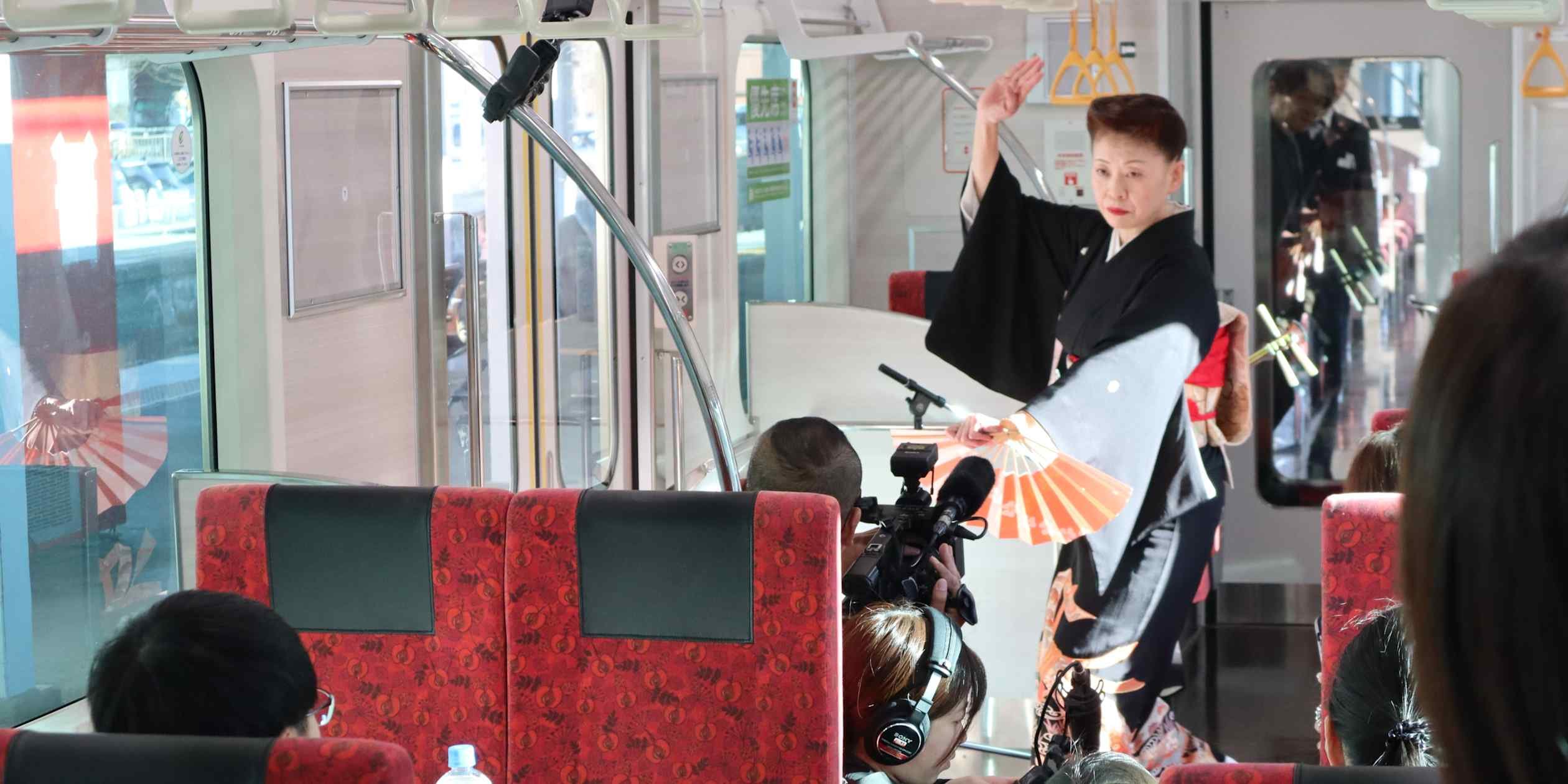
Central to the initiative is the "geisha train," a collaboration between the Shinshu Chikuma Tourism Bureau and local railway operators. These specially curated journeys feature onboard performances by trained geiko (geisha) and maiko (apprentices), transforming transit into immersive cultural experiences. Concurrently, historic snack bars—small-scale izakaya-style establishments where geisha traditionally entertained guests—are being restored and promoted as evening entertainment hubs.
Market analysis indicates shifting tourism patterns: domestic youth travelers increasingly prioritize experiential activities over traditional relaxation-focused onsen visits, while international visitors seek authentic cultural interactions. Pre-pandemic data from the Japan Tourism Agency showed cultural experiences commanding 15-30% price premiums over standard tours. Chikuma's strategy directly targets these high-value segments.
Economic implications are multifaceted:
- Revenue Diversification: Moving beyond bath admission fees to higher-margin entertainment and dining
- Workforce Development: Training programs for geisha performers and hospitality staff create local employment
- Extended Stays: Bundled experiences (onsen + geisha show + snack bar visit) increase average visitor spending duration
- Brand Differentiation: Positioning against commoditized hot spring destinations through unique cultural IP
Initial metrics show promising traction, with hotel occupancy rates in the district rising 18% year-over-year since program launch. The municipality plans measured expansion: scaling geisha performances to 15 weekly events by Q3 2026 and certifying 12 traditional snack bars as cultural venues. Success here could establish a replicable model for regional tourism economies across Japan facing similar demographic and competitive pressures.
Shinshu Chikuma Tourism Bureau | Japan Onsen Association Market Reports
Comments
Please log in or register to join the discussion