The Rust-based Zlib implementation gets a significant performance boost with AVX-512 VNNI support, delivering faster Adler32 checksums on modern CPUs.
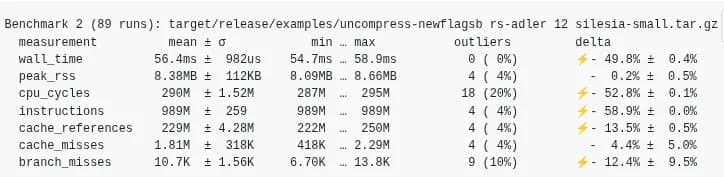
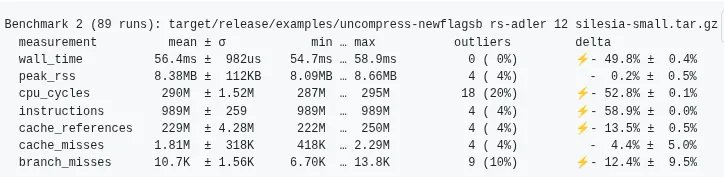
The Trifecta Tech Foundation has released a series of updates to Zlib-rs, the Rust programming language implementation of the popular Zlib compression library. The most notable change in Zlib-rs 0.6.1 is the addition of an AVX-512 VNNI (Vector Neural Network Instructions) variant for the Adler32 checksum calculation, delivering measurable performance improvements on supported hardware.
AVX-512 VNNI Brings Performance Gains
The new VNNI implementation provides faster Adler32 calculations compared to the previous AVX-512 baseline code. This optimization is particularly relevant for modern Intel Xeon processors starting from the Cascade Lake generation and AMD CPUs from Zen 4 onwards, which all support AVX-512 VNNI instructions.
While specific benchmark numbers weren't provided in the initial announcement, the merge request notes "pretty significant improvements" to the Adler32 implementation. These gains are especially valuable for applications that perform frequent checksum calculations during compression and decompression operations.
Rapid Release Cycle Addresses Critical Bugs
Following the 0.6.1 release, the Zlib-rs team moved quickly to address several critical issues. Zlib-rs 0.6.2 was released as a "brown paper bag" release - developer slang for a release that fixes embarrassing bugs - to resolve overflow issues in the deflate code.
The team didn't stop there. Zlib-rs 0.6.3 arrived shortly after with additional fixes, addressing a particularly problematic bug where deflate output wasn't deterministic when the compressor was reused with deflateReset. This inconsistency could cause issues for applications requiring reproducible compression results.
Cross-Project Impact
Interestingly, the deflateReset determinism bug also affected zlib-ng, another popular Zlib implementation focused on performance. Both projects have now addressed this issue, demonstrating the interconnected nature of open source compression library development.
These rapid releases highlight the active development and quick response times of the Zlib-rs project. The Trifecta Tech Foundation appears committed to maintaining a stable and high-performance Rust implementation of the ubiquitous Zlib compression format.
What This Means for Developers
For Rust developers using Zlib-rs, these updates provide both performance improvements and critical bug fixes. The AVX-512 VNNI optimization means that applications running on modern server hardware can expect faster compression operations, particularly those that rely heavily on Adler32 checksum calculations.
The quick succession of releases (0.6.1, 0.6.2, and 0.6.3 all within a short timeframe) suggests that developers should consider updating to the latest version, especially if they're experiencing issues with deflateReset or running on hardware that supports AVX-512 VNNI.
As the Rust ecosystem continues to mature, having a high-performance, actively maintained Zlib implementation is crucial for many applications, from web servers to data processing pipelines. These improvements help ensure that Rust developers have access to compression capabilities that can compete with or exceed those available in other languages.
Comments
Please log in or register to join the discussion