Nex Computer's new NexPhone isn't just another Android device—it's a desktop replacement that can run three operating systems, offering a unique approach to mobile-first computing.
Nex Computer has been pushing the boundaries of smartphone utility for years, first with its NexDock lineup that turned phones into laptop shells. Now, the company is taking a far more ambitious leap with the NexPhone, a device that doesn't just connect to external displays but actively replaces your desktop computer by running three different operating systems natively.
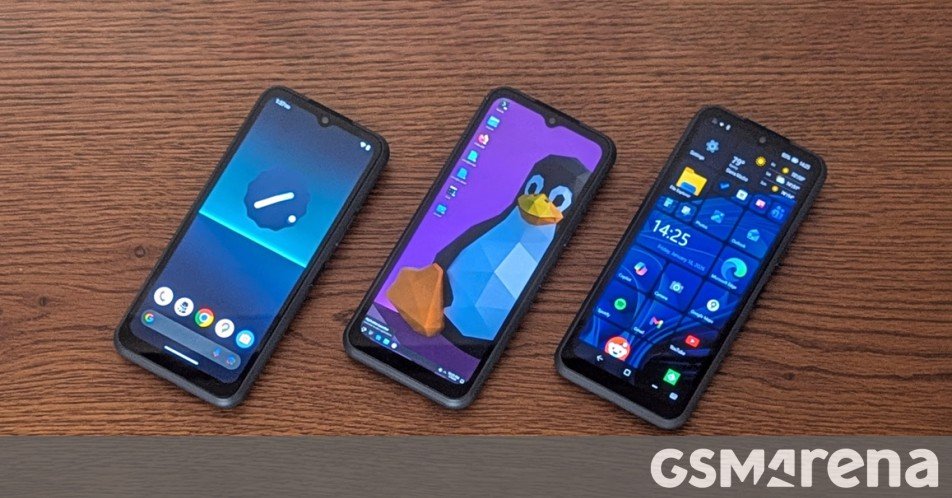
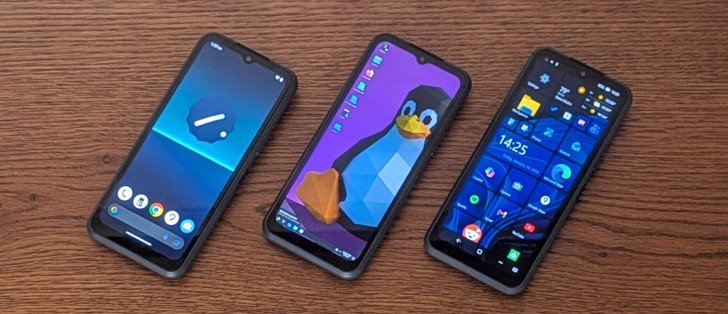
The NexPhone is an Android 16 smartphone at its core, but the software story is where it gets interesting. The custom NexOS includes a clever implementation where Linux (specifically Debian) runs as an application within the Android interface. This means you can launch a full Linux environment on the go without rebooting, ideal for developers or power users who need command-line tools or specific Linux applications while mobile. For those who prefer a more traditional desktop experience, the device also supports booting directly into the Arm-based version of Windows 11, complete with a custom tile-based UI that uses progressive web apps—a nostalgic nod to the Windows Phone era.
When connected to an external monitor via USB-C, the NexPhone transforms into a full desktop environment. You can choose between Android Desktop Mode, the Linux Debian environment, or Windows 11, effectively giving you three distinct desktop experiences from one device. This flexibility addresses a common pain point for mobile professionals who need different tools for different tasks without carrying multiple devices.
Hardware-wise, the NexPhone sits firmly in the midrange category. It's powered by Qualcomm's QCM6490 chipset—the same SoC found in the Fairphone 5—which is a capable but not cutting-edge processor. This is paired with 12GB of RAM and 256GB of storage, expandable via microSD. The 6.58-inch IPS LCD offers FHD+ resolution and a 120Hz refresh rate, protected by Gorilla Glass 3. The IP69 rating provides robust protection against water and dust, while the 5,000 mAh battery supports 18W wired charging and wireless charging.
The camera system includes a 64MP main camera with an IMX787 sensor, a 13MP ultrawide using Samsung's ISOCELL 3L6, and a 10.5MP selfie camera with Samsung's 3J1 sensor. While not flagship-level, this setup should handle everyday photography needs adequately.
The real question is whether this multi-boot approach can deliver a seamless experience. Running three operating systems on a single device presents significant technical challenges, from driver compatibility to performance optimization. The QCM6490, while capable, may struggle with Windows 11's demands, especially for intensive tasks. The Linux-as-an-app approach within Android is innovative but could introduce overhead compared to a native boot.
Nex Computer's approach reflects a growing interest in convergence—blurring the lines between mobile and desktop computing. While Samsung's DeX and Motorola's Ready For offer desktop-like experiences from Android phones, they're limited to Android. NexPhone's ability to run Windows 11 and Linux natively sets it apart, potentially appealing to developers, IT professionals, and tech enthusiasts who value flexibility over ecosystem lock-in.
However, ecosystem considerations remain crucial. Running Windows 11 on Arm means compatibility issues with x86 applications, though emulation improves with each generation. The Linux environment will likely have better native support for Arm software, but users may need to adapt their workflows. Android apps will run natively, but the experience on an external display may not be optimized for all applications.
Priced at $549, the NexPhone positions itself as an affordable alternative to carrying multiple devices. Reservations require a $199 deposit, with shipments expected in Q3 2026. This timeline gives Nex Computer time to refine the software experience, which will be critical for success.
The NexPhone represents an interesting experiment in mobile computing. It challenges the conventional wisdom that smartphones should be single-purpose devices, instead offering a vision where your phone truly becomes your only computer. Whether this vision succeeds will depend on execution—how well each operating system performs, how seamless the transitions are, and whether the hardware can handle the demands of three distinct computing environments.
For consumers, the NexPhone offers a compelling value proposition: one device that can handle mobile tasks, development work, and Windows-specific applications. For the industry, it's a reminder that the smartphone's potential as a desktop replacement is still largely untapped, and that innovation in this space continues to push boundaries.
The success of the NexPhone will ultimately be measured by how well it delivers on its promise of being a true desktop replacement. If it can provide a reliable, performant experience across all three operating systems, it could carve out a niche among power users and professionals who value flexibility and simplicity. If the experience is compromised, it may remain a curiosity rather than a practical solution.
As we await the actual release, the NexPhone stands as a bold statement about the future of mobile computing—one where the device in your pocket doesn't just complement your desktop, but potentially replaces it entirely.
Links and Resources:
Comments
Please log in or register to join the discussion