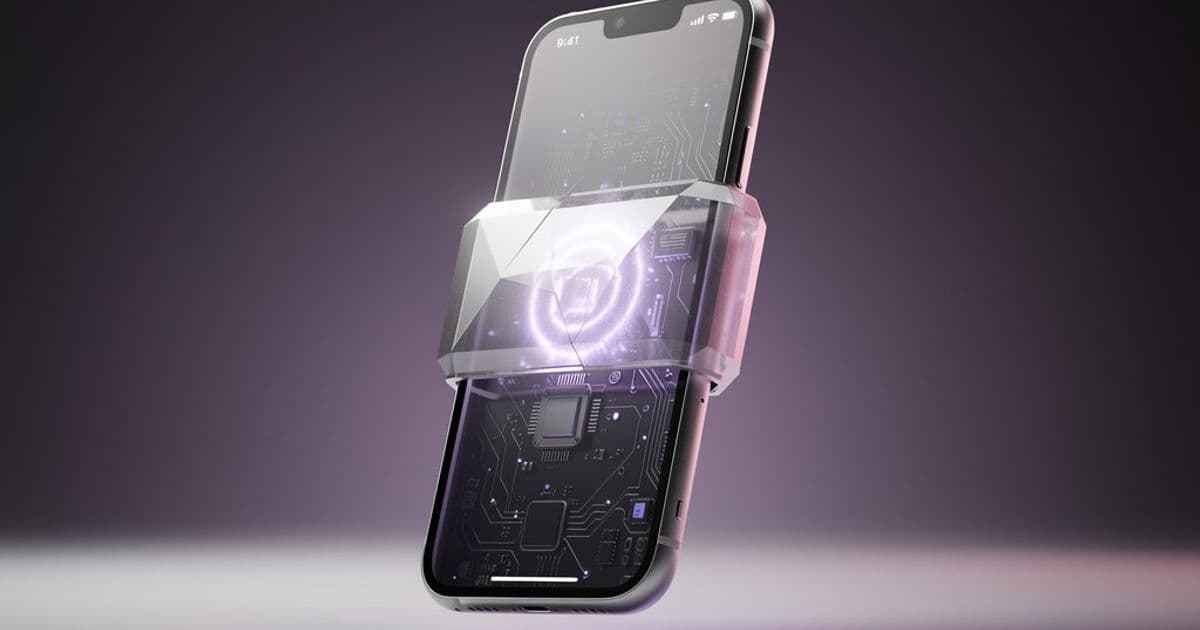
OnePlus's latest firmware updates permanently disable device downgrades through a hardware-level anti-rollback mechanism, fundamentally altering its relationship with the modding community that once defined the brand.
In January 2026, OnePlus deployed firmware updates that permanently altered how users interact with their devices. Updates for the OnePlus 13, OnePlus 15, and OnePlus Ace 5 series (ColorOS versions 16.0.3.501, 16.0.3.503, and 16.0.3.500 respectively) activated a hardware-level anti-rollback mechanism by blowing irreversible electronic fuses in Qualcomm processors. This technical change prevents device owners from installing older firmware versions or custom ROMs, with any attempt resulting in a permanent "hard brick" that renders devices inoperable.
Technical Mechanism Explained
The system leverages Qfprom (Qualcomm Fuse Programmable Read-Only Memory), a dedicated region within Snapdragon processors containing microscopic electronic fuses. When updated firmware boots successfully, Qualcomm's TrustZone issues commands to blow specific fuses via electrical pulses, physically changing their state from "0" to "1". This action permanently raises the minimum allowable firmware version. Subsequent boot sequences compare firmware versions against this fused value, rejecting any older software.
As detailed in an XDA Forums analysis, this differs fundamentally from software-based restrictions. Traditional recovery methods like Emergency Download Mode (EDL) become useless because the Qfprom fuses reside in the processor silicon itself. Previously functional unbrick tools fail since they lack OEM signatures matching the new fused state. Unlike Samsung Knox—which disables specific features upon bootloader unlocking but rarely bricks devices—OnePlus's implementation creates complete hardware failure when version checks fail.
Community Impact and Historical Context
The move represents a stark departure from OnePlus's origins. Founded in 2013 by former OPPO executives, the company initially shipped devices with CyanogenMod—a commercial custom ROM—explicitly targeting modding enthusiasts. When Cyanogen partnerships collapsed, OnePlus developed OxygenOS as a modder-friendly alternative. The recent firmware changes effectively terminate this legacy. As noted by community member AdaUnlocked, "Flashing ANY custom ROM developed prior to this update on top of fused firmware will result in immediate hard brick." This invalidates existing development efforts for affected devices and forces custom ROM developers to rebuild projects from updated firmware bases.
Device Ecosystem and Company Silence
Affected models include:
- OnePlus 12 (ColorOS 16.0.3.500/15.0.0.862)
- OnePlus 13/13T (16.0.3.501/15.0.0.862)
- OPPO Find X7 Ultra (16.0.3.500)
- OnePlus Pad 2 Pro/3 (16.0.3.501)
OnePlus has removed official downgrade packages from support channels and issued no statements explaining the change, despite community reports of bricked devices requiring motherboard replacements. Industry observers note devices like the OnePlus 11 and Find X8 series may receive similar updates.
Broader Implications
The incident raises questions about repairability and planned obsolescence. Unlike software locks that can be circumvented, fused hardware restrictions eliminate user agency permanently.
Comments
Please log in or register to join the discussion