OpenAI is launching a new initiative to embed AI tools directly into national education systems, starting with eight countries including Estonia, Greece, and the UAE. The program focuses on providing ChatGPT Edu, research partnerships, and certifications to address the growing gap between AI capabilities and real-world usage in education.
OpenAI has announced a new initiative called "Education for Countries" that represents a more structured, government-level approach to integrating AI into education systems. Rather than focusing on individual teachers or schools, this program works directly with national ministries of education and university consortia to deploy AI tools at scale.
The Capability Overhang Problem
The core premise behind this initiative is what OpenAI calls the "capability overhang"—the gap between what AI tools can technically do and how they're actually being used in practice. This isn't just a theoretical concern. Studies project that by 2030, nearly 40% of the core skills workers rely on today will change, driven largely by AI adoption. The risk is that education systems could fall behind, leaving students unprepared for a workforce where AI proficiency becomes fundamental.
OpenAI's argument is that education systems are the most critical route for closing this gap. If students and educators don't learn to use these tools effectively during their formative years, the capability overhang will only widen as AI capabilities continue to advance.
What the Program Actually Provides
The Education for Countries initiative isn't just about giving schools access to ChatGPT. It's a multi-layered approach that includes:
AI Tools for Learning: Participants get access to ChatGPT Edu, GPT‑5.2, study mode, and canvas—tools that can be customized to align with local learning priorities. This is significant because it moves beyond the generic ChatGPT experience to something that can be tailored to specific curricula and educational contexts.
Learning Outcomes Research: Perhaps the most valuable component is the commitment to large-scale, national research initiatives. OpenAI will collaborate with governments and universities to study how AI affects learning outcomes and teacher productivity. This data could inform policy decisions and help avoid the common pitfall of implementing technology without measuring its actual impact.
OpenAI Certifications and Training: The program includes tailored training for educators and students, from the OpenAI Academy to ChatGPT-based certifications. These certifications are designed to give students practical AI skills that align with national workforce priorities, potentially creating a clearer signal to employers about AI proficiency.
Global Partner Network: A growing network of governments, researchers, and education leaders will share insights and highlight successful deployments, creating a feedback loop for responsible AI implementation in education.
The First Cohort: Eight Countries
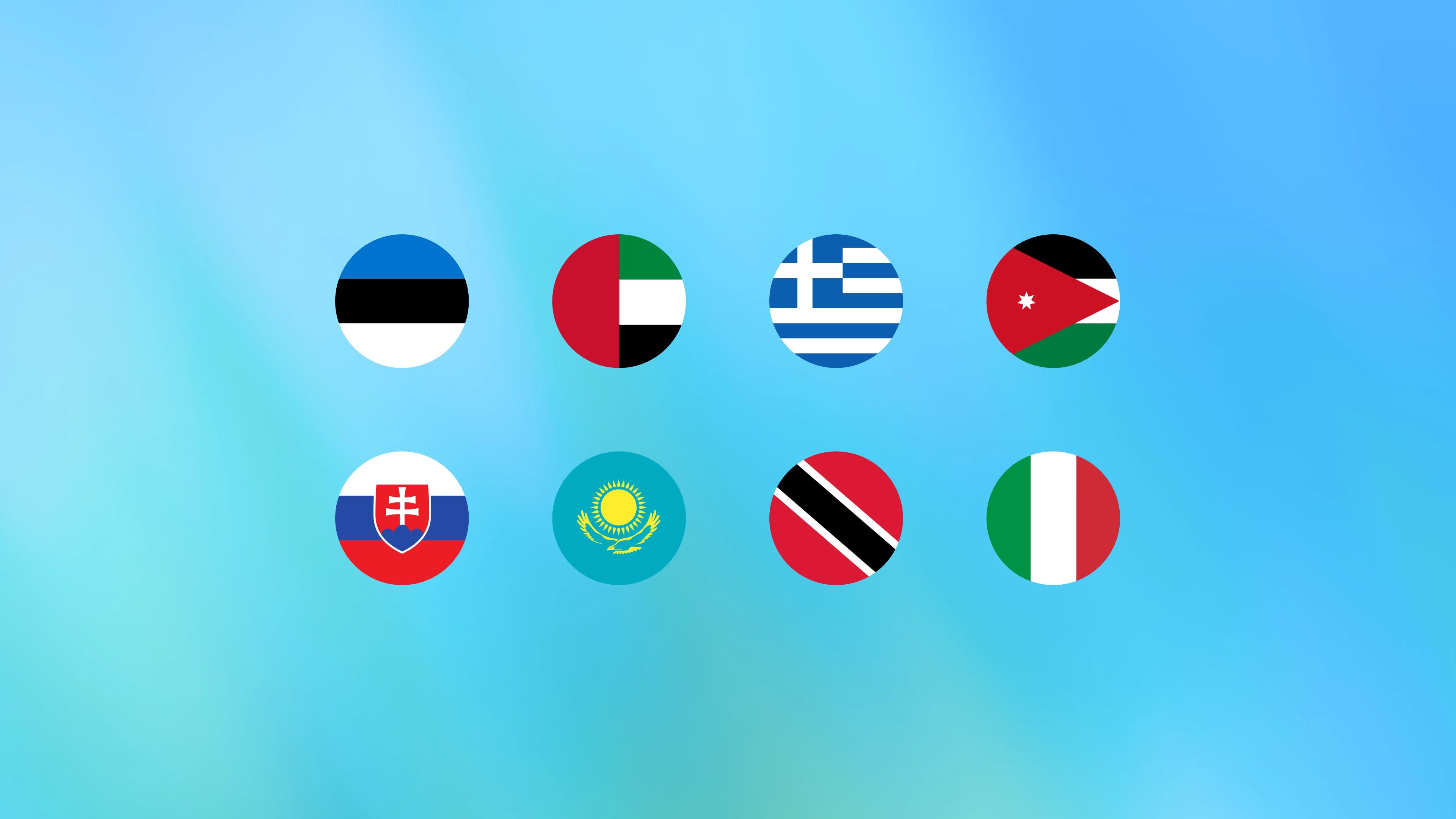
The initial group includes Estonia, Greece, Italy's Conference of University Rectors (CRUI), Jordan, Kazakhstan, Slovakia, Trinidad & Tobago, and the United Arab Emirates. Each country represents a different approach to education and AI adoption.

Estonia's deployment is particularly instructive. ChatGPT Edu has already been deployed nationwide across public universities and secondary schools, reaching more than 30,000 students, educators, and researchers in its first year. The country is also conducting longitudinal research with the University of Tartu and Stanford to measure AI's effects on learning outcomes among 20,000 students over time.
Ivo Visak, CEO of AI Leap (Estonia's national AI education program), frames their approach as using AI "not the most, but the smartest way." This reflects a growing recognition that simply providing access isn't enough—there needs to be intentional implementation focused on learning outcomes.
Implementation Strategy
The rollout follows a phased approach that acknowledges the complexity of introducing AI at scale:
Educator First: Teachers and professors receive tools and training before students, positioning educators as leaders in AI adoption rather than passive recipients.
Higher Education First: ChatGPT Edu is already available to university students, where the use cases are more straightforward and the risks are generally lower.
Pilot Programs for K-12: In high schools, student access begins through small pilots developed in close collaboration with local leaders. This allows for safety measures and curriculum alignment to be tested before broader deployment.
Safety and Literacy: OpenAI is working with partners like Common Sense Media to develop age-appropriate model behavior and AI literacy content for educators.
The Broader Context
This initiative fits into OpenAI's larger mission of ensuring that advanced AI benefits everyone. It complements several other programs:
- OpenAI Certifications: Individual-focused skill building
- NextGenAI: Accelerating AI research across universities
- ChatGPT Edu and study mode: Product enhancements for education
- Partnerships with teacher organizations: Like the American Federation of Teachers in the US
The Education for Countries program represents a shift from individual or institutional partnerships to government-level collaboration. This is significant because education policy is typically set at the national or state level, and scaling AI adoption requires coordination across entire systems rather than isolated classrooms.
Limitations and Unanswered Questions
While the initiative is ambitious, several challenges remain:
Equity Concerns: The program starts with eight countries, many of which are relatively well-resourced. How will OpenAI ensure that less wealthy nations aren't left behind as AI becomes more integral to education?
Measurement Challenges: While research partnerships are promising, measuring learning outcomes is notoriously difficult. The risk is that the metrics used may not capture the full impact of AI on education.
Teacher Autonomy: There's a tension between providing standardized tools and allowing teachers to adapt them to their specific needs. The success of this program will depend heavily on how well it balances structure with flexibility.
Long-term Sustainability: The program is launching with OpenAI's support, but what happens when countries need to maintain and update these systems independently? Building local capacity will be crucial.
Age-appropriate AI Behavior: While OpenAI mentions working on age-appropriate model behavior, the specifics of how ChatGPT will be adapted for younger students remain unclear. This is a critical technical and ethical challenge.
What Comes Next
OpenAI plans to announce a second cohort later in 2026, suggesting this is meant to be an ongoing initiative rather than a one-time program. The company is also inviting other countries to contact their team to learn about joining.

The real test will be whether this program can demonstrate measurable improvements in learning outcomes and workforce readiness. If successful, it could provide a blueprint for how AI companies can work responsibly with governments to integrate AI into public education systems. If it fails, it will likely reinforce concerns about the risks of deploying AI at scale in educational settings.
For now, the Education for Countries initiative represents one of the most comprehensive attempts to address the capability overhang in education. Its success or failure will have implications far beyond the eight countries in its first cohort.
Comments
Please log in or register to join the discussion