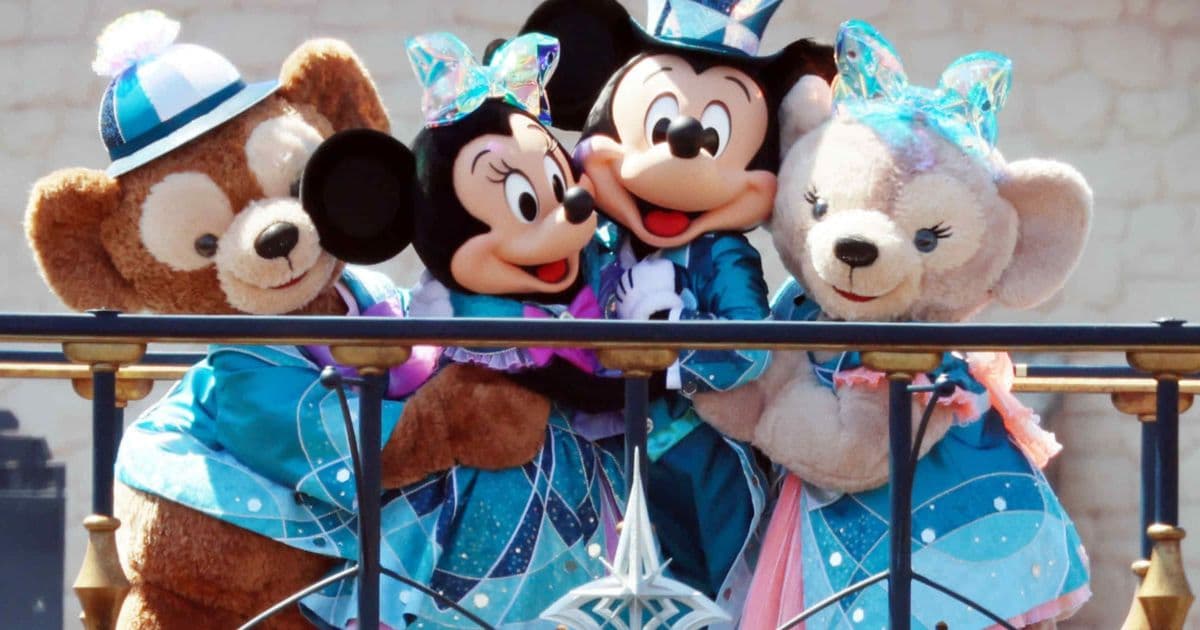
The operator of Tokyo Disneyland and DisneySea is caught between rising operating costs and a falling share price, and the obvious lever, another ticket price increase, is getting harder to pull without alienating the domestic visitors who built the business.
Oriental Land, the company that runs Tokyo Disneyland and Tokyo DisneySea under license from Walt Disney, is facing a familiar squeeze that has become harder to ignore. Costs are climbing, the stock is sliding, and management is once again being pushed toward the one tool that reliably protects margins: charging guests more to walk through the gates.
The tension is straightforward to describe and difficult to resolve. Theme parks are fixed-cost businesses. Labor, utilities, maintenance, and the constant capital spending on new attractions land on the income statement whether attendance is strong or soft. When those input costs rise faster than attendance, per-visitor revenue has to do the heavy lifting. For Oriental Land, that has meant a steady march of price increases on single-day passports over the past several years, plus the rollout of demand-based variable pricing that pushes peak-day admission well above the base rate.
What the stock is signaling
A falling share price for a theme park operator usually reflects one of two worries, and often both at once. The first is margin compression: investors see costs rising and question whether price hikes can keep pace without denting demand. The second is a demand ceiling: if domestic guests, particularly younger and family visitors, start treating a day at the park as a discretionary splurge rather than a routine outing, the volume side of the equation weakens just as the company leans harder on price.
Nikkei Asia's reporting points to exactly this dynamic, noting that Tokyo Disney has seen fewer young guests as ticket prices have risen. That is the data point that should worry management more than any single quarter of costs. Theme parks depend on lifetime customer relationships. A teenager priced out today is a family customer lost a decade from now. When the core domestic audience starts to thin at the bottom of the age curve, the long-term annuity that makes the business attractive begins to erode.
The inbound tourism cushion
There is a counterweight, and it is a meaningful one. Foreign visitors have increasingly fueled growth at the resort, and a weak yen has made Japan an unusually cheap destination for international travelers. For an operator under cost pressure, inbound demand is close to ideal: these guests tend to spend more per visit, they are less sensitive to ticket increases that still look like a bargain in dollar or euro terms, and they often stay at the on-site hotels where margins are richer than at the gate.
This is the same arbitrage showing up across Japanese consumer and entertainment names. The country charges less at home for things the rest of the world wants, from gaming hardware to character-driven experiences, and the gap gets monetized through tourists. The risk is that the cushion is currency-dependent. If the yen strengthens, the inbound subsidy thins out precisely when domestic demand is already strained by higher prices. Building a pricing strategy on a favorable exchange rate is building on rented land.
The capital spending treadmill
The harder structural issue is that Oriental Land cannot simply stop spending. The Disney model runs on novelty. New lands, new attractions, and refreshed entertainment are what justify repeat visits and the premium positioning. DisneySea's recent 25th anniversary and its ongoing expansion underscore the point: the parks have to keep reinvesting to keep the pricing power they already have. That creates a treadmill where higher ticket prices fund the capital projects that, in turn, are used to justify the next round of higher ticket prices.
That loop works as long as guests believe each increase buys a better day out. The moment the perceived value stops rising with the price, the formula breaks, and the company is left with a high cost base and a more skeptical customer. This is why management's framing matters so much. The challenge is not whether it can raise prices, it is whether it can convince visitors the higher admission is worthwhile.
What it means
For investors, the read-through is that Oriental Land is shifting from a growth story to an execution story. The easy gains from post-pandemic reopening and a flood of returning tourists are largely banked. What remains is the harder work of managing a price-sensitive domestic base, an exchange-rate-sensitive foreign base, and a cost structure that only moves in one direction. The stock weakness suggests the market is pricing in the possibility that the next price increase delivers less incremental profit than the last.
The broader pattern extends beyond one company. Japanese entertainment and intellectual property businesses, from Nintendo to Sanrio, are navigating their own headwinds, and the domestic-versus-global pricing gap is becoming a recurring theme across the sector. Oriental Land is a clean example of a wider question facing Japan's experience economy: how long can companies underprice at home, lean on inbound tourists to make the numbers work, and keep raising prices without breaking the loyalty that made the brand valuable in the first place. The answer will show up first in attendance among the youngest guests, and only later in the stock.
Comments
Please log in or register to join the discussion