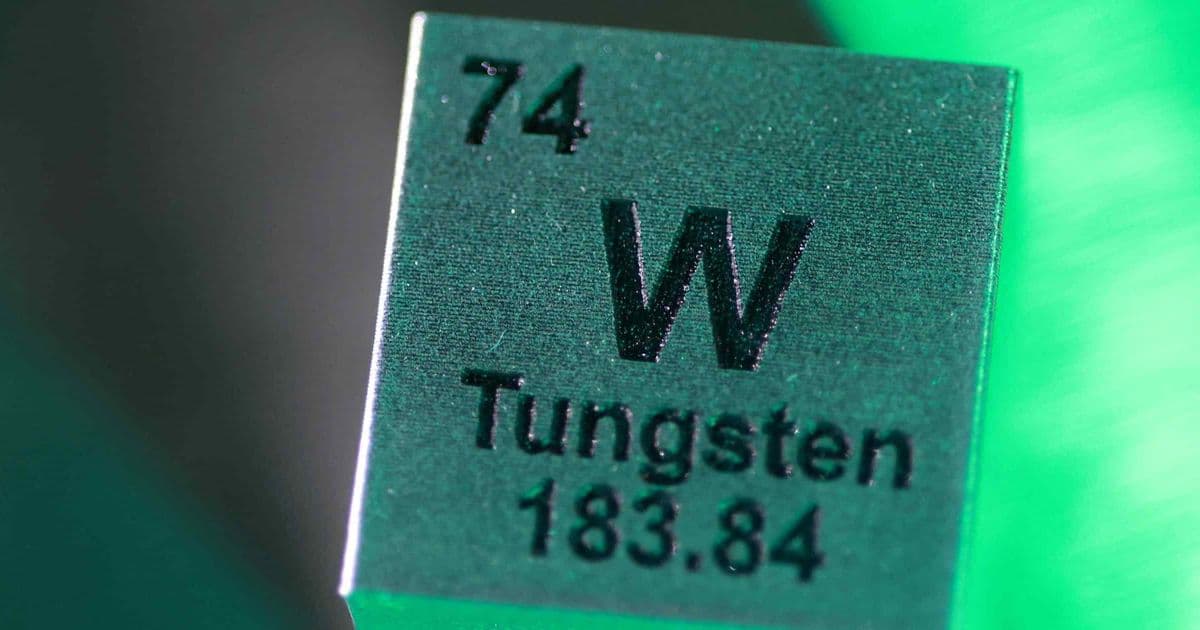
Japan-bound shipments of recycled tungsten from the United States have jumped sharply as Chinese export restrictions push manufacturers toward alternative sources. With scrap prices roughly quadrupling year-on-year and China itself now competing for recycled material, the trade flows around one of industry's most strategic metals are being rerouted in real time.
Japan-bound U.S. shipments of recycled tungsten have surged as Chinese export controls force companies to scramble for alternatives, a shift that is rewiring the supply chain for one of the most strategically important industrial metals. Tungsten scrap prices in May ran roughly four times higher than a year earlier, a move that signals how quickly buyers have repriced supply risk after Beijing tightened its grip on exports.
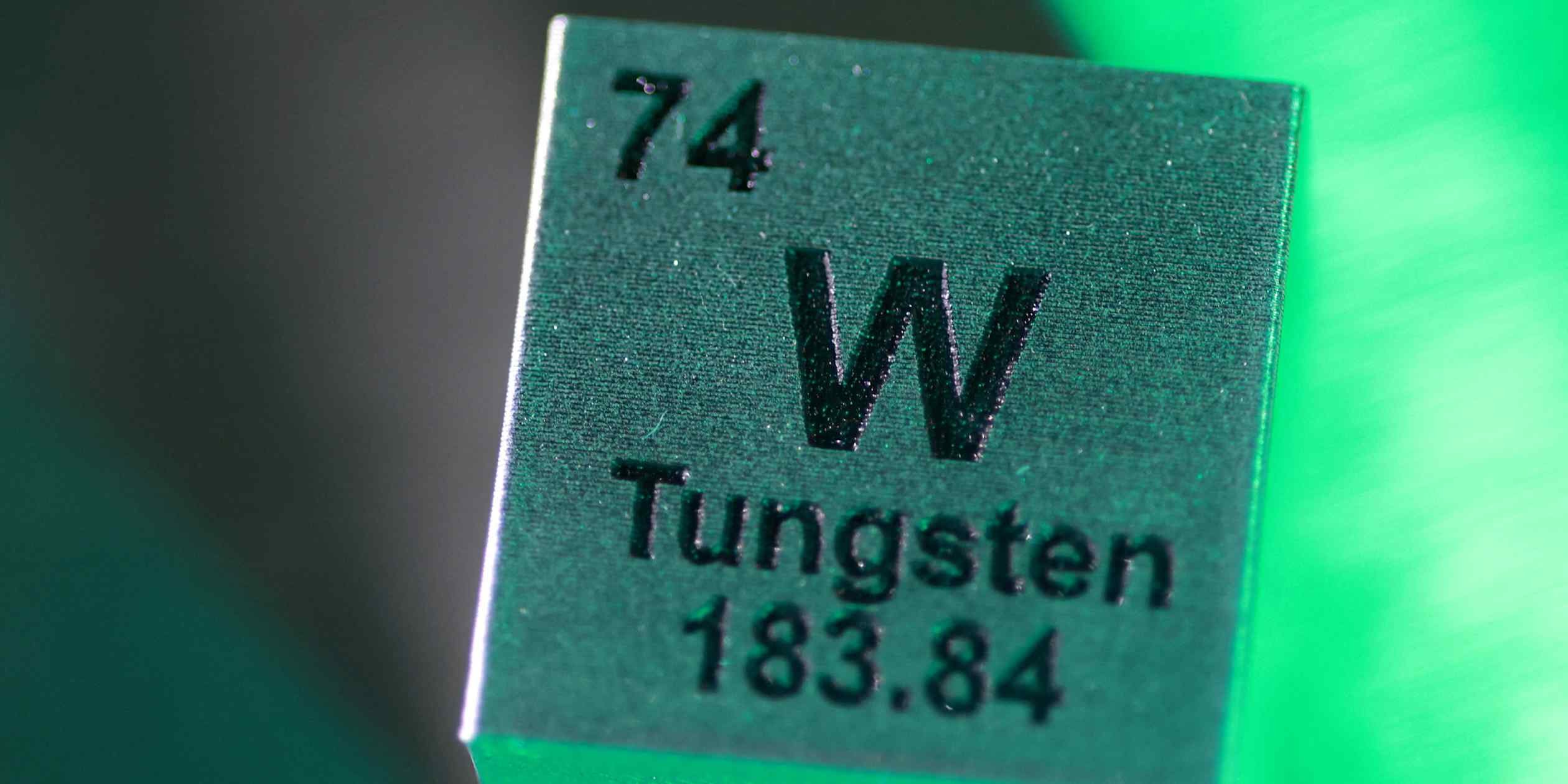
The metal sits at the center of modern manufacturing. Tungsten carbide tooling cuts and shapes nearly everything in heavy industry, and the metal's extreme density and heat resistance make it essential for aerospace components, armor-piercing munitions, drilling equipment, and the electrodes and filaments used across electronics. There is no easy substitute at scale. When the dominant supplier restricts shipments, the entire downstream chain feels it within months.
What happened
China controls the overwhelming majority of global tungsten mining and processing, and over the past year it has layered on export licensing requirements that have throttled outbound flows. The effect on Japan, a major consumer through its tooling and electronics industries, has been steep. Chinese tungsten exports to Japan have roughly halved under the tightened controls, according to trade reporting, leaving Japanese buyers exposed and hunting for tonnage wherever they can find it.
That hunt has landed on the United States. American recyclers and scrap dealers, who recover tungsten from spent carbide tools, drill bits, and industrial waste, have stepped up shipments to Japan to fill the gap. Recycled tungsten is no longer a marginal feedstock. As primary supply from China constricts, scrap has become a frontline source of the metal, and the quadrupling of scrap prices reflects exactly that change in status.
Market context
The price action tells the story. A roughly fourfold increase in a single year is not normal commodity volatility. It reflects a structural repricing in which scrap, historically valued at a discount to refined primary metal, is now being bid up because it represents one of the few supply streams outside Chinese control. When recycled material commands that kind of premium, it pulls volume away from domestic recycling loops and toward whichever buyers will pay the most.
The more telling development is that China itself has begun competing for recycled tungsten. A country that dominates primary production reaching out for scrap on the open market is a signal that even the largest producer wants to safeguard its own supply rather than rely solely on mining and processing. That demand from the supply leader puts a floor under prices and intensifies the squeeze on everyone else.
The tungsten story rhymes with what has already played out in rare earths. Chinese rare-earth exports to Japan dropped by about 80% under similar controls, sending companies scrambling and prompting projects such as Shin-Etsu Chemical's plan to build a rare-earth smelter in Japan to reduce reliance on China. Canadian miners are routing rare-earth supply through Brazil specifically to carve China out of the chain. The pattern is consistent: Beijing restricts a critical material, prices spike, and downstream economies rush to build redundancy.
What it means
For manufacturers, the immediate consequence is margin pressure. Tooling makers and electronics producers that depend on tungsten carbide now face input costs several times higher than a year ago, and those costs flow through to capital goods, machining, and defense supply chains. Companies that locked in long-term contracts or invested early in recycling capacity are better positioned than those buying spot.
The strategic response is already visible. Sumitomo Electric has moved to boost tungsten output by 50% to reduce China dependence, and a Vietnamese tungsten producer has described the current moment as its opening to capture share long held by Chinese suppliers. These are the kinds of investments that get made when buyers conclude that the supply disruption is durable rather than temporary. Recycling, in particular, becomes far more attractive economically when scrap prices quadruple, which should pull more recovery capacity into the market over the next several years.
The broader lesson for tech and industrial firms is that critical-material supply chains are now a function of geopolitics as much as geology. Tungsten, rare earths, gallium, and germanium have all become instruments of trade policy. Companies that treated single-source dependence on China as an efficiency win are now paying to unwind it, and the cost of that unwinding shows up in scrap prices, new smelter announcements, and trade flows that increasingly route around the dominant producer. The U.S.-to-Japan tungsten surge is one more data point in a steady decoupling that is reshaping where industrial materials come from and what they cost.
Comments
Please log in or register to join the discussion