Renault is pushing wound-rotor electric motors as an answer to rare-earth dependency, with credible engineering behind the claim and several unresolved trade-offs still hidden behind company-reported specs.
Renault Group’s claim is straightforward: it has been mass-producing electric motors without rare earths for more than a decade, and its next-generation E7A motor, planned for 2027, will make that strategy more compact, more powerful, and more compatible with faster-charging EV platforms. The company says the new electrically excited synchronous motor, or EESM, will produce 200 kW and 400 Nm, shrink motor size by 30% compared with the current generation, reduce carbon impact by 30%, reach about 92% efficiency, and move from today’s 400 V Renault architecture to an 800 V system.
That is a meaningful set of claims, but it is not the same thing as a free lunch. Renault is not saying it invented rare-earth-free traction motors in 2025. It is saying it has enough manufacturing experience with wound-rotor machines to keep using them at scale while much of the EV market still depends on permanent-magnet motors. The distinction matters.
What’s claimed
The core claim in Renault’s article, published by Renault Group, is that the company has taken a less common route in EV traction motors. Most modern electric cars use permanent-magnet synchronous motors, typically because they are compact and efficient. The magnets usually depend on rare-earth elements such as neodymium and dysprosium. Renault instead uses EESM designs, where the rotor’s magnetic field is generated electrically rather than supplied by permanent magnets.
Renault says around 90% of electric cars use motors with magnets. It frames its own approach as a strategic hedge against rare-earth supply concentration, especially China’s dominance in rare-earth refining and magnet production. The argument is not only environmental. It is industrial. If an automaker can build a high-volume EV motor without permanent magnets, it reduces exposure to price shocks, export controls, and geopolitical bottlenecks in the magnet supply chain.
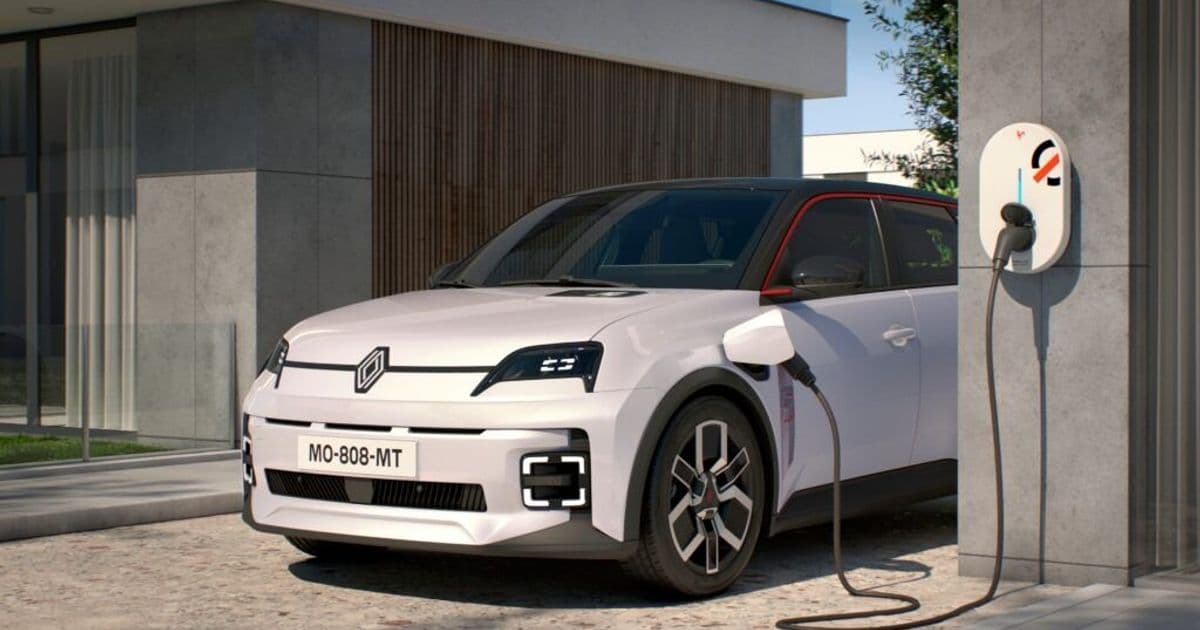
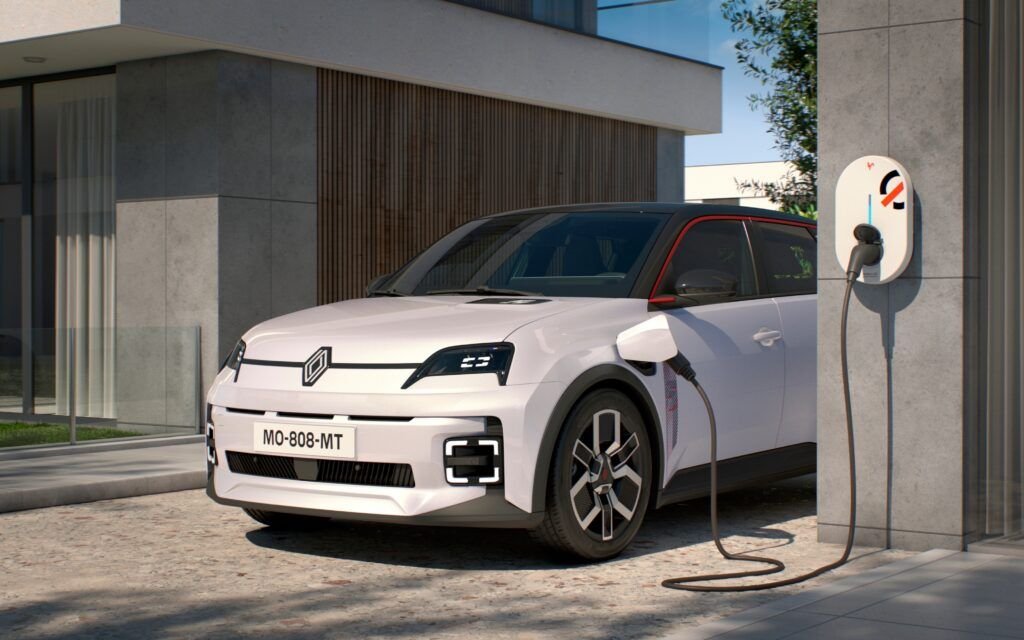
The company’s timeline is also part of the claim. Renault says it began selling EESM motors at scale in the early EV era, with the Kangoo Z.E. and Zoe using first-generation units. The later 6A family appeared in vehicles such as the Megane E-Tech Electric, then spread to models including the Scenic E-Tech Electric, Alpine A290, Renault 5 E-Tech Electric, and Renault 4 E-Tech Electric. Renault says these motors are produced at its Cléon plant, which is scheduled to build the next-generation 200 kW motor from 2027.
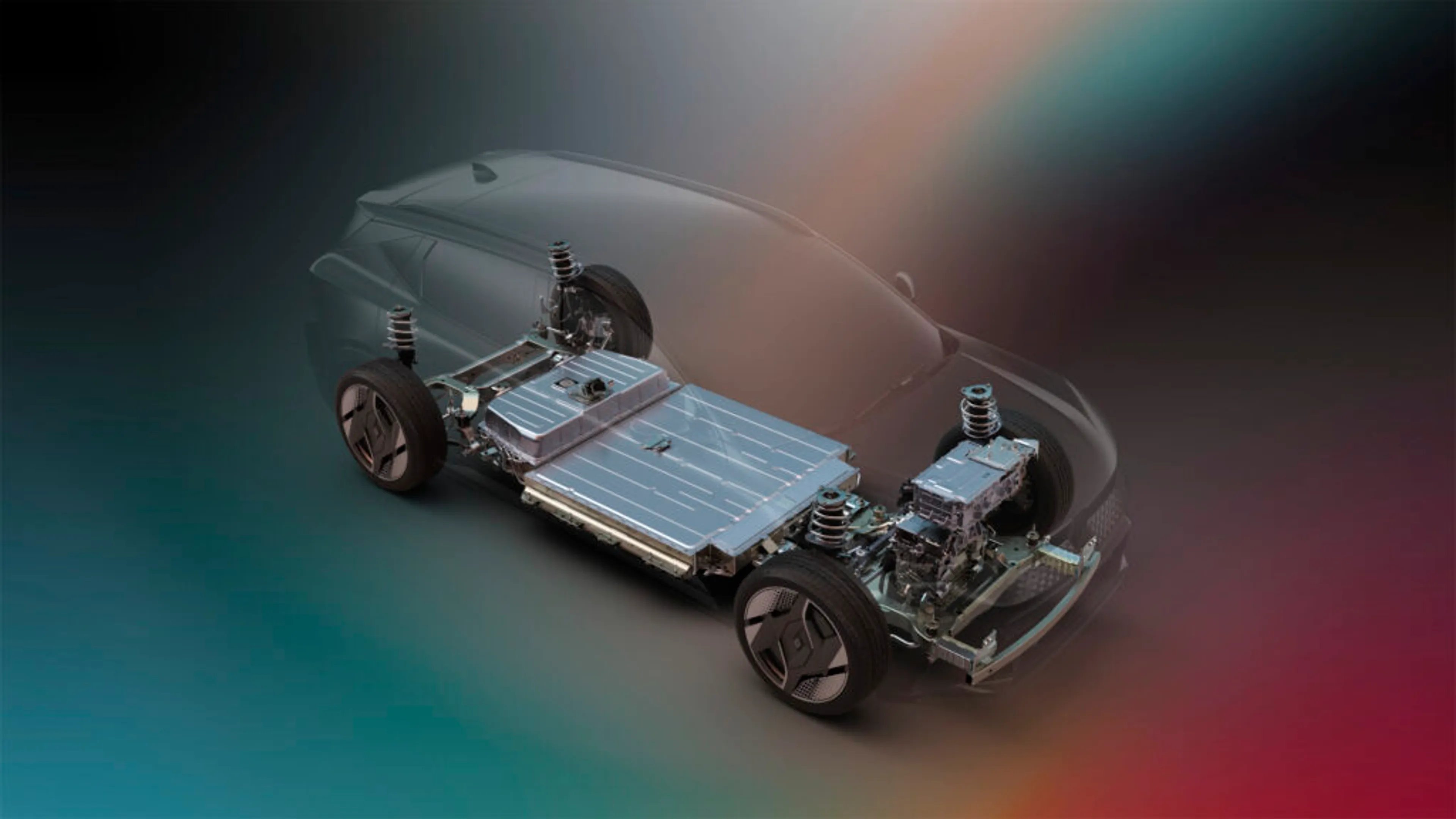
The headline E7A numbers are the interesting part. A 200 kW, 400 Nm motor is not exotic by EV standards, but it is strong enough for mainstream family cars and performance-oriented compact models. A 30% reduction in motor size would be significant if Renault achieves it without giving up thermal margin, manufacturing yield, or sustained output. The claimed 92% efficiency also sounds plausible for a traction motor, although single-number efficiency claims are less useful than efficiency maps across speed, torque, and temperature.
The move to 800 V is also practical rather than decorative. Higher voltage allows the same power to be delivered at lower current. Lower current can reduce resistive losses and cable heating, and it can make very high DC charging rates easier to package. That does not automatically make a car charge quickly. Battery chemistry, cell format, pack cooling, charger availability, and charge curve tuning still set the real user experience. But 800 V architecture gives engineers more room to work.
What’s actually new
The technology itself is old. A wound-rotor synchronous machine is not a recent discovery, and neither is an induction motor. The real question is whether an automaker can make the rare-earth-free option competitive enough in production vehicles where cost, packaging, efficiency, noise, reliability, and serviceability all matter.
A permanent-magnet motor has an obvious advantage: the rotor already carries its magnetic field. No rotor excitation system is needed. That helps packaging and can improve efficiency, especially in common driving regions where the motor spends much of its life. The downside is material dependency. High-performance magnets are not just a bill-of-materials line item. They bring mining, refining, thermal stability, recycling, and sourcing questions with them.
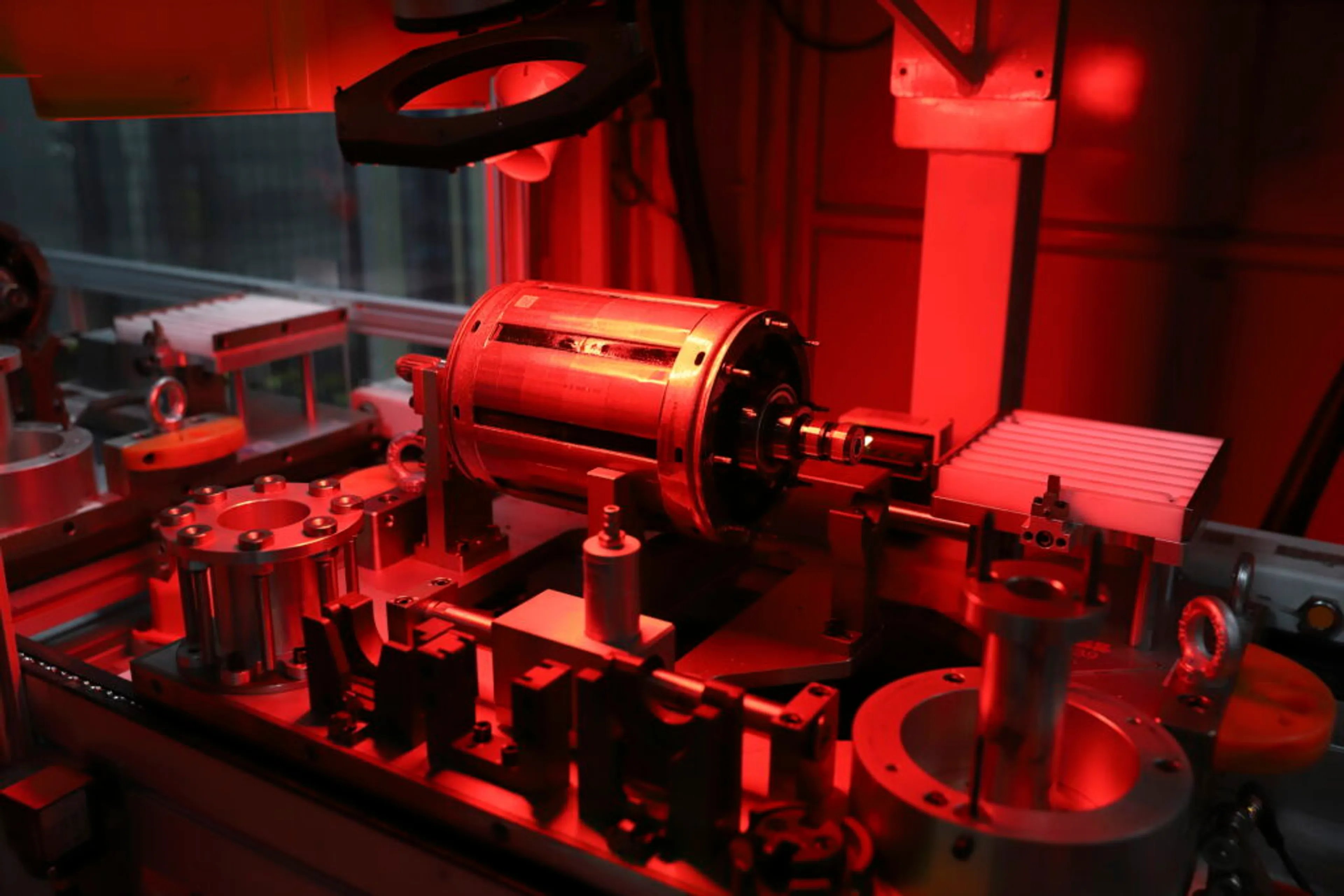
An EESM replaces the permanent magnets with a wound rotor. Current is fed into the rotor to create the magnetic field. The useful feature is controllability. The rotor field can be adjusted depending on operating conditions. At light loads, the system can reduce excitation. At high load, it can increase it. That gives engineers another control variable, which can help optimize efficiency across a wider operating range.
The cost is complexity. The rotor needs an excitation path, power electronics must manage field current, and the machine has additional losses in the rotor winding. Older implementations often used brushes or slip rings, which raise wear and maintenance concerns. Modern automotive systems can use more sophisticated excitation methods, but the high-level trade-off remains: avoid rare-earth magnets, accept more electrical and mechanical design work.
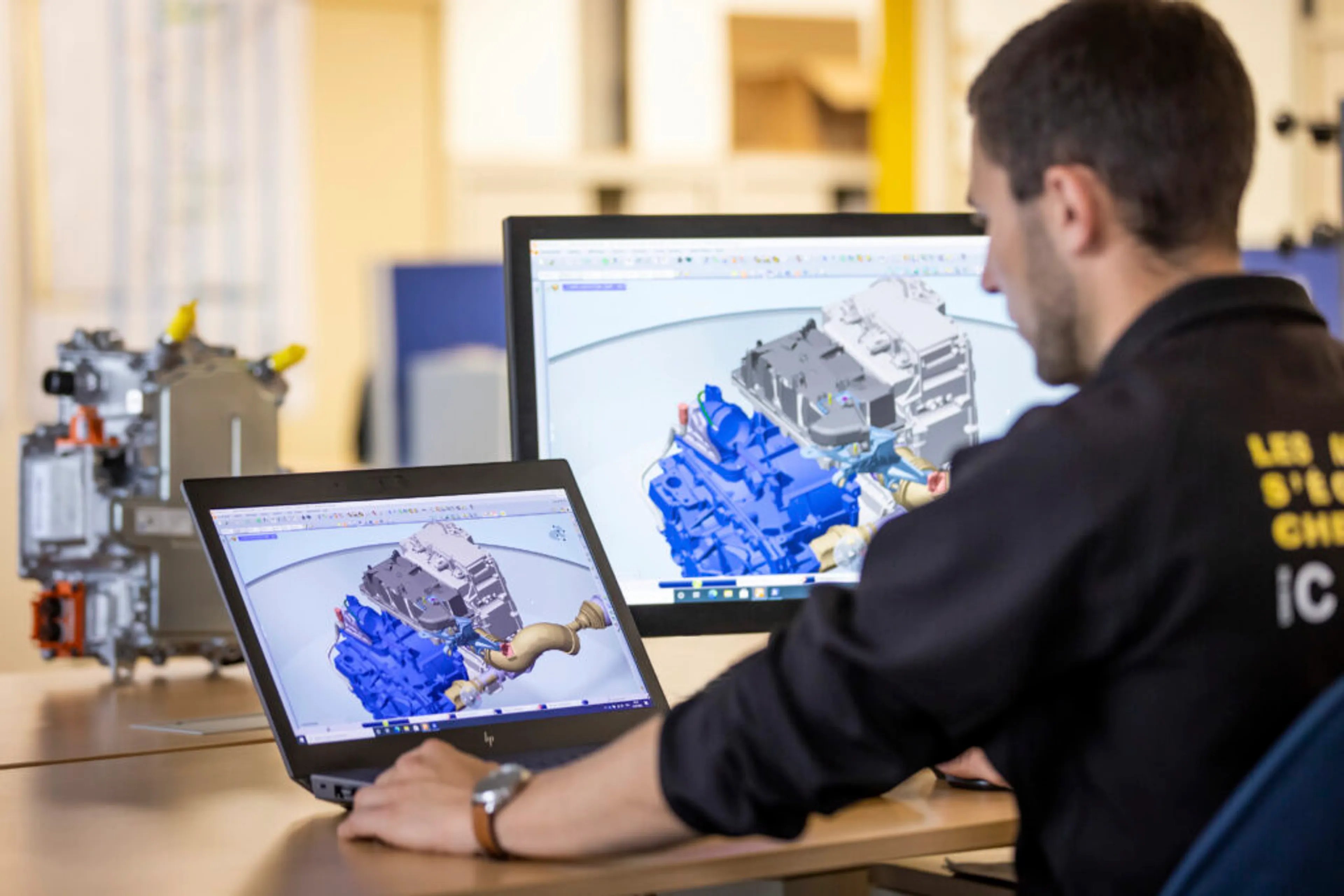
Renault’s experience matters because motor design is not only a CAD problem. The hard parts live in the messy details: rotor balance, insulation systems, thermal paths, noise and vibration, inverter integration, rare fault modes, and repeatable manufacturing. A motor that looks attractive in a prototype can become less attractive after 200,000 units, hot-weather towing, winter fast charging, bearing wear, coolant leaks, and warranty analytics.
That is why Renault’s production history is more relevant than the marketing phrase around the motor. The company has shipped EESM motors through multiple vehicle generations. The first-generation 5A family ranged from 57 to 100 kW. The 6A generation moved into more modern EVs, with versions up to 160 kW. The Renault 5 E-Tech Electric uses the 6AK motor at up to 110 kW, while the Alpine A390 configuration described by Renault combines a front 6AM motor with a rear twin-motor setup for about 345 kW combined output.
Those are not laboratory claims. They are product-line claims. The E7A appears to be the next attempt to close the gap with magnet motors on size and efficiency while keeping the supply-chain benefit. If the 30% shrink is real at production scale, that is the most concrete engineering claim in the announcement.
Why this matters beyond Renault
EV motor choices are becoming less ideological and more application-specific. Permanent-magnet synchronous motors remain attractive for compact, efficient main drive units. Induction motors can work well where magnet-free design is useful, especially as secondary motors that do not always need to be energized. Wound-rotor synchronous motors sit between those poles: better field control than a permanent magnet, no rare-earth magnets, but more complexity than either a simple magnet rotor or a basic induction rotor.
Tesla, BMW, Mercedes-Benz, Renault, and many suppliers have all made different bets across models and generations. That variation is healthy. EVs do not need one winning motor architecture. A city car, a long-range crossover, a performance sedan, and an all-wheel-drive utility vehicle have different duty cycles. The best motor is the one that makes sense in the full system.
For Renault, the full system includes European manufacturing. The Cléon plant is not a footnote. Keeping motor production in-house gives Renault tighter control over design changes, ramp-up, supplier qualification, and cost learning. It also supports the company’s broader Ampere EV strategy, even if Renault’s article is mainly about motor technology rather than vehicle platforms.
The rare-earth angle is more than branding. China’s position in rare-earth processing and magnet production creates a real dependency for global automakers. Reducing that dependency does not require eliminating rare earths from every EV, but having credible high-volume alternatives changes procurement risk. A permanent-magnet motor may still be the better engineering choice in many vehicles. The point is to avoid making it the only viable choice.
Limitations
The main limitation is that Renault gives selected specs, not a full technical evaluation. A claimed efficiency of around 92% needs context. Motor efficiency varies with rpm, torque, temperature, inverter behavior, and drive cycle. Peak efficiency can look impressive while average efficiency in real use tells a more complicated story. A proper comparison would show efficiency maps for the E7A against Renault’s current 6A motor and against a comparable permanent-magnet unit.
The 30% smaller claim also needs a denominator. Smaller than which previous-generation motor, measured by volume, mass, length, active material, or installed package? A motor can shrink while the inverter, cooling system, gearbox, or excitation hardware grows. Vehicle-level packaging is what matters.
The carbon-impact reduction claim is similarly under-specified. Removing rare-earth magnets can reduce some upstream impacts, but the total lifecycle result depends on copper content, steel grade, manufacturing energy, inverter requirements, vehicle efficiency, battery size, and recycling pathway. Without a published lifecycle assessment boundary, the 30% figure should be treated as a company-reported target rather than an independently verified benchmark.
The 800 V shift deserves the same caution. Higher voltage can help charging, but it does not guarantee short charge stops. Many 800 V cars still vary widely in charge performance because pack design dominates the curve. Renault says the new motor will help reduce charging times because the system voltage rises to 800 V. That is directionally credible, but the motor is only one part of the charging stack.
There is also a performance question that does not show up in peak kW. Wound-rotor machines must manage rotor excitation under transient load. How quickly the field can be adjusted, how much heat builds in the rotor, and how the system behaves during repeated acceleration or high-speed cruising all matter. If the E7A delivers its 200 kW only briefly, it may be less impressive than the number suggests. If it sustains strong output with low losses, Renault has a more serious result.
The bottom line
Renault’s rare-earth-free motor story is credible because it builds on shipped products rather than only a concept render. The company has been using EESM motors since the Zoe era, and the next-generation E7A targets the exact weaknesses that usually make wound-rotor designs harder to sell: size, efficiency, system voltage, and manufacturing economics.
The skeptical reading is that Renault has not yet published enough data to prove the E7A is superior to a modern permanent-magnet motor on vehicle-level efficiency, cost, or sustained performance. The stronger reading is that it may not need to be superior on every metric. If it gets close enough while reducing rare-earth exposure, that is a meaningful engineering and supply-chain trade.
For buyers, the practical outcome will be simple: range, charging speed, reliability, price, and driving feel. For engineers and suppliers, the more interesting signal is that rare-earth-free traction motors are not just a fallback technology. Renault is treating them as a primary architecture for future EVs, and the 2027 E7A will show whether that bet can keep pace with the magnet-heavy designs that dominate the market today.
Comments
Please log in or register to join the discussion