
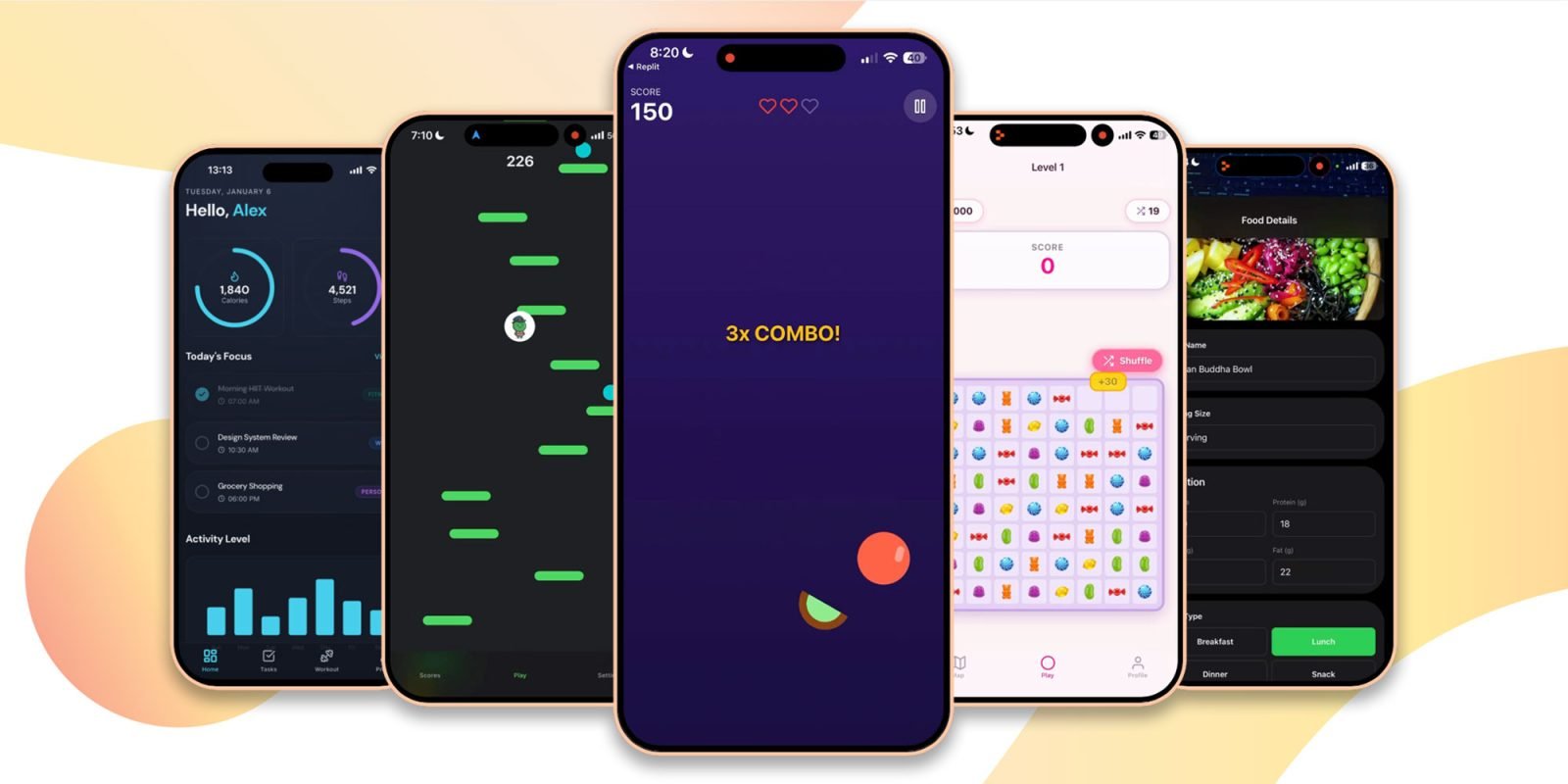
Replit's new Mobile Apps platform lets anyone describe an app idea and generate a working React Native prototype in minutes, complete with QR code testing on iPhones. While the barrier to entry for app creation has never been lower, the platform's transparency and direct code access reveal the fundamental challenges that remain for turning a vibe-coded prototype into a maintainable, store-ready product.
Replit has launched a new tool called Mobile Apps by Replit that promises to let anyone create a functional iOS app by simply describing what they want. The platform generates a React Native application based on a natural language prompt, then provides a QR code for immediate testing on an iPhone. This approach, which Replit calls "vibe coding," aims to eliminate the traditional entry barriers of learning specialized stacks, wrestling with Xcode, managing certificates, and navigating App Store submission workflows.
The choice of React Native is strategic. Replit's CEO and co-founder, Amjad Masad, was part of the team that originally developed React Native while at Facebook. This background likely informs the platform's architecture, which prioritizes cross-platform compatibility and a web-native development experience. The entire app creation process is rendered transparent within Replit's interface, allowing users to watch as the platform builds the app, runs tests, identifies bugs, and applies fixes. This visibility is a key differentiator from other AI-assisted coding tools that operate as black boxes.
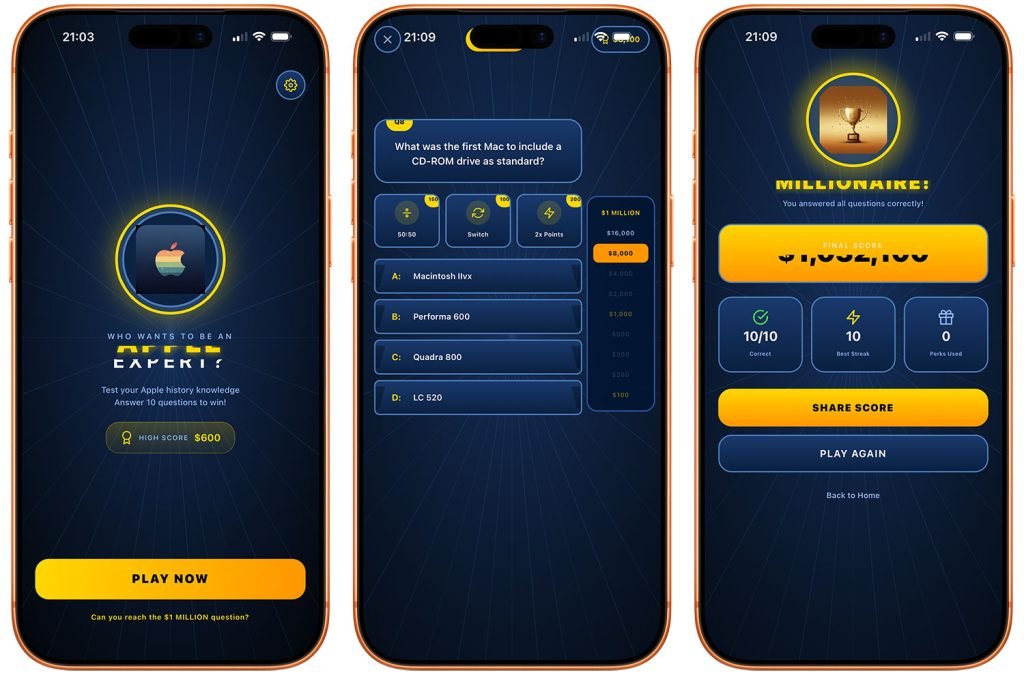
In a practical test, a request for an "Apple history trivia game in the style of Who Wants To Be a Millionaire" took the platform approximately eight minutes to generate an initial build. Subsequent iterations to refine the app required about ten minutes each. The result was a functional, if imperfect, application. While it wouldn't be ready for the App Store without significant refinement, the capability to produce a working prototype in under twenty minutes represents a tangible shift in what's possible for non-developers. The platform allows for iterative refinement through natural language requests, but developers also have the option to step in and edit the generated code directly.
The platform's most significant feature—and its most significant caveat—is the direct path to App Store publication. Once a user is satisfied with their app, they can publish it to the App Store, provided they have an active Apple Developer account (which costs $99 per year). This is where the promise of "vibe coding" meets the reality of software maintenance. An app that exists in the wild requires ongoing support, bug fixes for edge cases, and updates to comply with Apple's evolving guidelines. The bar for creating an app has been lowered, but the bar for maintaining a professional, store-ready product remains unchanged.

This distinction is critical. For hobbyists, educators, or those looking to create a personal pet project, Mobile Apps by Replit offers a compelling sandbox. It's an excellent tool for prototyping ideas, teaching basic app concepts, or creating a fun weekend project for family. The platform effectively demystifies the initial stages of app development, making the process more accessible and less intimidating.
However, treating a vibe-coded application as a professional product is fraught with risk. The generated code, while functional, may not adhere to best practices for performance, security, or scalability. User data handling, a critical concern for any app, must be carefully evaluated. The platform's transparency is a double-edged sword: it shows you how the app is built, but it doesn't automatically instill the engineering judgment needed for production software.

The broader context here is the ongoing evolution of development tools. Platforms like Replit are part of a larger trend toward abstracting complexity and empowering a wider audience to build software. Similar to how website builders democratized web presence, AI-assisted coding platforms are democratizing app creation. Yet, just as a website builder template isn't equivalent to a custom-built, optimized web application, a vibe-coded app is not a substitute for a thoughtfully engineered one.
For developers, Mobile Apps by Replit presents an interesting tool for rapid prototyping and client demonstrations. The ability to quickly visualize an idea and iterate on it with a non-technical stakeholder could streamline certain parts of the development process. The direct code access means that the generated app can serve as a starting point for a more robust, custom-built project.
Ultimately, Mobile Apps by Replit is a powerful demonstration of how AI and cloud-based development environments are reshaping the software creation landscape. It successfully lowers the initial barrier to entry, making app development more approachable than ever before. But it also serves as a reminder that the journey from a creative idea to a stable, maintainable product is a marathon, not a sprint. The platform gets you to the starting line, but the race itself still requires discipline, skill, and a deep understanding of the ecosystem you're building for.
To explore the platform and its capabilities, you can visit the official Mobile Apps by Replit page.
Comments
Please log in or register to join the discussion