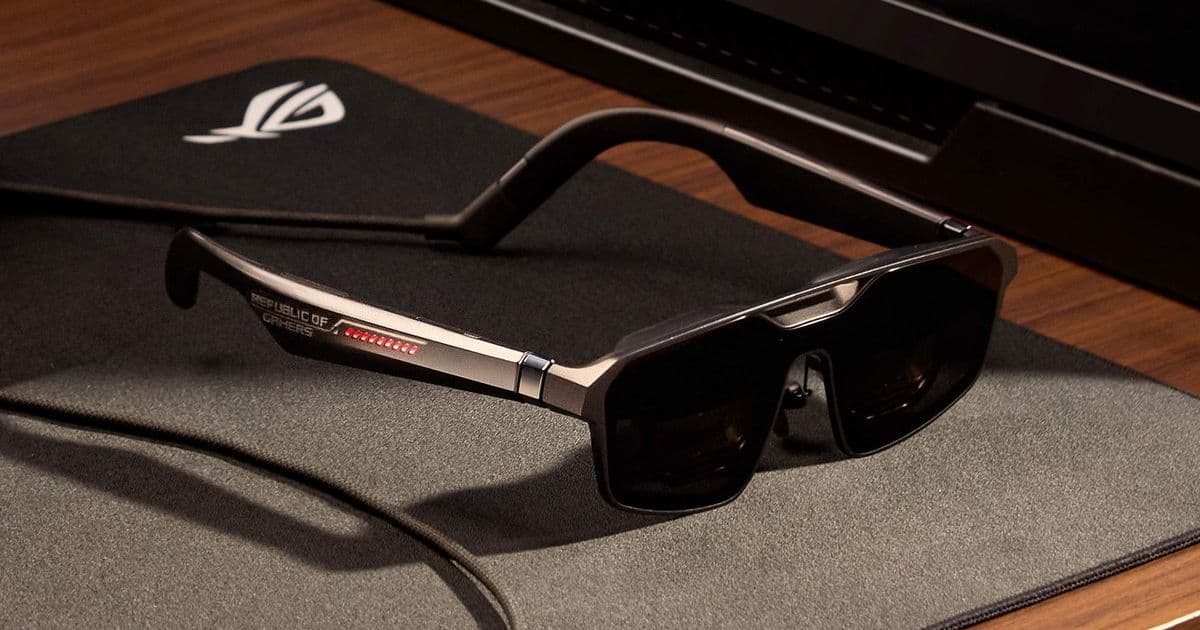
Asus and Xreal have partnered to launch the ROG Xreal R1 gaming AR glasses with a premium $849 price tag, offering the first commercially available 240Hz micro OLED displays, enhanced gaming features, and a comfortable design for immersive gaming experiences.
The ROG Xreal R1 gaming AR glasses have officially hit pre-order with a significant price premium compared to standard AR glasses. Co-developed by Asus and Xreal, these specialized gaming AR glasses retail for $849, positioning them as a high-end option in the growing AR market. To put that price in perspective, Xreal's own top-tier One Pro model retails for $649, with frequent discounts bringing it down to $599. This substantial price difference begs the question: what exactly justifies the premium for gamers?
The standout feature of the ROG Xreal R1 is its display technology. These glasses boast the first commercially available 240Hz refresh rate micro OLED displays in the AR space. For context, non-gaming-focused AR glasses typically max out at 120Hz, making the R1's 240Hz specification a significant leap forward. Xreal claims an impressive response time of 0.01ms, which theoretically should deliver exceptionally fluid motion with minimal ghosting or blur - critical factors for fast-paced gaming where visual clarity can impact performance.
The virtual screen size offered by the ROG Xreal R1 is 171 inches, which might not sound impressive when compared to some competitors. The Rayneo Air 4 Pro, for instance, offers up to a 201-inch virtual display at a significantly lower price point of $254.15. However, screen size isn't the only factor in creating an immersive experience. The R1 glasses feature a relatively wide 57° field of view, which should contribute to a more encompassing visual experience than narrower alternatives.
In terms of display quality, the ROG Xreal R1 incorporates electrochromic lens technology with three tint levels to help isolate the view from surrounding ambient light. This feature could be particularly valuable for gamers who need to maintain focus during intense gaming sessions. However, the peak brightness rating of 700 nits is somewhat modest when compared to last-gen alternatives like the RayNeo Air 3S Pro, which boasts 1,200 nits of peak brightness. This might be a consideration for gamers who frequently play in brightly lit environments.
Beyond the display, Asus and Xreal have integrated several gaming-centric features that distinguish the R1 from standard AR glasses. The included ROG dock features a built-in signal switch, allowing for seamless transitions between different display sources - a practical feature for gamers who might switch between a PC, console, or mobile device. The glasses also feature an anchor mode with native 3 DoF (degrees of freedom), which should enhance spatial awareness and interaction capabilities in AR gaming environments.
Comfort is another area where the ROG Xreal R1 appears to focus attention, with an adjustable design intended for extended gaming sessions. The partnership extends to audio as well, with the glasses incorporating "Sound by Bose" technology, suggesting a commitment to high-quality audio to complement the visual experience.
For gamers considering this premium AR option, the value proposition comes down to several factors. The 240Hz refresh rate and 0.01ms response time could provide a competitive advantage in fast-paced games where motion clarity is crucial. The gaming-specific features like the ROG dock's signal switching and the anchor mode with 3 DoF functionality are tailored specifically to gaming needs that standard AR glasses don't address.
However, the substantial price difference of $200-$300 compared to Xreal's own One Pro (and even more when compared to competitors like the Rayneo Air 4 Pro) requires careful consideration. Gamers must weigh whether the gaming-specific enhancements and higher refresh rate justify the premium cost for their particular use case.
The ROG Xreal R1 represents an interesting entry into the gaming AR space, pushing display technology forward with its 240Hz micro OLED panels while also addressing specific gaming needs through dedicated features. As AR technology continues to evolve, products like the R1 help establish what gamers can expect from future generations of AR gaming hardware.
For those interested in learning more about the ROG Xreal R1 glasses, you can check out the official product page on the Xreal shop where the glasses are available for pre-order. Additionally, for a more hands-on look, there's a demonstration video available that showcases the glasses in action.
Comments
Please log in or register to join the discussion