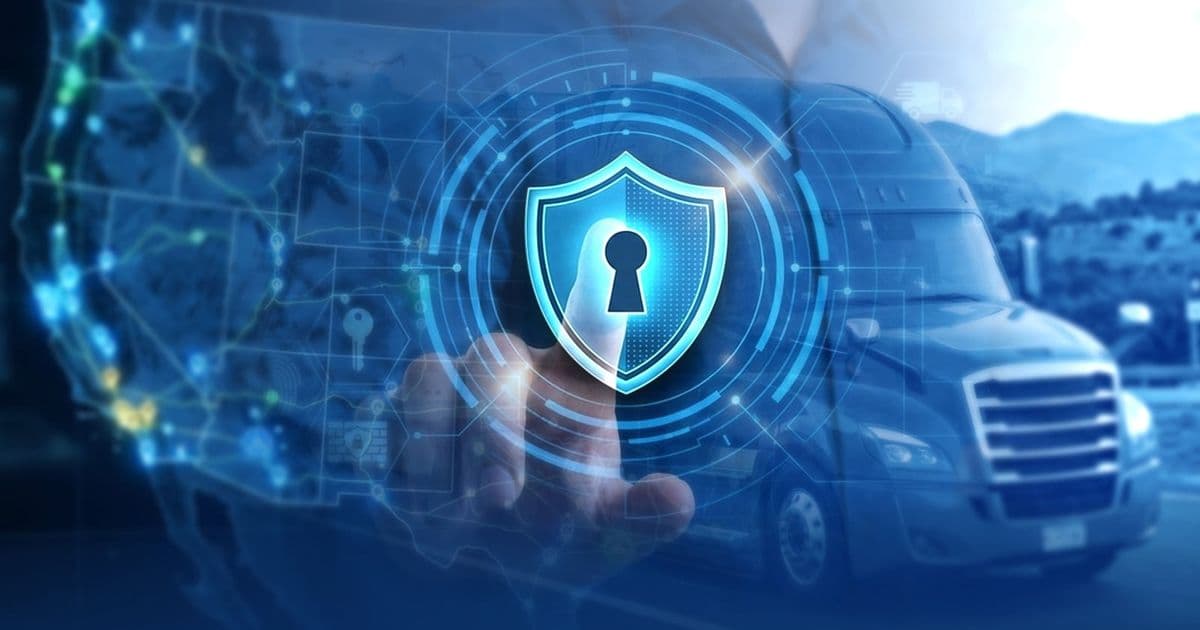
The transportation sector faces unique cybersecurity challenges as trucks become mobile networks with multiple attack surfaces. From ransomware targeting critical supply chains to cyber-enabled cargo theft, the industry must adapt traditional security practices to protect both rolling assets and enterprise systems.
When most people see an 80,000-pound truck barreling down the highway at 65 miles per hour, cybersecurity is likely the last thing on their minds. Yet these massive vehicles are essentially rolling networks, packed with communications systems, onboard sensors, cloud-connected devices, and Wi-Fi signals. Each of these components represents a potential attack surface that cybercriminals are increasingly targeting.
The transportation sector forms the backbone of critical infrastructure in North America. Trucks deliver fuel to power stations, medicine to hospitals, food to grocery stores, and fuel to gas stations. The stark reality is that without trucks, many of these essential supplies would run out within three days. This creates enormous pressure on trucking and logistics companies to maintain 100% uptime, making them prime targets for ransomware and extortion attacks.
Atypical Threat Vectors
The cybersecurity threats in transportation extend far beyond traditional cyberattacks. Cyber-enabled cargo criminals have developed sophisticated methods that combine digital attack techniques with physical theft. According to a recent Verisk CargoNet study, cargo theft losses exceeded $725 million in 2025 alone.
These criminals exploit vulnerabilities across operational security, physical security, and cybersecurity with remarkable precision. They impersonate legitimate brokers and carriers, steal credentials from freight booking sites (commonly known as "load boards"), and deceive shippers and freight brokers into releasing cargo to criminals posing as legitimate truck drivers.
Consider the theft of over $1 million worth of Guy Fieri's special edition tequila last fall. Organized criminals built trust with a freight broker by legitimately hauling multiple loads. Once trust was established, they targeted a high-value shipment by spoofing GPS signals from onboard tracking devices, successfully diverting two entire truckloads of rare tequila to their own facilities before the theft was even detected.
Many legitimate drivers unknowingly become accomplices when they're duped into hauling cargo to warehouses operated by criminals using stolen digital identities of legitimate freight brokers. Once delivered, the freight is broken down into numerous shipments and resold through unsuspecting customers, black markets, or even "Amazon-like" storefronts.
The Good News Story
Despite these sophisticated threats, there's reason for optimism. Because traditional cyberattack techniques remain the primary attack vector, core cybersecurity hygiene practices can significantly reduce risk for trucking organizations. Established frameworks like NIST RMF, ISO 27001, and CIS Controls apply directly to this sector.
Multi-factor authentication, network segmentation, social engineering awareness training, and strict patching schedules are all familiar controls that work effectively. However, the transportation sector presents unique challenges. The vast majority of registered trucking and logistics companies qualify as small businesses or are even single-owner operators. This makes adopting comprehensive security standards and achieving a hardened cybersecurity posture particularly challenging.
This reality has driven the development of trucking-specific adaptations of these controls, tailored to various company scales within the sector. These resources are now freely available to the industry and are helping to move the needle in the right direction.
Industry Collaboration and Innovation
The cybersecurity team at the National Motor Freight Traffic Association, Inc.® (NMFTA)® has been at the forefront of addressing these challenges through research, development, education, and collaboration opportunities. What began over a decade ago with security research into physical "rolling assets" (trucks and trailers) and deep dives into telematics systems and electronic logging devices (ELDs) has evolved into a comprehensive approach to transportation cybersecurity.
NMFTA has expanded its focus to include enterprise security, providing cybersecurity education, resources, and technical guides to help reduce the risk of cyber-enabled cargo crime. Their annual conference brings together security practitioners, decision-makers from across the transportation sector, and vendors who provide essential security tools. This unique gathering facilitates the sharing of lessons learned, discussion of tools and techniques, and strategies for securing emerging technologies.
The Road Ahead
The cyber threats facing the transportation sector are real and complex. Through collaboration, research, and dedicated effort, this essential backbone of society is rising to the challenge with the help of committed cybersecurity professionals. Like many industries, transportation is racing to stay one step ahead of cybercriminals intent on causing harm, while simultaneously dealing with emerging technologies that open up new threat vectors.
Having worked in this industry for over two decades, I'm optimistic about the future. When I see a truck rolling down the highway now, I see more than just a vehicle—I see the leading edge of an industry actively confronting and adapting to the latest cybersecurity challenges.
Join security practitioners, motor carriers, and technology leaders at this year's NMFTA conference to collaborate, share insights, and stay ahead of the evolving cyber threats facing the transportation sector. The conference takes place September 29 through October 2, 2026, in Long Beach, CA, offering real-world insights and strategies to protect connected freight systems.
Sponsored and written by NMFTA.
Comments
Please log in or register to join the discussion