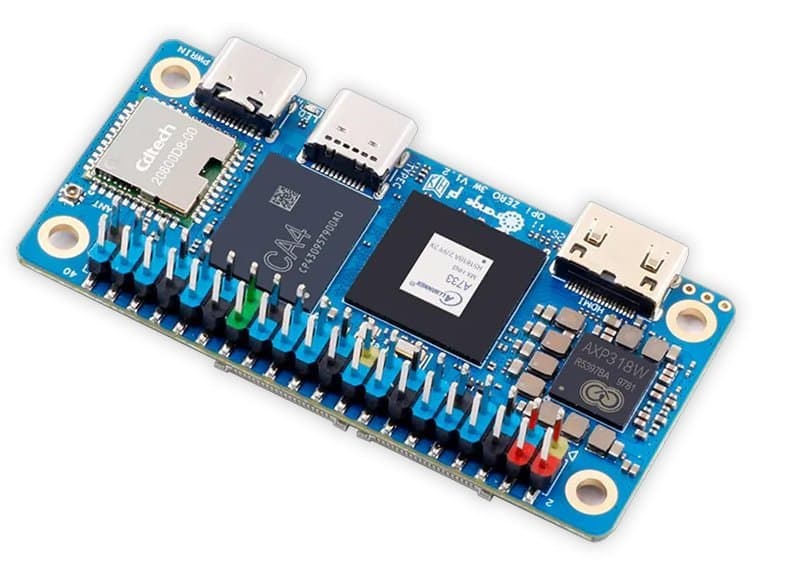
Orange Pi's latest single-board computer crams an Allwinner A733 processor, up to 16GB LPDDR5 memory, and PCIe 3.0 support into a tiny 65 x 32mm form factor that rivals the Raspberry Pi Zero 2 W.
The Orange Pi Zero 3W is a tiny computer that measures just 65 x 32mm (2.56" x 1.26"), bearing a striking resemblance to a Raspberry Pi Zero 2 W. But Orange Pi's version supports far more RAM, faster WiFi, and an FPC interface for PCIe 3.0 x1 add-ons.
Powered by an Allwinner A733 processor, the Orange Pi Zero 3W supports up to 16GB of LPDDR5-4800 memory. Along with a microSD card reader, it also supports up to 32GB of onboard eMMC flash storage or 128GB of UFS 3.0 storage.
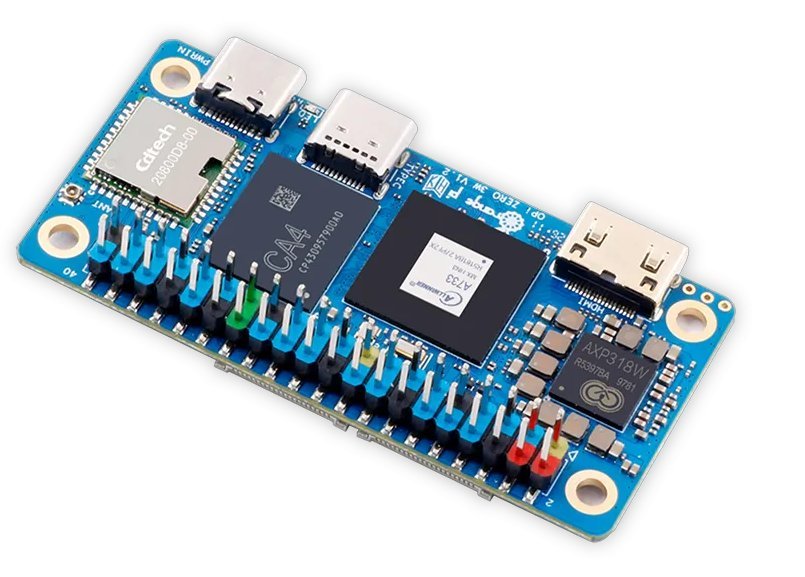
Allwinner's A733 chip features an octa-core CPU with two Arm Cortex-A76 performance cores and eight Cortex-A55 efficiency cores plus a Xuantie E902 RISC-V real-time core. There's an Imagination BXM-4-64 MC1 GPU and an NPU with up to 3 TOPS of AI performance.
Entry-level models have as little as 1GB of RAM and no onboard storage, but Orange Pi says the system is also available with 2GB, 4GB, 8GB, or 12GB of RAM.
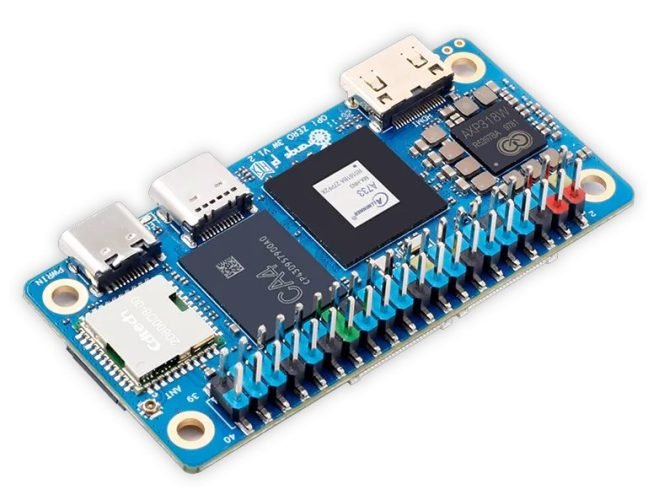
Ports and connectors include:
- 1 x USB 3.1 OTG Type-C (with DisplayPort Alt Mode)
- 1 x USB 2.0 Type-C (5V/3A power input)
- 1 x mini HDMI 2.0
- 1 x 4-lane MIPI-DSI (display interface)
- 2 x 4-lane MIPI-CSI (camera interface)
- 1 x PCIe Gen 3 x1 FPC connector
- 1 x 40-pin GPIO header
The single board computer also has a 2-pin fan interface and built-in support for WiFi 6 and Bluetooth 5.4 LE wireless connections. Orange Pi says the board can power up to two displays if you use the HDMI and USB-C ports.
For software, the company says the board supports Android, OpenHarmony, and several GNU/Linux distributions including Ubuntu and Debian. Prices are expected to range from around $25 for an entry-level model to $100+ for versions with 12GB of RAM or more.
One strange thing about this tiny computer? It doesn't look much like the similarly-named Orange Pi Zero 3 that launched in 2023. That model measures 55 x 50mm (2.2" x 2") and has an Allwinner H618 processor, up to 4GB of RAM, and support for WiFi 5 and Bluetooth 5. And instead of a 40-pin Raspberry Pi-like GPIO header, it has 26-pin and 13-pin headers.
One feature the older model has that the one lacks though? A Gigabit Ethernet port.
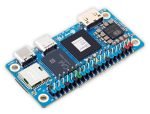
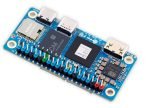
The Orange Pi Zero 3W represents a significant leap in performance and connectivity for tiny SBCs, particularly with its PCIe 3.0 support which opens up possibilities for high-speed storage and expansion cards. The combination of the A733's powerful CPU configuration, substantial RAM options up to 16GB, and modern connectivity options like WiFi 6 and Bluetooth 5.4 makes this an intriguing option for embedded applications, edge computing, and DIY projects where space is at a premium but performance can't be compromised.
The inclusion of PCIe 3.0 x1 via FPC connector is particularly noteworthy, as this allows users to add high-speed peripherals like NVMe SSDs, which could transform this tiny board into a capable edge computing device. The support for UFS 3.0 storage up to 128GB also provides fast internal storage options without requiring external expansion.
While the lack of Ethernet might be a drawback for some use cases, the WiFi 6 support and multiple display output options (HDMI plus USB-C with DisplayPort Alt Mode) provide flexible connectivity for various deployment scenarios. The broad software support across Android, OpenHarmony, and multiple Linux distributions ensures developers can choose the operating system that best fits their project requirements.
Comments
Please log in or register to join the discussion