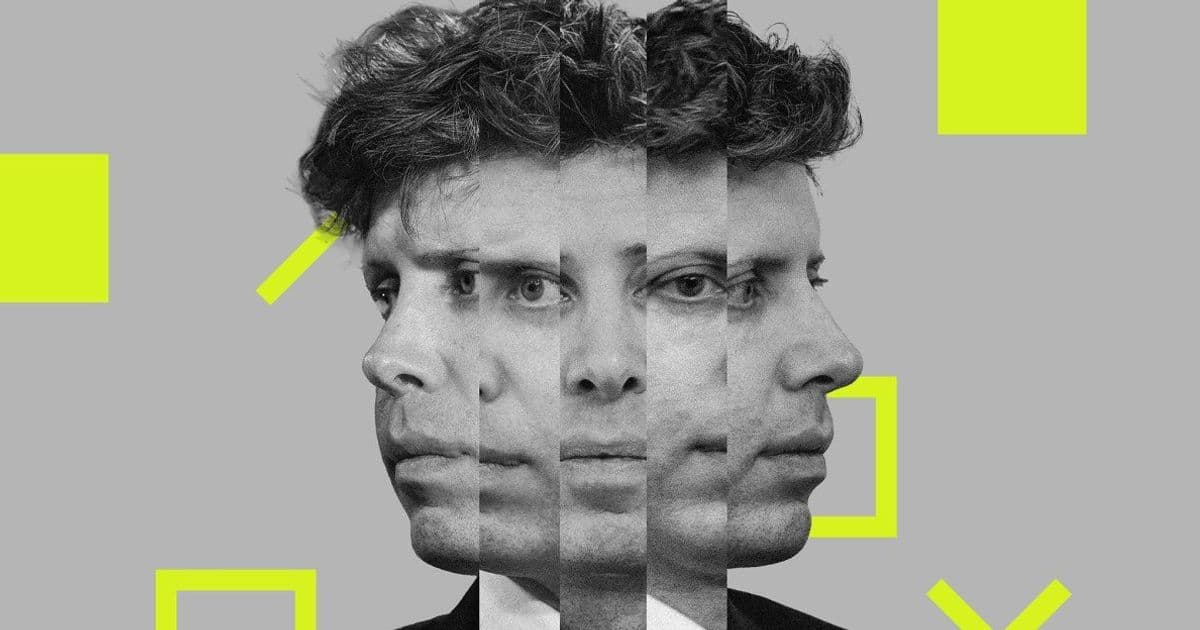
The New Yorker's Ronan Farrow discusses his 18-month investigation into Sam Altman and OpenAI, revealing how Altman evolved during the reporting process, the behind-the-scenes board conflicts, and OpenAI's strategic pivot toward enterprise customers.
Ronan Farrow, the Pulitzer Prize-winning investigative journalist known for his reporting on Harvey Weinstein and other high-profile stories, has turned his attention to Sam Altman and OpenAI in a new profile for The New Yorker. In a conversation with Nilay Patel on Decoder, Farrow discusses the 18-month reporting process, how Altman changed during that time, the internal board drama, and OpenAI's strategic shift toward enterprise customers.
The 18-Month Reporting Journey
Farrow's profile of Sam Altman represents one of the most comprehensive looks at OpenAI's leadership and the company's evolution. The reporting process spanned 18 months, during which Farrow conducted numerous interviews and gained unprecedented access to Altman and other key figures at OpenAI.
"What struck me most was how much Sam Altman changed during the reporting process," Farrow told Patel. "When I first started, he was very much in the mode of the visionary AI leader, talking about artificial general intelligence and the future of humanity. By the end, he was much more focused on the practical realities of running a business and serving enterprise customers."
This transformation mirrors OpenAI's own evolution from a research-focused nonprofit to a commercial enterprise. The company has increasingly pivoted toward enterprise customers, with products like ChatGPT Enterprise and API services for businesses.
The Board Drama
One of the most revealing aspects of Farrow's reporting centers on the internal conflicts within OpenAI's board. The company has faced multiple leadership crises, including Altman's temporary ouster in November 2023, which Farrow explores in detail.
"The board drama wasn't just about personalities," Farrow explained. "It was about fundamental disagreements over the company's direction. Some board members were deeply concerned about the speed of commercialization and the potential risks of releasing powerful AI systems without adequate safety measures."
These tensions reflect broader debates within the AI community about the balance between innovation and safety. OpenAI was founded as a nonprofit with a mission to ensure that artificial general intelligence benefits all of humanity, but the company's commercial success has created new pressures and priorities.
Altman's Evolution
Throughout the reporting process, Farrow observed significant changes in Altman's public persona and leadership style. "Early on, Sam was very much the prophet of AI, talking about AGI and the singularity," Farrow said. "But as the months went on, he became more pragmatic, more focused on the here and now of building a sustainable business."
This shift aligns with OpenAI's strategic pivot toward enterprise customers. The company has launched products specifically designed for business use, including ChatGPT Enterprise, which offers enhanced security and administrative controls for organizations.
"The enterprise shift represents a fundamental change in OpenAI's identity," Farrow noted. "It's no longer just about pushing the boundaries of AI research; it's about delivering practical value to businesses."
The Safety Debate
A central theme in Farrow's reporting is the tension between OpenAI's original mission of safe AI development and the commercial pressures of running a successful business. This debate has intensified as AI systems become more powerful and widely deployed.
"There are people within OpenAI who believe that the company has compromised its safety principles in pursuit of growth," Farrow said. "Others argue that commercialization is necessary to fund the research that will ultimately lead to safe AGI."
This debate mirrors broader discussions in the AI community about the appropriate pace of development and deployment. Some researchers advocate for a more cautious approach, while others argue that the benefits of AI outweigh the risks.
The Future of OpenAI
Looking ahead, Farrow sees OpenAI at a critical juncture. "The company has achieved remarkable commercial success, but it faces significant challenges," he said. "Maintaining its research edge while serving enterprise customers, managing safety concerns, and navigating internal conflicts will require skillful leadership."
Altman's evolution during Farrow's reporting suggests he's aware of these challenges. "He's become more strategic, more focused on execution," Farrow observed. "But whether that's enough to guide OpenAI through the coming years remains to be seen."
The Broader Context
Farrow's profile comes at a time of intense competition in the AI industry. Companies like Anthropic, Google, and Meta are all racing to develop more powerful AI systems, while startups are finding new applications for existing technology.
"The AI landscape is changing rapidly," Farrow noted. "OpenAI was once the clear leader, but now it faces serious competition. Its ability to maintain its position will depend on its ability to innovate while managing the various pressures it faces."
Conclusion
Ronan Farrow's 18-month investigation into Sam Altman and OpenAI provides a rare glimpse into the inner workings of one of the most important companies in the AI industry. His reporting reveals a company in transition, grappling with the challenges of commercialization, safety, and leadership.
As OpenAI continues to evolve, the questions Farrow raises about its direction and priorities will remain relevant. The company's ability to balance its research ambitions with commercial realities, while maintaining its commitment to safety, will likely determine its future success.
The full profile in The New Yorker offers much more detail on these issues, providing essential reading for anyone interested in the future of AI and the companies shaping it.
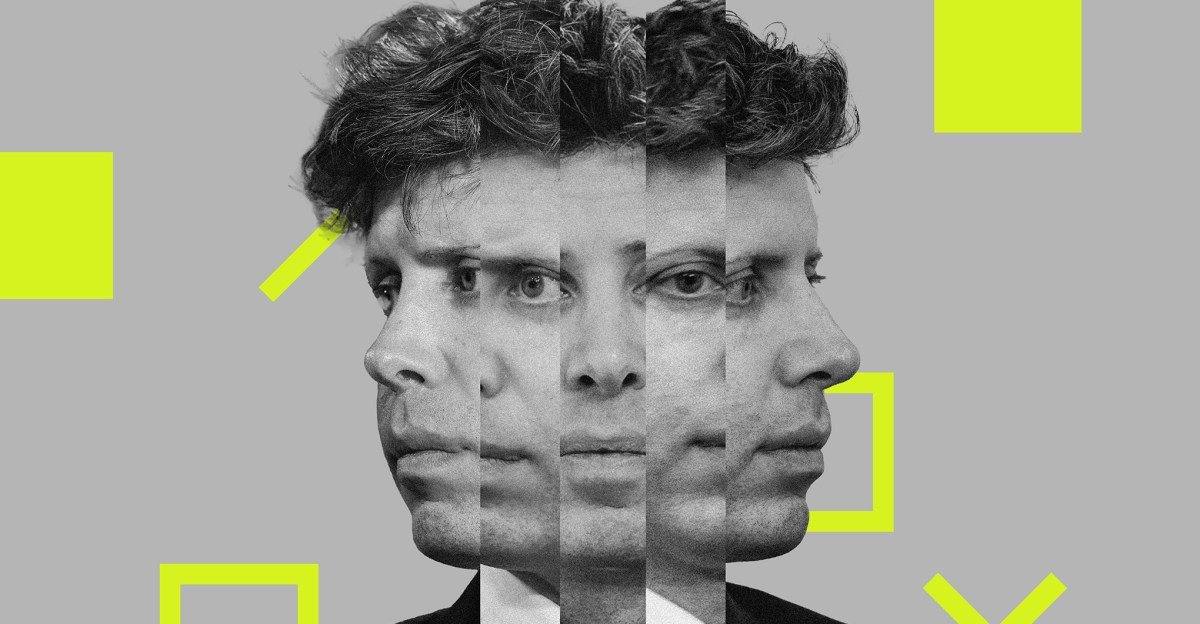
The featured image shows Sam Altman, CEO of OpenAI, highlighting the central role he plays in the company's evolution and the broader AI industry.
Comments
Please log in or register to join the discussion