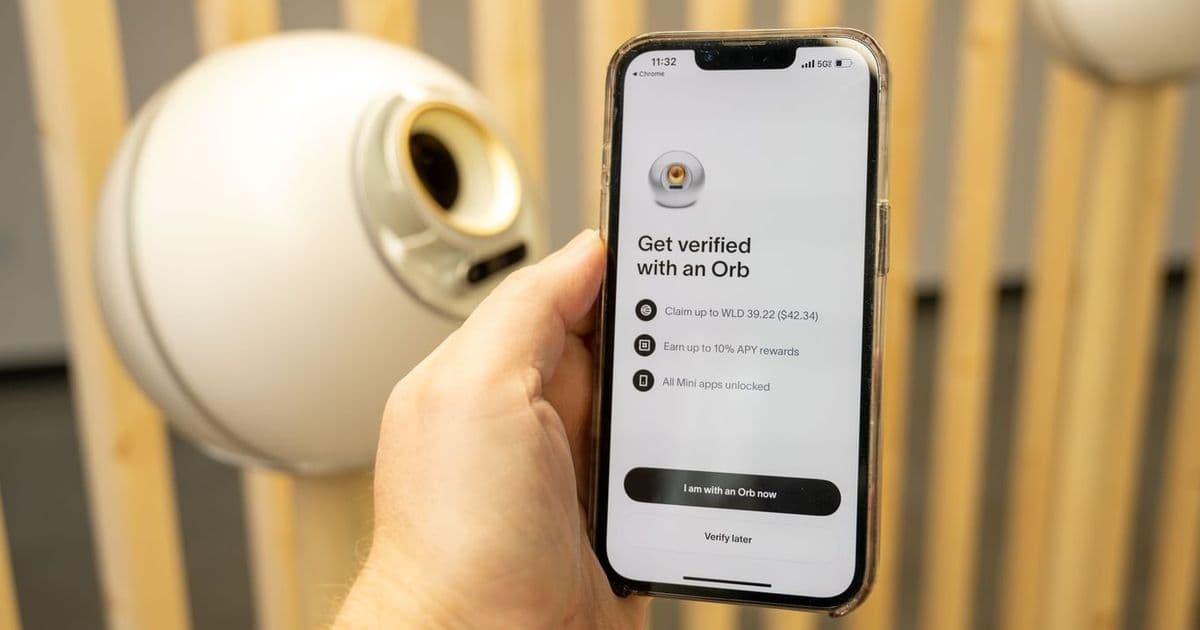
World, the company behind Worldcoin, has partnered with major tech platforms including Zoom and Tinder to verify human users through biometric iris scanning technology.
Sam Altman's World, the company behind the controversial Worldcoin cryptocurrency project, has announced partnerships with major tech platforms including Zoom and Tinder to verify human users through biometric iris scanning technology.
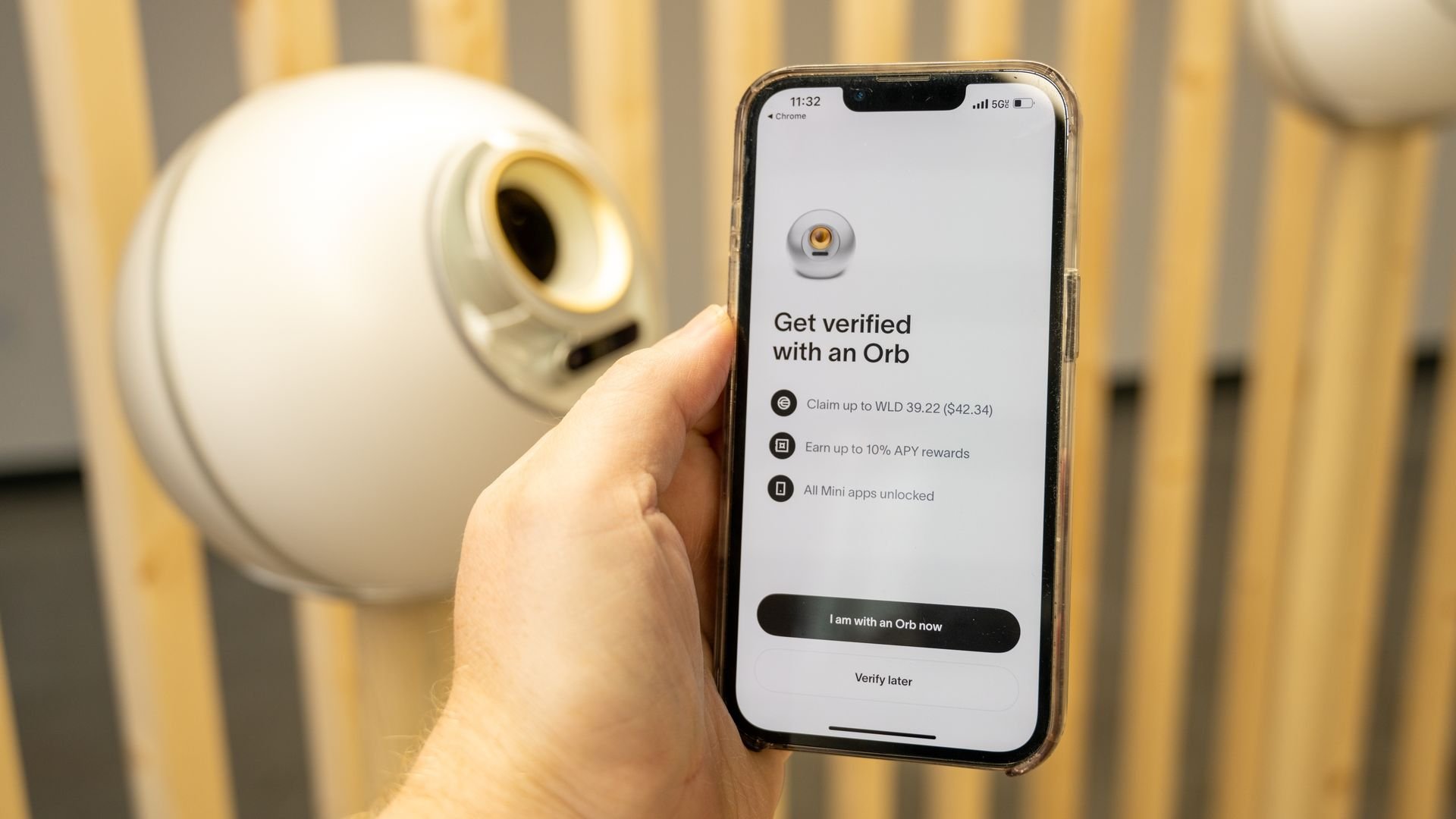
The initiative, dubbed "proof of human," aims to distinguish between real people and AI-powered bots as artificial intelligence becomes increasingly sophisticated at mimicking human behavior online. Users can verify their humanity through World's orb scanning device, which captures iris patterns to create a unique digital identifier.
"As AI becomes more advanced, proving that you're a real human online is becoming increasingly important," said Alex Blania, co-founder and CEO of World. "Our technology provides a privacy-preserving way to verify personhood without revealing personal identity."
How the verification works
Users who want to verify their humanity must visit one of World's orb scanning stations, where a spherical device captures an image of their iris. This biometric data is converted into a unique code that serves as proof of personhood without storing the actual iris image.
The verified status can then be used across partnered platforms to access features or prove authenticity. For Zoom, this could mean enhanced security for video calls, while Tinder could use it to reduce fake profiles and bot accounts.
Market context and implications
Worldcoin, launched in 2021, has faced scrutiny over its data collection practices and the potential for misuse of biometric information. The project has scanned millions of irises worldwide, offering cryptocurrency rewards in exchange for verification.
Despite privacy concerns, the company has attracted significant investment, including backing from Andreessen Horowitz and a valuation of approximately $3 billion as of 2023. The new partnerships with established tech platforms could accelerate mainstream adoption of World's verification system.
Industry analysts note that as AI-generated content and automated accounts proliferate, demand for reliable human verification systems is growing. "This is part of a broader trend toward digital identity solutions," said Sarah Johnson, a technology analyst at Forrester Research. "Companies are looking for ways to maintain trust in their platforms as the line between human and AI-generated content blurs."
What this means for users
For everyday users, the partnerships could mean:
- Reduced spam and bot accounts on dating apps like Tinder
- Enhanced security for video conferencing on platforms like Zoom
- Potential access to exclusive features or services reserved for verified humans
- Concerns about biometric data privacy and security
Critics argue that centralizing human verification through a single company raises significant privacy and security risks. "Putting all your eggs in one basket when it comes to digital identity is dangerous," warned privacy advocate Edward Snowden in a 2022 interview. "If that system is compromised, the consequences could be severe."
The broader landscape
The move comes amid growing concerns about AI-generated content and automated accounts across social media and other digital platforms. Companies like Meta, Twitter, and LinkedIn have all implemented various verification systems, but none have achieved the same level of biometric specificity as World's iris scanning technology.
As the digital world grapples with questions of authenticity and trust, World's partnerships with Zoom and Tinder represent a significant step toward mainstream adoption of biometric verification systems. Whether users will embrace or reject this technology remains to be seen, but the debate over digital identity and privacy is likely to intensify as AI continues to advance.
The success of these partnerships could determine whether World's "proof of human" becomes a standard feature of online interaction or remains a niche solution for specific use cases.
Comments
Please log in or register to join the discussion