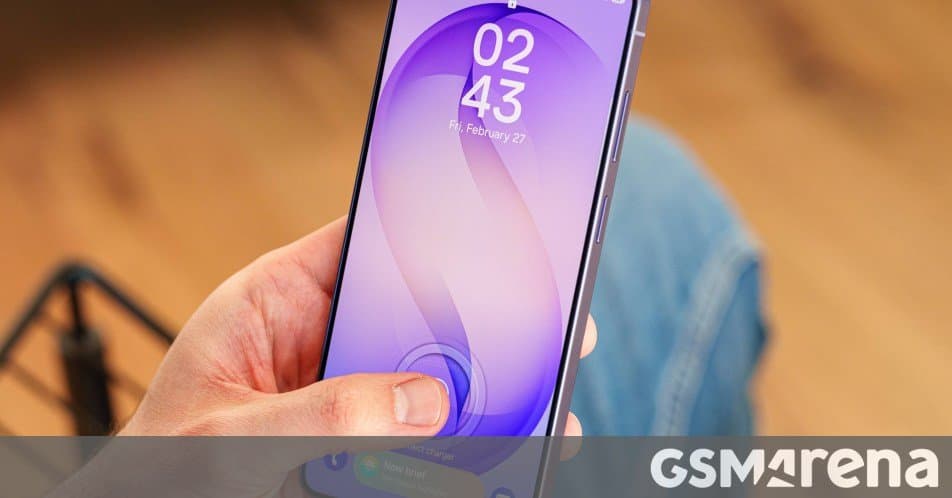
Samsung is preparing a €100‑plus price increase for its flagship Galaxy S series and the latest Fold 7 and Flip 7 models in Europe, citing a sustained rise in DRAM prices that threatens to erode margins that were previously protected by internal cost cuts.
Samsung has confirmed that it will adjust the retail price of several flagship devices in Europe starting in June 2026. The move follows a sharp increase in the cost of LPDDR5X memory chips, which now command a premium that manufacturers can no longer absorb through internal efficiencies.
What the price change looks like
| Device | Storage | RAM | Current price (EUR) | New price (EUR) |
|---|---|---|---|---|
| Galaxy S 24 Ultra | 256 GB | 12 GB | 1 199 | 1 299 |
| Galaxy Z Fold 7 | 256 GB | 12 GB | 1 389.90 | 1 489.90 |
| Galaxy Z Fold 7 | 512 GB | 12 GB | 1 575.00 | 1 675.00 |
| Galaxy Z Flip 7 | 256 GB | 12 GB | 889.85 | 989.85 |
| Galaxy Z Flip 7 | 512 GB | 12 GB | 1 075.00 | 1 175.00 |
The figures above are based on the latest listings from European retailers and reflect a roughly €100 uplift across the board. Samsung has not disclosed whether the increase will apply to all configurations, but analysts expect the higher‑capacity variants to see a similar adjustment.
Why RAM is driving the hike
The global memory market has been under pressure since the second half of 2024, when demand from data‑center AI workloads outpaced supply. Foundries such as SK Hynix, Micron and Samsung’s own memory division have been forced to raise wafer prices to cover higher material and equipment costs. For a typical flagship smartphone, the DRAM bill‑of‑materials accounts for about 15‑20 % of the total component cost. With LPDDR5X pricing now up by roughly 12 % year‑over‑year, the impact on a device that uses 12 GB of RAM translates to an added €70‑€80 in component cost alone.
Historically, Samsung and Apple have been able to offset memory price spikes by negotiating bulk discounts, redesigning memory controllers for better efficiency, or shifting to lower‑cost suppliers. Recent reports suggest Samsung is already moving some production to Chinese DRAM vendors such as CXMT and YMTC, but the quality and yield rates of those chips have not yet matched the standards required for premium flagships. Consequently, Samsung appears to be passing a portion of the cost increase onto consumers.
Ecosystem implications
The price adjustment is not limited to Samsung. Other Android OEMs that rely on similar memory configurations—OnePlus, Xiaomi’s high‑end Mi 13 line, and even some mid‑range devices from Oppo—are expected to follow suit as the memory shortage persists. For users, the immediate effect is a higher entry price for devices that already sit at the top of the market.
From an ecosystem perspective, the hike could accelerate a shift toward devices with more modest memory footprints. Many power users already run 8 GB of RAM without noticeable slowdowns, thanks to Android’s improved memory‑management algorithms introduced in Android 14. If manufacturers start offering “lite” variants with 8 GB RAM and slightly lower storage, the overall cost of ownership could stabilize while still delivering a smooth experience.
What buyers can do
- Watch for promotional bundles – Retailers often bundle accessories or carrier subsidies that effectively lower the out‑of‑pocket cost.
- Consider previous‑generation models – The Galaxy S 23 series, which still receives security updates, can be found at a discount and uses the same 12 GB RAM configuration.
- Evaluate storage‑first pricing – Some carriers price devices based on storage rather than RAM, so opting for a 256 GB model with 8 GB RAM may be cheaper than a 128 GB/12 GB variant.
Looking ahead
Analysts at Counterpoint and IDC predict that DRAM prices will remain elevated through the second half of 2026 before a modest correction occurs as AI‑driven demand plateaus. In the meantime, Samsung’s decision to raise prices signals that the era of “free‑riding” on memory cost reductions is over. Consumers can expect similar adjustments across the premium Android segment, while the market may see a gradual diversification of memory configurations as manufacturers balance performance with price.
For the latest official statements, see Samsung’s European press release here and the detailed memory market analysis from IC Insights.
Comments
Please log in or register to join the discussion