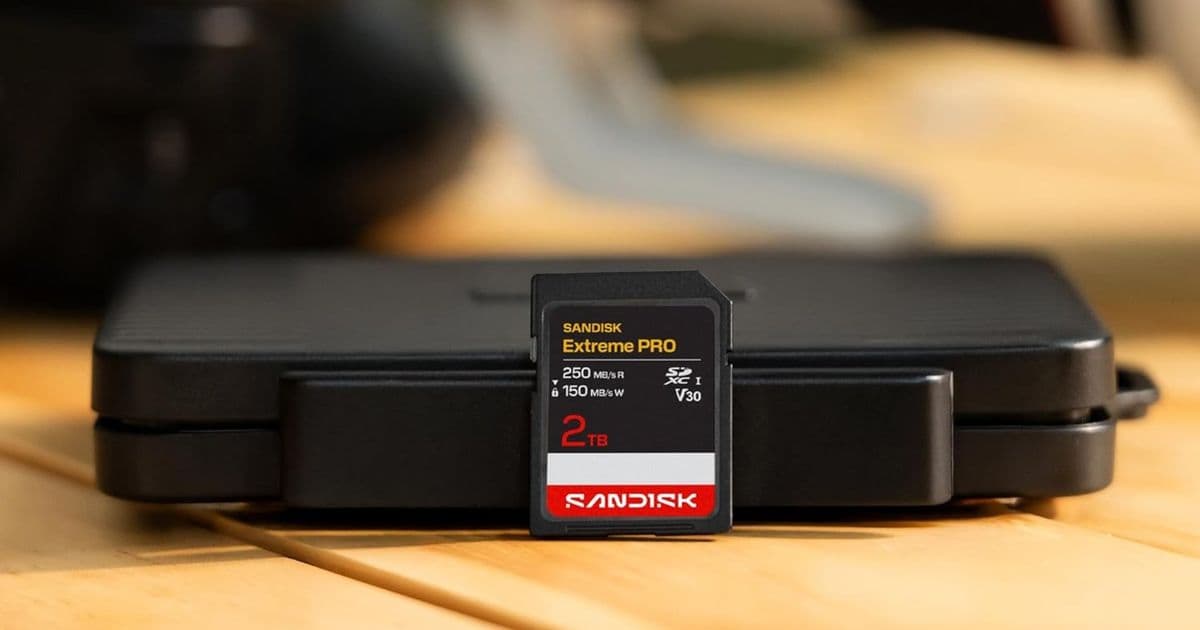
SanDisk's new 2TB Extreme Pro UHS-II SD card delivers 310 MB/s read speeds and 305 MB/s write speeds, but costs nearly $2,000 - making it one of the most expensive consumer memory cards ever released.
SanDisk has quietly introduced a 2TB version of its Extreme Pro UHS-II SD card, with the company boasting an up to 310 MB/s sequential read performance and 305 MB/s sequential write performance. This is an expensive memory card, though, with the SD card costing a staggering $1,999.99 on Amazon, a more than four-fold increase versus the lower-tier 2TB Extreme Pro UHS-I SD Card and a sign of the challenging times facing the storage industry.
Performance That Pushes Boundaries
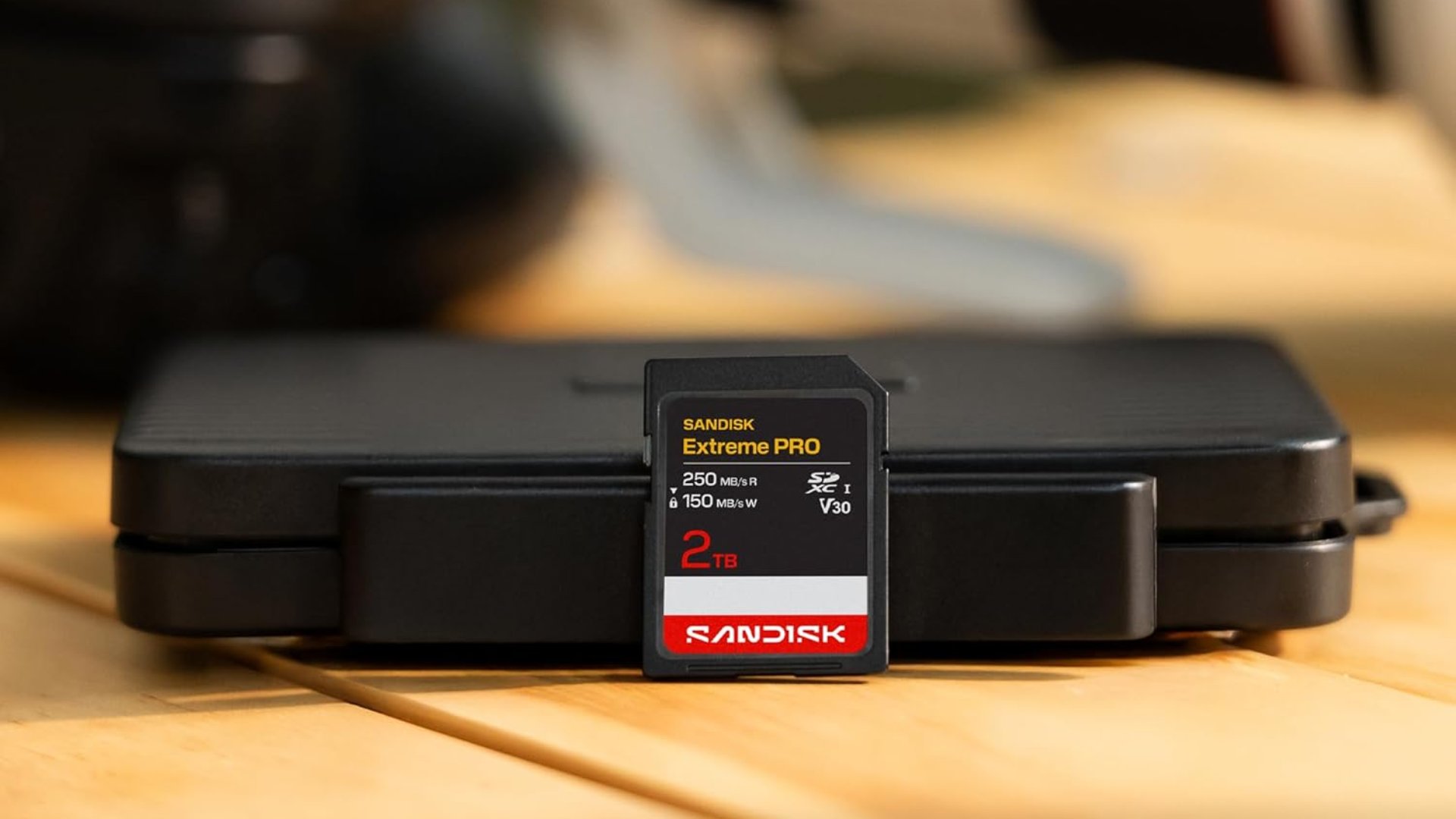
The new 2TB SanDisk Extreme Pro UHS-II SDXC card represents a significant leap in storage capacity for the SD card format. With sequential read speeds of up to 310 MB/s and write speeds of 305 MB/s, this card delivers performance that rivals many solid-state drives. These speeds are achieved through the UHS-II interface, which uses additional pins to enable faster data transfer rates compared to standard UHS-I cards.
The card carries a V90 speed rating, indicating it can sustain minimum write speeds of 90 MB/s - crucial for recording high-bitrate video formats. This makes it particularly suitable for professional videographers and photographers who need to capture 8K footage or require high-resolution burst photography without buffer limitations.
Price Per Gigabyte Analysis
Despite offering superior performance, the 2TB SanDisk Extreme Pro UHS-II is significantly more expensive than alternative storage solutions on a per-gigabyte basis. The 512GB SanDisk microSD Express card, which uses the newer microSD Express standard with PCIe and NVMe technology, costs only $119.99 - approximately $0.23 per GB. By comparison, the 2TB SanDisk Extreme Pro UHS-II SD card costs approximately $1.00 per GB.
This pricing disparity becomes even more apparent when examining SanDisk's entire Extreme Pro lineup:
| Capacity | Model | Price | Price per GB |
|---|---|---|---|
| 2TB | Extreme Pro UHS-II SDXC | $1,999.99 | $0.98 |
| 512GB | Extreme Pro UHS-II SD | $499.99 | $0.98 |
| 256GB | Extreme Pro UHS-II SD | $279.99 | $1.09 |
| 128GB | Extreme Pro UHS-II SD | $199.99 | $1.56 |
| 512GB | microSD Express | $119.99 | $0.23 |
| 2TB | Extreme Pro UHS-I SDXC | $440.00 | $0.21 |
| 512GB | Extreme Pro UHS-I SDXC | $169.99 | $0.33 |
| 256GB | Extreme Pro UHS-I SDXC | $92.99 | $0.36 |
| 128GB | Extreme Pro UHS-I SDXC | $51.99 | $0.41 |
Market Context and Industry Challenges
The premium pricing of this card reflects broader challenges in the storage industry. The current memory and storage chip shortage has driven up manufacturing costs across the board. Companies are increasingly focusing on premium products with higher retail prices to offset these increased costs.
This strategy is evident across multiple manufacturers. SD cards from competing brands like Lexar and Kingston with similar specifications are priced comparably, suggesting that the high cost is driven by component shortages and manufacturing constraints rather than brand premiums alone.
Target Audience and Use Cases
SanDisk positions this card specifically for professional videographers and photographers who need extreme capacity and speed. The card's durability features include an IP68 environmental protection rating and the ability to withstand drops of up to 6 meters (nearly 20 feet), making it suitable for demanding field work.
For professionals shooting 8K video, which can require write speeds of 250-300 MB/s depending on the codec and bit depth, this card provides the necessary performance headroom. Similarly, sports and wildlife photographers who shoot in continuous burst mode at high resolutions will benefit from the card's ability to maintain fast write speeds even when the buffer fills.
The SD Card Format's Future
Interestingly, while the 2TB SanDisk Extreme Pro UHS-II offers impressive performance, it still lags behind the newer microSD Express standard in terms of raw speed potential. MicroSD Express cards can theoretically achieve much higher speeds by leveraging PCIe and NVMe protocols, though most digital cameras still use the older SD standard.
This creates a paradox where users seeking maximum performance per dollar might be better served by microSD Express cards, despite the SD card's superior sequential speeds. The decision ultimately comes down to device compatibility and specific workflow requirements.
Value Proposition Assessment
For the vast majority of users, this $2,000 SD card represents significant overkill. The 2TB Extreme Pro UHS-I SDXC card, priced at $440, offers a more reasonable price-to-performance ratio for most applications. Even professional users might find that multiple smaller, less expensive cards provide better redundancy and flexibility than a single massive 2TB card.
However, for specialized workflows where maximum capacity and speed in a single card are essential - such as certain broadcast or cinema applications - the investment might be justified. The card's ability to handle the most demanding recording scenarios without compromise could save time and prevent missed shots in critical situations.

The introduction of this card highlights the ongoing evolution of memory card technology, even as newer standards emerge. While it may not represent the best value for most users, it pushes the boundaries of what's possible with the SD format and provides a glimpse into the future of professional-grade portable storage.
As memory chip shortages persist and manufacturing costs remain elevated, we may see more extreme products like this enter the market. Whether this represents a temporary anomaly driven by supply constraints or a new normal for high-end memory cards remains to be seen.
Comments
Please log in or register to join the discussion