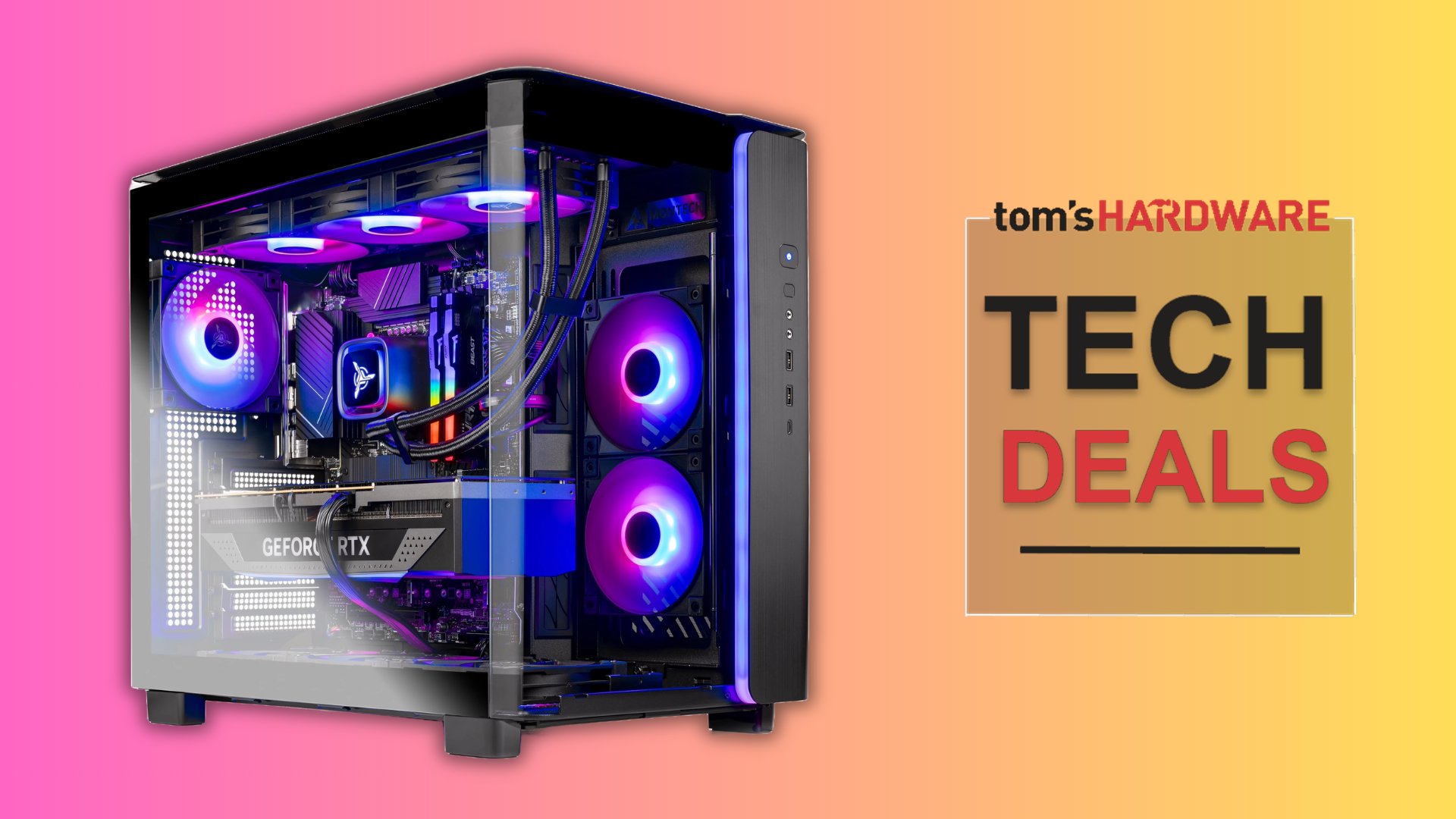
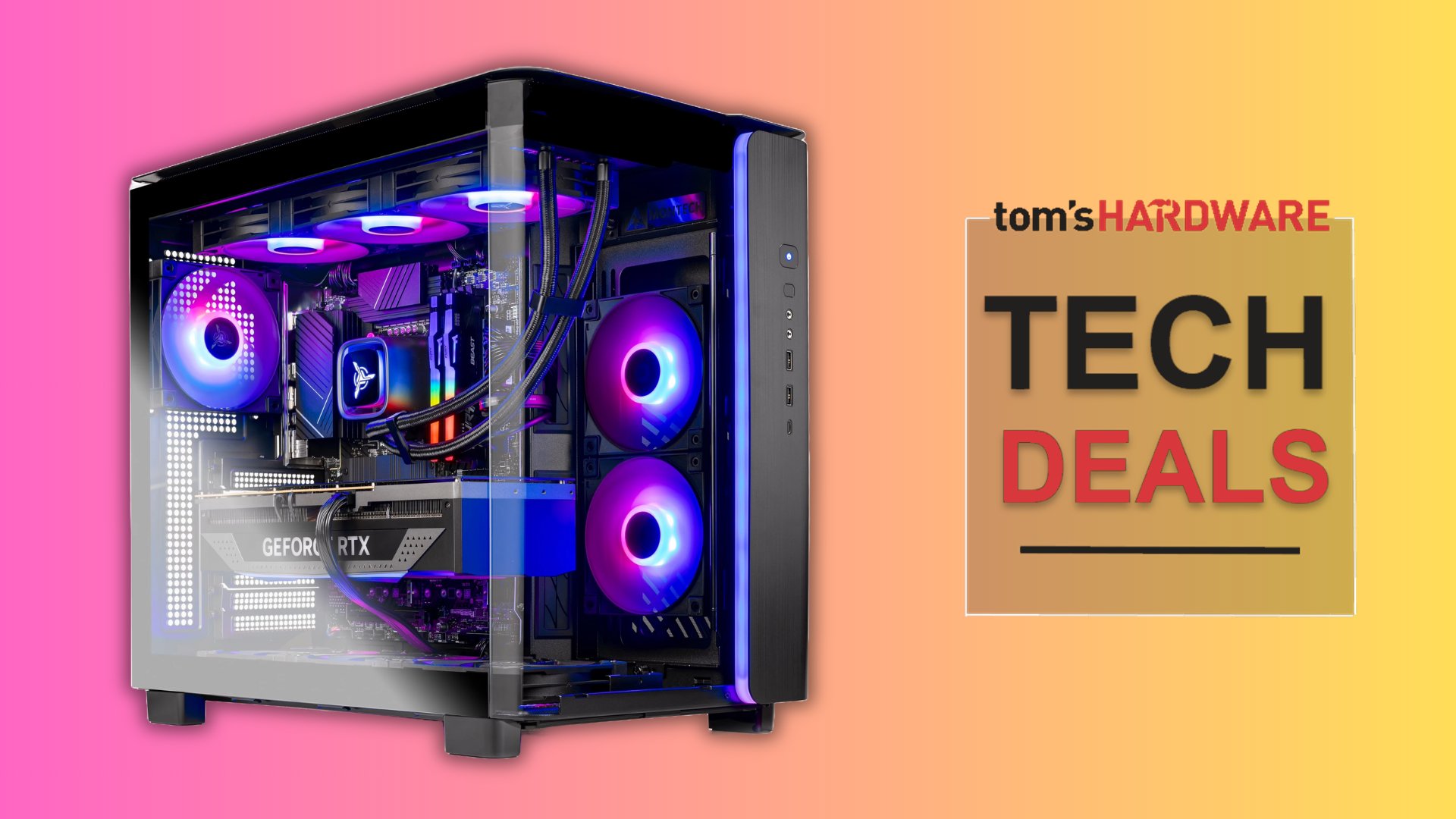
Skytech's King 95 prebuilt gaming PC drops to $1,499 at Walmart, bundling an RTX 5060 Ti 16GB with a Ryzen 7 7800X3D and 32GB DDR5 RAM, offering $300+ savings versus building the same system yourself.
Prebuilt gaming PCs have long carried a stigma among enthusiasts, but the current pricing landscape for individual components has flipped that narrative on its head. Skytech's King 95 gaming desktop, currently listed at Walmart for $1,499, presents a compelling case study in how system integrators are absorbing component volatility to offer value that DIY builders simply cannot match right now.
The Components and What They Mean
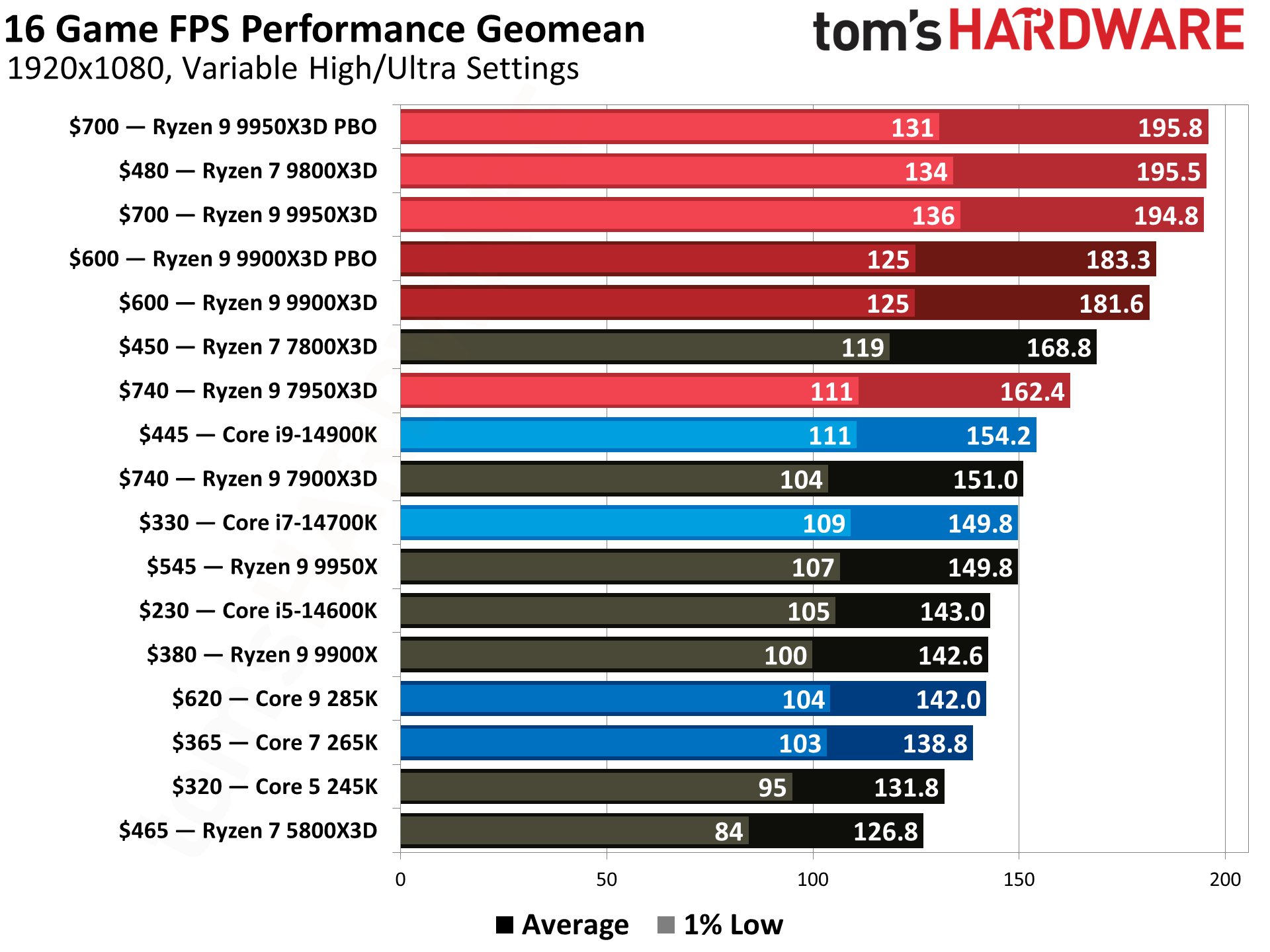
At the heart of this system sits the AMD Ryzen 7 7800X3D, a processor that earned its reputation through one key innovation: 3D V-Cache. Built on AMD's Zen 4 architecture using TSMC's 5nm process node, the 7800X3D stacks an additional 64MB of L3 cache directly on top of the compute die, bringing total cache to 96MB. This architectural decision has measurable consequences for gaming performance, where cache misses directly translate to frame time degradation. The result is a chip that consistently matches or exceeds Intel's flagship offerings in gaming workloads despite costing significantly less at retail.
The 7800X3D's positioning in the market remains strong even as AMD's Zen 5-based X3D processors enter the channel. The reason comes down to silicon economics: the 7800X3D's 8-core, 16-thread configuration delivers roughly 95% of the gaming performance of the newer generation at a substantially lower price point. For pure gaming applications, the 3D V-Cache advantage continues to matter more than IPC gains from architecture generational jumps.
The GPU in this bundle, Nvidia's GeForce RTX 5060 Ti with 16GB of VRAM, represents a meaningful specification choice. The 16GB variant uses GDDR7 memory across a 128-bit bus, providing approximately 288 GB/s of memory bandwidth. This is particularly relevant for ray-traced workloads, where VRAM consumption can spike dramatically. Games like Cyberpunk 2077 with full path tracing enabled can consume 12-14GB of VRAM at 1440p, making the 16GB buffer a practical requirement rather than a marketing spec.
The GPU itself contains 4,608 CUDA cores based on Nvidia's Blackwell architecture, manufactured on TSMC's 4nm process. This gives it solid 1440p performance across current titles while maintaining reasonable power efficiency. For context, the RTX 5060 Ti trades blows with the previous-generation RTX 4070 in rasterization workloads while offering superior ray tracing performance thanks to its newer architecture.
The Memory and Storage Configuration
The system ships with 32GB of DDR5-5200 RAM with RGB lighting, which aligns with the current sweet spot for gaming and productivity workloads. DDR5-5200 operates at CL40 timings by default, providing adequate bandwidth for the 7800X3D's dual-channel memory controller. The 32GB capacity handles modern game titles comfortably, though content creators running multiple applications simultaneously may eventually consider stepping up to 64GB.
Storage consists of a 1TB M.2 NVMe SSD, which serves as adequate boot and game storage. The 1TB capacity fills quickly with modern game installs averaging 50-80GB each, so users with large game libraries may want to add a secondary drive down the line. The standard motherboard with Wi-Fi connectivity supports additional M.2 slots for expansion.
Thermal and Power Considerations
Cooling is handled by a 360mm AIO liquid cooler, which provides substantial thermal headroom for the 7800X3D. The chip has a 120W TDP, and under sustained all-core loads typically draws 80-90W, meaning the cooler operates well within its capacity. For gaming loads, which are typically bursty rather than sustained, temperatures should remain comfortable throughout extended sessions.
The 850W 80+ Gold power supply provides adequate headroom for the system's total power consumption. The RTX 5060 Ti has a TDP of approximately 180W, and combined with the processor and peripheral components, total system power draw rarely exceeds 400W under full gaming load. The 850W unit ensures the PSU operates in its peak efficiency range while leaving room for future GPU upgrades.
The King 95 chassis incorporates a fishtank-style design with three pre-installed fans for airflow management. This configuration creates positive pressure inside the case, reducing dust accumulation while maintaining adequate cooling for all components.
The Price Breakdown
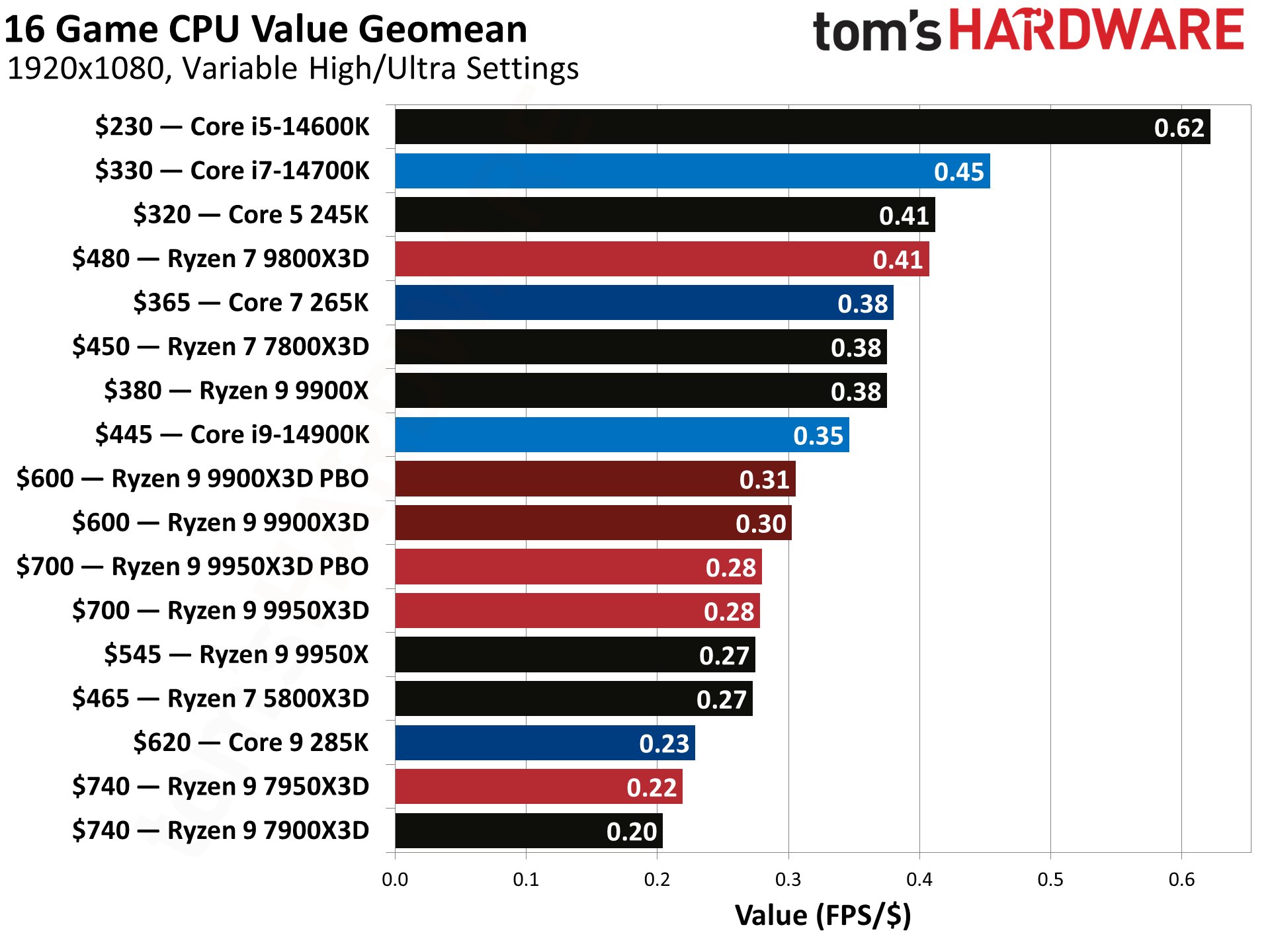
A direct component comparison on PCPartPicker yields a total of approximately $1,800 when sourcing the individual parts at their best available prices. This means the Skytech bundle saves roughly $300 compared to building an equivalent system from scratch, even before accounting for the time and expertise required for assembly, cable management, and operating system installation.
The math becomes more favorable when considering the hidden costs of DIY builds. A legitimate Windows 11 license runs approximately $100-140. Assembly time, troubleshooting potential compatibility issues, and the lack of a unified warranty all add friction to the DIY approach. Skytech's warranty covers the complete system, which simplifies support considerably if any component fails.
Market Context
The prebuilt market has shifted considerably due to component pricing volatility. GPU prices, in particular, have experienced significant fluctuations driven by demand from AI and datacenter customers competing for TSMC's manufacturing capacity. This has created situations where prebuilt systems can undercut the sum of their parts, a dynamic that was rare in previous market cycles.
Nvidia's RTX 50-series supply has been constrained since launch, with the RTX 5060 Ti frequently selling above MSRP in the retail channel. System integrators like Skytech secure components through bulk purchasing agreements that insulate them from spot market pricing, passing those savings to consumers in bundled configurations.
For buyers evaluating their options in the current market, prebuilt systems like the King 95 represent a pragmatic choice. The combination of verified component compatibility, complete system warranty, and competitive pricing makes the DIY premium harder to justify when the goal is simply getting a capable gaming machine at the lowest possible total cost.
Should You Buy It?
The Skytech King 95 at $1,499 targets the 1440p gaming segment accurately. The RTX 5060 Ti 16GB paired with the 7800X3D delivers consistent frame rates across modern titles at that resolution, with the VRAM headroom to handle ray tracing without texture quality compromises. The 32GB RAM configuration ensures the system won't bottleneck on memory capacity for current game requirements.
The value proposition tightens when you consider upgrade paths. The AM5 socket supports future Zen 5 and potentially Zen 6 processors, the standard motherboard allows GPU swaps, and the 850W PSU accommodates higher-tier graphics cards. This isn't a dead-end system that requires a complete rebuild to improve performance in two years.
For gamers who prioritize getting into the chair and playing rather than spending weekends troubleshooting compatibility issues and driver conflicts, this deal hits the mark. The savings versus DIY are real, the component selection is thoughtful rather than cost-cutting, and the complete system warranty provides peace of mind that individual part warranties cannot replicate.

Hassam Nasir is a contributing writer at Tom's Hardware covering CPU comparisons and hardware news. When not benchmarking the latest processors, he can be found customizing water-cooled gaming rigs.
Comments
Please log in or register to join the discussion