Epic Games CEO Tim Sweeney publicly criticizes Valve's significant Steam Deck price increases, calling out Gabe Newell while the gaming community reacts to the $240-$300 MSRP hikes.
Steam Deck Price Hike Sparks Industry Debate: Sweeney vs. Newell
Valve's recent decision to increase Steam Deck pricing has sent shockwaves through the handheld gaming market, with the OLED 1TB model jumping to $949 and the 512GB version reaching $789—representing substantial increases of $300 and $240 respectively. The move has drawn public criticism from an unlikely source: Epic Games CEO Tim Sweeney, who took to social media to voice his disapproval of what he perceives as greedy pricing from Valve and its majority owner Gabe Newell.
What Changed in the Steam Deck Pricing Structure
The new Steam Deck pricing represents a significant departure from the original launch prices that helped establish Valve's position in the handheld gaming market. The previous pricing structure positioned the Steam Deck as an accessible alternative to traditional gaming PCs, with the base model starting at $399. The recent increases have effectively raised the entry point for premium handheld gaming by approximately 60-75% depending on the configuration.
Valve attributed these increases to ongoing component shortages and supply chain disruptions affecting the entire electronics industry. However, the magnitude of the price hikes has surprised many industry observers, especially given that Valve had maintained stable pricing for over two years since the Steam Deck's initial launch.
Sweeney's Public Criticism
Tim Sweeney didn't hold back in his assessment of Valve's pricing strategy. Sharing a post from Pirat_Nation that speculated about a potential $1500 price point for the upcoming Steam Machine, Sweeney sarcastically suggested that Gabe Newell should absorb the rising component costs rather than passing them entirely to consumers.
"Steam customer spending ultimately funds the parts," Sweeney noted, referencing Valve's estimated $10 billion annual revenue from its popular marketplace. The criticism wasn't limited to pricing strategy alone—Sweeney took a jab at Newell's personal wealth, suggesting that "the supply chain for megayachts" has also been disrupted, referencing Newell's well-documented affinity for luxury yachts.
This public exchange continues the contentious history between Sweeney and Valve, which has previously included disputes over digital marketplace practices and the Epic Games Store's competition with Steam.
Market Context and Competitive Landscape
The Steam Deck price increase occurs against a backdrop of rising costs across the entire gaming hardware industry. Competitors like Lenovo and MSI have also implemented price increases for their handheld gaming devices, though none have matched the percentage increase seen with Valve's latest pricing.
Interestingly, the Asus ROG Xbox Ally has emerged as a more attractive alternative in the post-increase market, with its relatively lower price point making it appear like a bargain compared to the newly priced Steam Deck models. This shift in competitive positioning could significantly impact Valve's market share in the handheld gaming space.
The upcoming Steam Machine faces additional scrutiny, with industry insiders expecting it to carry a price tag well over $1000—potentially placing it in a premium category with limited market appeal. If the Steam Machine launches at speculated prices, it would represent a significant departure from Valve's original vision of accessible PC gaming in handheld form.
Community Reaction and Backlash
Despite Sweeney's vocal criticism, the gaming community hasn't rallied behind his position. Many gamers have pointed out Epic Games' own controversial business practices, including multiple rounds of layoffs and aggressive monetization strategies in titles like Fortnite. Some community members suggest that Sweeney's criticism stems from jealousy of Steam's superior launcher and its thriving connected communities.
The reaction to the Steam Deck price increase has been overwhelmingly negative across social media platforms and gaming forums. Early adopters who purchased at lower prices feel particularly aggrieved, while potential buyers now face a significantly higher barrier to entry for Valve's handheld ecosystem.
What This Means for Buyers
For potential buyers, the Steam Deck price increase creates several considerations:
Value Proposition: The price-to-performance ratio has become less favorable compared to when the Steam Deck first launched. Buyers must now evaluate whether the premium price justifies the portable Steam experience.
Alternatives: Competing devices now offer more compelling alternatives, with the Asus ROG Xbox Ally appearing as a more budget-friendly option. Buyers should compare specifications, performance, and exclusive features across all available options.
Future-Proofing: With component costs potentially remaining elevated, buyers might consider whether waiting for future generations or price adjustments makes sense.
Ecosystem Considerations: The price increase doesn't affect the Steam Deck's core functionality or Steam integration, which remain key differentiators in the market.
Industry Implications
The Steam Deck price increase may signal broader trends in the gaming hardware industry. As component shortages continue and manufacturing costs remain elevated, other manufacturers may follow suit with similar price adjustments across their product lines.
This development also highlights the challenges of maintaining competitive pricing in the handheld gaming market, which sits between traditional consoles and mobile devices in terms of price expectations. Valve's decision to implement significant increases suggests that the company believes its brand and ecosystem justify premium pricing.
Valve's Response and Future Strategy
Valve has not yet issued a detailed response to the criticism or provided additional justification for the magnitude of the price increase. The company typically maintains a relatively low public profile, with Newell rarely making controversial public statements.
Looking ahead, Valve's strategy appears to focus on establishing the Steam Deck and future devices as premium handheld gaming experiences rather than budget alternatives. This positioning could include exclusive titles, enhanced Steam integration features, and performance optimizations that justify the higher price point.
For consumers, the key question remains whether Valve can deliver sufficient value at these new price points to maintain its position in the growing handheld gaming market. As the industry continues to evolve, the balance between accessibility and premium features will likely determine which manufacturers succeed in this competitive space.
The ongoing exchange between Sweeney and Newell adds an intriguing subplot to this market development, potentially influencing how other industry players position their products and respond to market pressures.
Image: Steam Deck handheld gaming device 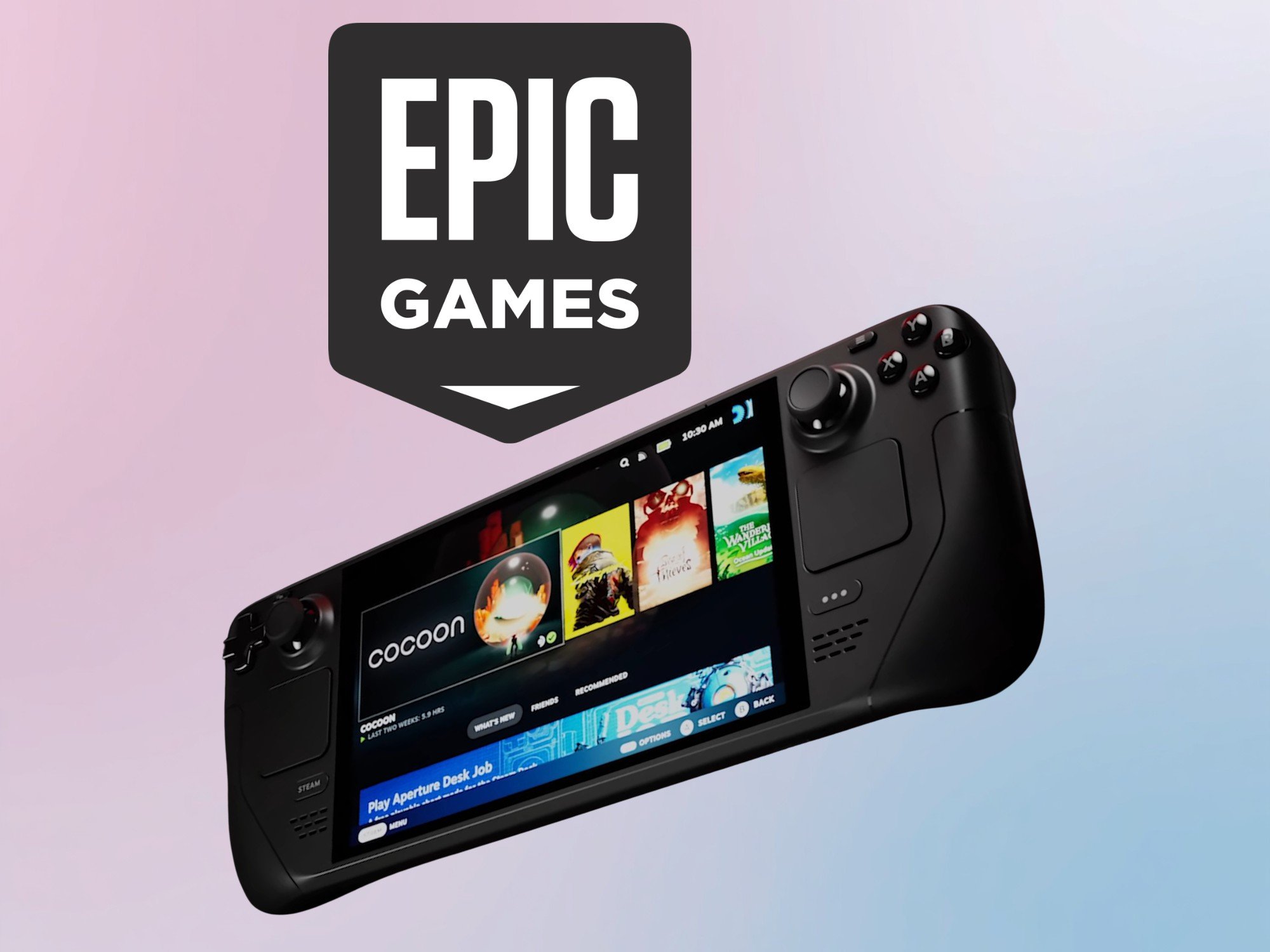
Comments
Please log in or register to join the discussion