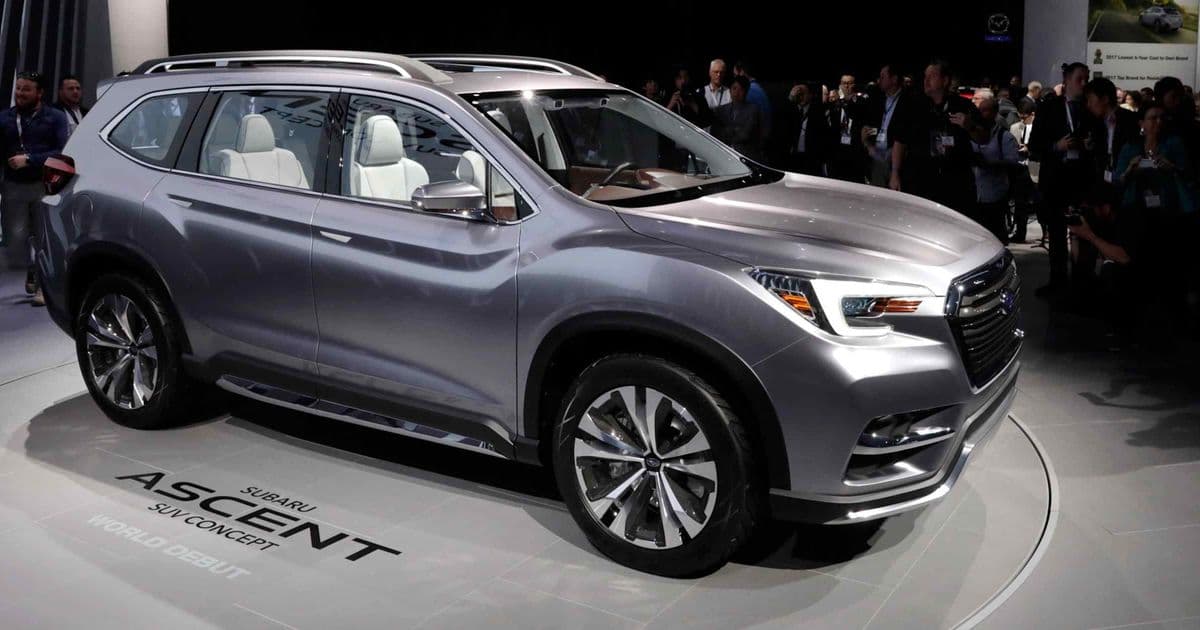
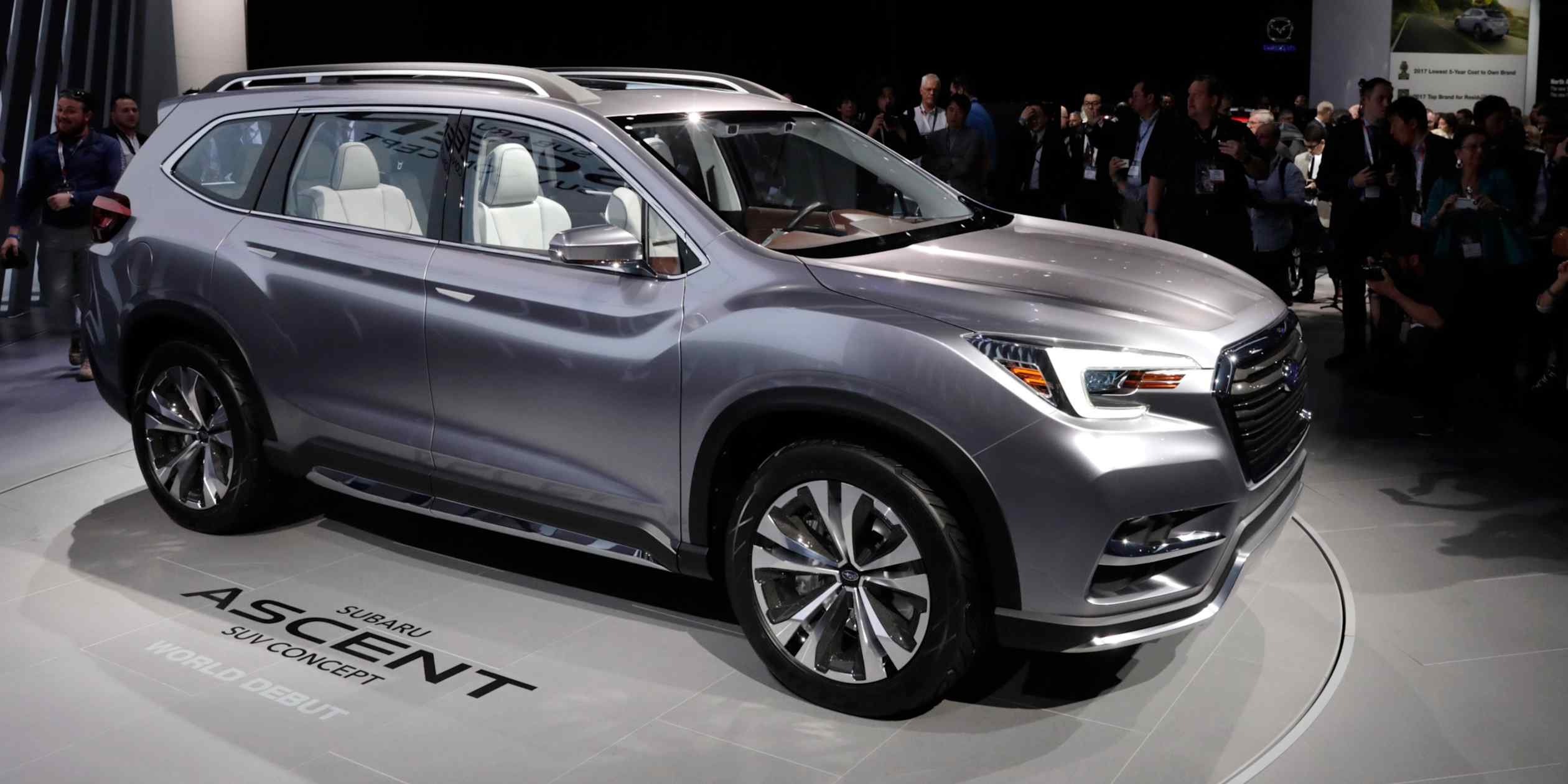
Subaru is evaluating a reverse‑import of its Ascent SUV, built in Indiana, for a launch in Japan later this year. The move reflects shifting certification rules, a growing appetite for larger crossovers, and a strategic push to balance domestic production constraints with global demand.
Subaru eyes reverse‑import of the Ascent SUV
Subaru announced on June 6 that it is studying the feasibility of selling the Ascent, its largest sport‑utility vehicle, in Japan as early as the second half of 2026. The Ascent is assembled at Subaru’s Lafayette, Indiana plant and has been a core model for the North American market since 2018.
Market context: why now?
Japanese consumers have shown a steady uptick in demand for larger crossovers. According to J.D. Power, the average vehicle size in Japan grew by 3.2 % year‑over‑year in 2025, driven by families seeking more cargo space and a premium feel. At the same time, domestic production capacity is tightening: Subaru’s Yajima plant in Gunma is operating at 92 % utilization, with limited room to add a new, high‑volume model.
Regulatory pressure is also easing. The Ministry of Land, Infrastructure, Transport and Tourism (MLIT) recently streamlined the certification process for imported vehicles, cutting average approval time from 180 days to 90 days. This policy shift has encouraged other manufacturers—Toyota, Nissan and Honda—to launch reverse‑import programs, collectively accounting for a 12 % increase in imported model sales in the first quarter of 2026.
Financial implications
The Ascent’s US price starts at $35,000 (≈¥4.8 million). Subaru projects a Japanese retail price of ¥5.5 million after tariffs and logistics, positioning it against the Toyota Highlander (¥5.2 million) and the Nissan Murano (¥5.0 million). Assuming a modest 5 % market share of the 1.2 million‑unit crossover segment, Subaru could sell roughly 60,000 units annually, generating about ¥330 billion in revenue.
Subaru’s fiscal 2025 report showed a net profit of ¥120 billion on ¥2.1 trillion in sales, with a 4.5 % operating margin. Adding the Ascent could lift total sales by up to 2 % and improve the margin by 0.3 percentage points, given the higher average price point and lower per‑unit production cost in the United States.
Strategic implications
- Diversification of supply chain – By sourcing a high‑volume model from the United States, Subaru reduces reliance on its domestic fabs, which face component shortages in semiconductors and steel.
- Brand positioning – The Ascent’s larger footprint and three‑row seating expand Subaru’s portfolio beyond the compact Outback and Forester, appealing to a segment that currently leans toward rivals.
- Regulatory arbitrage – Leveraging the simplified certification framework allows Subaru to test market response without the heavy upfront investment required for a locally built model.
- Potential cannibalization – Analysts warn that the Ascent could eat into sales of the Legacy and Impreza crossovers if pricing is not carefully calibrated. Subaru will need to manage dealer incentives to avoid internal competition.
What it means for the industry
Subaru’s move underscores a broader trend of Japanese automakers turning to reverse imports to fill niche gaps quickly. The practice, once rare, has surged to a record 30 % of all new model introductions in 2026, according to the Japan Automobile Manufacturers Association (JAMA). As certification becomes more predictable, manufacturers can experiment with cross‑regional platforms, reducing development cycles and spreading R&D costs across larger production volumes.
If Subaru proceeds, the Ascent could become a bellwether for future reverse‑import strategies, especially as automakers grapple with the dual pressures of electrification mandates and constrained domestic capacity. The decision will likely be watched closely by investors, who see the potential for a modest earnings boost without the capital intensity of a new domestic assembly line.
For further details on Subaru’s global production network, see the company’s official manufacturing overview.
Comments
Please log in or register to join the discussion