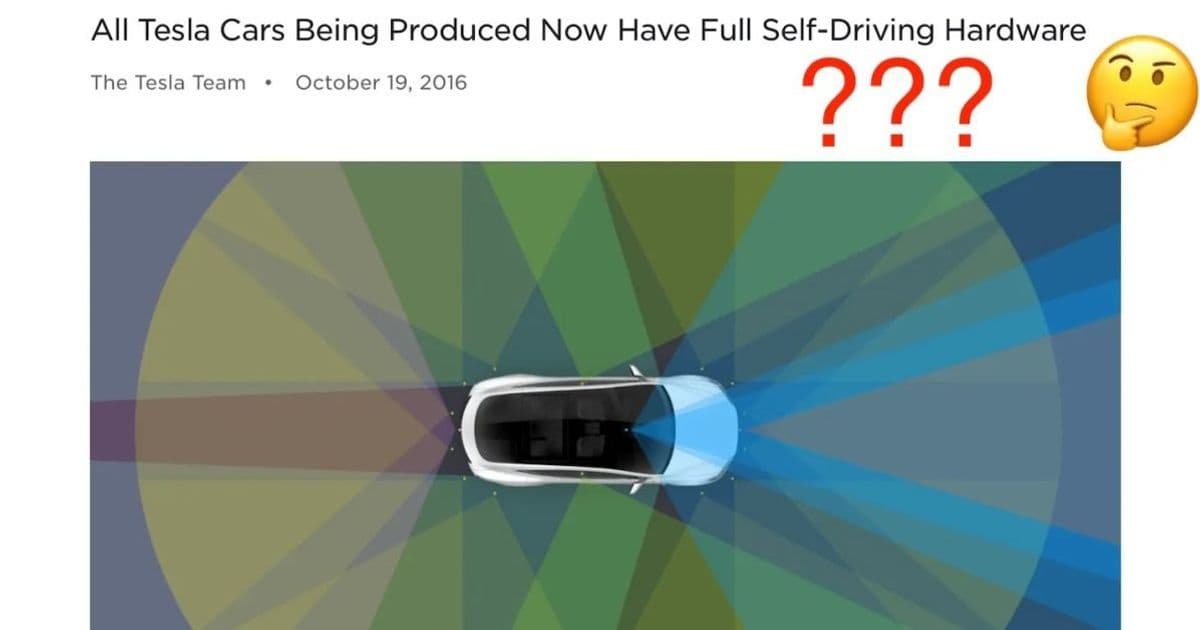
Ben Gawiser successfully sued Tesla for failing to deliver the Full Self-Driving capabilities he paid $10,000 for in 2021. Despite winning his small claims case, Tesla continues to delay payment through legal maneuvers, highlighting the growing tension between Tesla's autonomous driving promises and actual capabilities.
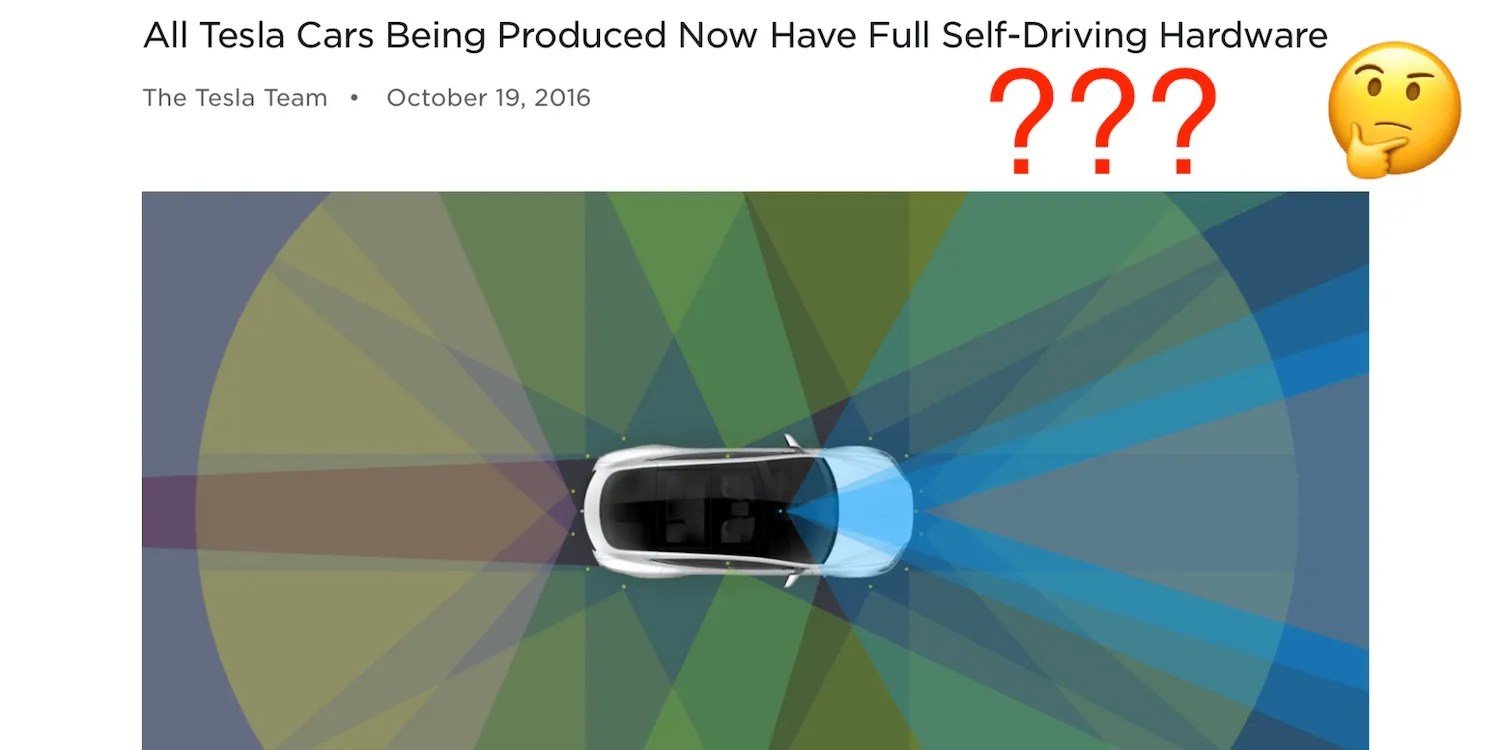
For over a decade, Tesla has sold a promise of vehicles that can drive themselves, claiming every car it produced had all the hardware necessary for full self-driving. After years of the company being unable to deliver on these promises, some owners are taking matters into their own hands. Ben Gawiser, a Tesla Model 3 owner, recently won a $10,600 judgment against Tesla due to the company's failure to deliver the Full Self-Driving software he paid for. Yet, Tesla is still fighting to delay payment, even if just by a few days at a time.
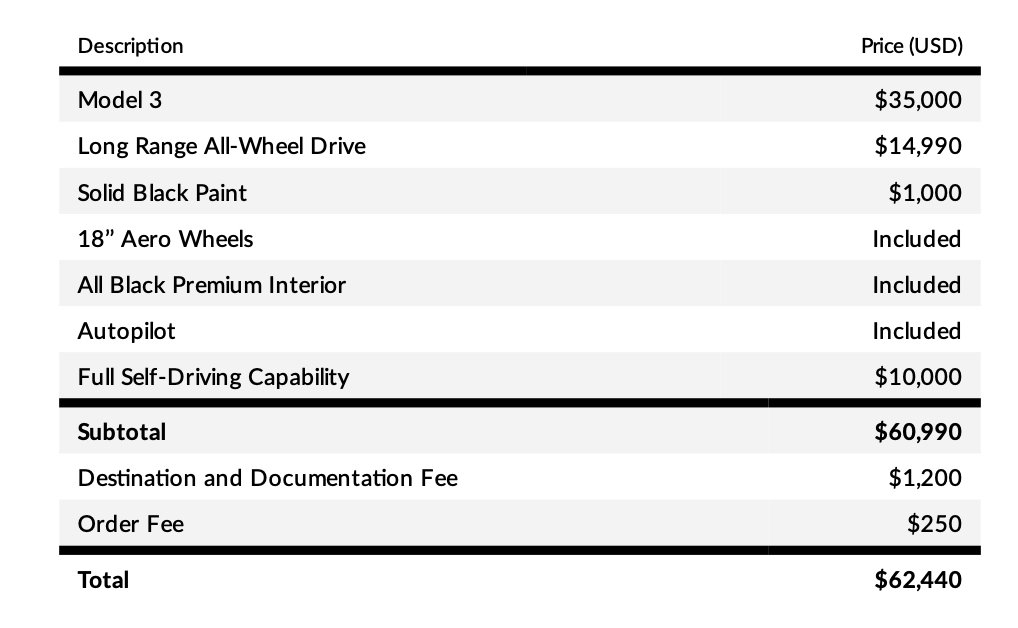
Gawiser purchased his Tesla Model 3 in August 2021, paying $10,000 for the company's Full Self-Driving software. At the time, Tesla was gradually increasing the price of the software, claiming it would continue to rise as the software gained more capabilities and moved closer to release. (Later, Tesla would lower prices and eventually move to a subscription-only model, though the company still charges some owners for hardware they already purchased).
Tesla's CEO had promised in January 2021 that "the car will drive itself for the reliability in excess of a human this year." Five years later, that promise remains unfulfilled. Tesla has yet to deliver software capable of level 5 full self-driving to any owner. Even on its own fleet of Robotaxis, only a few operate at Level 4 autonomy in limited circumstances. (Tesla had previously suggested owners could use their cars as robotaxis, but despite now making revenue with FSD software in its "Robotaxi" fleet, it still doesn't allow customers to do so).
With these false promises and what amounts to a five-digit, nearly five-year loan given to Tesla, Gawiser decided to take action. He reached out to Tesla's resolutions email address in November 2025 to request a refund for his nonfunctional software, though his language was reportedly aggressive. He cited instances of his vehicle stopping in the middle of the road, asking for a take-over within minutes of activation, and failing to slow for a school zones. Overall, the software simply does not deliver what was promised—he was sold a level 5 system, and FSD remains effectively level 2.
Tesla gave him the cold shoulder. When he asked again in January, the company told him the only remedy available would be to visit a service center to ensure the system was working properly—a solution that wouldn't upgrade it to the level 5 system he had paid for.
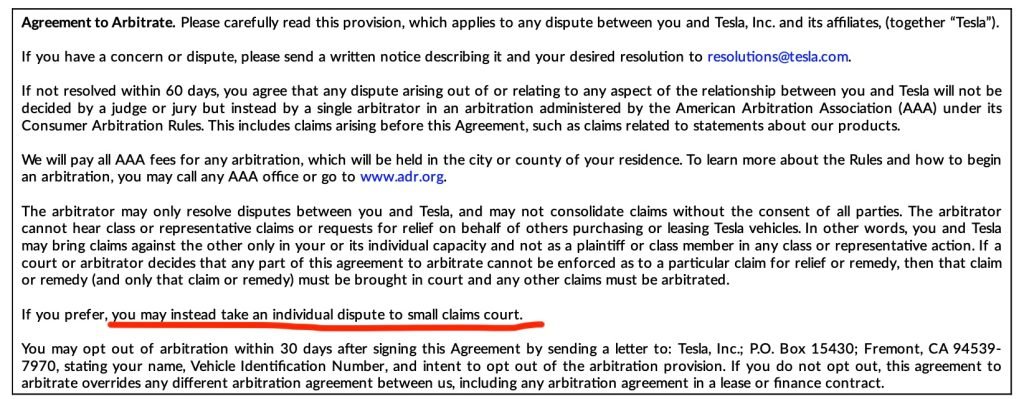
Undeterred, Gawiser filed a lawsuit in small claims court in Travis County, Texas, where he lives and where Tesla had moved its headquarters. Despite not being a lawyer, Gawiser navigated the process, which is designed for public use rather than legal professionals. While Tesla's purchase agreement includes an arbitration clause, it's also possible to take disputes to small claims court.
All it took was finding Tesla's "registered agent" (listed under "service of process" on Tesla's legal page) and filing a small claims lawsuit online with the Texas justice of the peace. This cost him $72.88, including certified mail to serve Tesla with the court documents.
After being served with the lawsuit, Tesla again did not respond. A court date was set for a default judgment hearing, which occurs when one party doesn't respond to a court case. The hearing took place over video call, where Gawiser provided evidence showing how much he paid for FSD and that it had not been delivered. The court ruled in his favor, awarding $10,672.88—the amount Gawiser paid for FSD, including taxes and court fees.

After the default judgment was filed on April 1, Tesla had three weeks to file a response but missed the April 22 deadline. Tesla then waited five more days and filed a request for an extension, claiming they hadn't received notice of the default judgment hearing and therefore couldn't appear. However, rather than requesting a rehearing, Tesla merely asked for the deadline to be pushed back by five days without submitting any additional evidence showing their side of the story.
In his response to Tesla's request, Gawiser pointed out the lack of defense, using Musk's own statements during Tesla's earnings call as evidence: "Tesla, Inc. does not have 'meritless defense' for this action as their CEO as recently as April 22nd, 2026 said that Tesla could not deliver a working version of 'Full Self-Driving' for the vehicle that the Plaintiff purchased required by the contract."
During that call, Musk finally admitted that HW3 cars like Gawiser's would never be able to drive themselves and would require Tesla to build factories just to upgrade them. This would only add more waiting time for Gawiser if he wanted to continue waiting for FSD, with no indication that Tesla has started building those factories to deliver the hardware needed to make the promised software work.
Gawiser's argument is straightforward: he bought software that wasn't delivered, and there is no legal argument that can overcome these facts as long as the software remains undelivered. The court has not yet responded to this most recent back-and-forth, but Gawiser is confident in his eventual victory.
To secure payment, Gawiser filed a "writ of execution" (another $240 in court fees), which would allow Texas law enforcement to seize and sell off enough of Tesla's property to cover the judgment against them.
Gawiser's case is one of a few where owners have successfully obtained refunds from Tesla, either in small claims or through arbitration. These cases remain rare given the scale of the broken promise. There are currently millions of vehicles on the road with no hope of getting the full self-driving hardware they were sold with. Tesla's plan to build "microfactories" for HW3 retrofits seems unlikely to materialize.
Beyond individual cases, multiple class action lawsuits are working their way through legal systems worldwide. We've heard of class action suits already in process in the US, China, and Australia, while in Europe, thousands of owners have signed up on a Dutch collective claim site. Collectively, these suits could result in billions in liability for Tesla—none of which would have been necessary if not for the CEO's constant false promises.
The Tesla FSD situation represents a fundamental challenge in the tech industry: the gap between ambitious promises and deliverable technology. While autonomous driving capabilities have improved, they remain far from the level 5 autonomy that Tesla has been promising for years. For customers like Gawiser, this gap represents a significant financial loss and a breach of trust.
Tesla's response—or lack thereof—to these legal challenges raises questions about the company's priorities. Rather than addressing the core issue of delivering on promises, Tesla appears to be focusing on delaying tactics, potentially at significant cost to its reputation and finances.
As autonomous technology continues to develop, cases like Gawiser's may become more common. Customers are becoming more aware of the limitations of current technology and more willing to hold companies accountable for unmet promises. Tesla's experience with these lawsuits could set important precedents for how tech companies approach product claims and customer expectations in the future.
Comments
Please log in or register to join the discussion