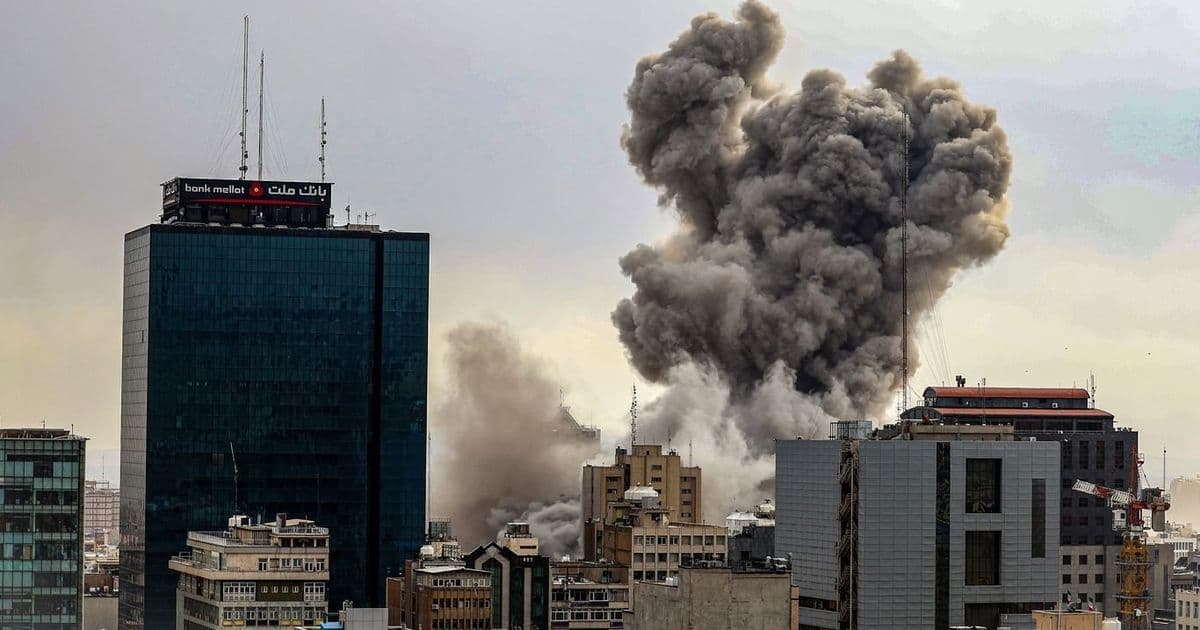
A comprehensive breakdown of military alliances, economic partnerships, and diplomatic alignments as the Iran conflict expands beyond regional boundaries into a global confrontation.
The Iran war has evolved from a regional conflict into a global confrontation, with nations across multiple continents now directly or indirectly involved through military deployments, economic sanctions, diplomatic support, or strategic positioning. What began as tensions in the Middle East has metastasized into a complex web of international alliances that spans from Asia to Europe, Africa to the Americas.
The Core Coalition: Direct Military Participants
The United States leads the primary coalition, having deployed carrier strike groups to the Persian Gulf and established forward operating bases in neighboring countries. American forces include approximately 40,000 troops across Iraq, Kuwait, Bahrain, Qatar, and the United Arab Emirates, with additional rapid deployment forces on standby in Europe and the continental United States.
Israel has conducted extensive airstrikes on Iranian nuclear facilities and military installations, with confirmed operations targeting sites in Tehran, Isfahan, and other strategic locations. The Israeli Defense Forces have mobilized reservists and positioned missile defense systems along their northern and eastern borders.
Saudi Arabia and the United Arab Emirates have provided basing rights, logistical support, and intelligence sharing to coalition forces. Both nations have conducted limited airstrikes on Iranian-backed Houthi positions in Yemen, though they've maintained strategic ambiguity about direct involvement in operations against Iran itself.
European Military Contributors
Several NATO members have committed forces despite internal political divisions. The United Kingdom has deployed two Royal Navy destroyers to the Strait of Hormuz and stationed special forces units in strategic locations. France has contributed air refueling capabilities and intelligence assets, while Germany has provided medical evacuation units and humanitarian support.
Poland and the Baltic states have sent small contingents of special operations forces, primarily for training and advisory roles. Italy has contributed naval assets for maritime security operations in the Mediterranean and Red Sea.
Asian Power Players
Japan has provided logistical support through its Self-Defense Forces, though constitutional constraints limit direct military involvement. Japanese naval vessels have escorted commercial shipping through critical chokepoints, and Tokyo has imposed economic sanctions on Iranian entities.
South Korea has suspended oil imports and frozen Iranian assets, while providing intelligence sharing through its alliance with the United States. The country's military remains on heightened alert due to North Korea's potential alignment with Iran.
India has maintained strategic ambiguity, continuing limited energy purchases while expanding military cooperation with the United States and Israel. Indian naval forces have increased patrols in the Arabian Sea to protect commercial shipping lanes.
The Russian-Iranian Alliance
Russia has emerged as Iran's primary military backer, providing advanced air defense systems, tactical advisors, and intelligence support. Russian naval vessels have conducted joint exercises with Iranian forces in the Caspian Sea and have positioned assets to counter NATO operations.
Belarus has allowed Russian forces to stage operations through its territory and has provided limited military equipment to Iran. The country has also served as a conduit for sanctions evasion, facilitating the movement of restricted technologies.
China has maintained a careful balancing act, continuing economic partnerships with Iran while avoiding direct military involvement. Chinese companies have provided dual-use technologies and financial services that support Iranian military capabilities, though Beijing has stopped short of formal alliance commitments.
Middle Eastern Power Dynamics
Turkey occupies a complex position, maintaining diplomatic relations with both Iran and coalition members. Turkish airspace has been used for military operations, though Ankara has publicly called for de-escalation. The Turkish military has increased border security along its Iranian frontier.
Qatar has provided diplomatic support to Iran while hosting U.S. military bases, creating a delicate balancing act. The country has facilitated negotiations and served as a communication channel between opposing sides.
Oman has maintained neutrality but has allowed coalition forces to use its ports for resupply operations. The sultanate has also provided humanitarian corridors for civilian evacuations.
African Involvement
Egypt has permitted coalition forces to use the Suez Canal and has provided intelligence sharing on Iranian activities in North Africa. The Egyptian military has increased patrols along its borders with Libya and Sudan.
Algeria has maintained diplomatic relations with Iran while avoiding direct involvement. However, intelligence reports suggest Algerian companies have provided dual-use technologies through third-party channels.
South Africa has imposed limited sanctions and has supported diplomatic efforts at the United Nations, though it has avoided military commitments.
Latin American Connections
Venezuela has provided diplomatic support to Iran and has reportedly facilitated the movement of restricted technologies through its territory. The Maduro regime has also offered Iran access to its oil infrastructure for sanctions evasion.
Cuba has maintained diplomatic relations with Iran and has provided limited intelligence support, though it has avoided direct military involvement. The country has served as a communication channel for other Latin American nations sympathetic to Iran.
Brazil has maintained strategic ambiguity, continuing trade relationships while avoiding military commitments. The Brazilian government has called for peaceful resolution but has not joined sanctions regimes.
Economic Warfare Participants
Beyond direct military involvement, numerous countries have engaged in economic warfare that effectively supports one side or the other. The European Union has imposed comprehensive sanctions on Iranian financial institutions, energy exports, and military entities.
Switzerland has frozen Iranian assets and has restricted financial transactions, despite its traditional neutrality. The country has also served as a diplomatic intermediary in negotiations.
Singapore has joined sanctions regimes and has restricted Iranian access to its financial system, while continuing to provide logistical support for commercial shipping.
The Shadow War: Cyber and Information Operations
Multiple nations have engaged in cyber operations supporting their respective sides. The United States, Israel, and several European countries have conducted offensive cyber operations against Iranian infrastructure, while Iran and its allies have targeted critical infrastructure in coalition nations.
Russia and China have provided cyber defense support to Iran, while conducting their own information warfare campaigns to shape global narratives about the conflict.
Diplomatic Alignments and International Organizations
The United Nations has been paralyzed by Security Council divisions, with Russia and China blocking meaningful action. However, the General Assembly has passed resolutions condemning Iranian nuclear activities and calling for de-escalation.
The Organization of Islamic Cooperation has fractured along sectarian lines, with Sunni-majority nations generally supporting coalition efforts while Shia-majority nations have provided varying degrees of support to Iran.
The Non-Aligned Movement has struggled to maintain relevance as traditional members have been forced to choose sides based on strategic interests rather than ideological commitments.
What This Means for Global Stability
The expansion of the Iran war beyond regional boundaries has created a fundamentally different geopolitical landscape. The conflict has exposed and exacerbated existing tensions between major powers, accelerated arms races, and created new security dilemmas that will persist long after active hostilities cease.
The involvement of so many nations across different continents means that even localized incidents could trigger broader confrontations. The risk of miscalculation has increased exponentially as military forces from opposing sides operate in closer proximity across multiple theaters.
Economic interdependence has proven both a stabilizing factor and a source of vulnerability. While sanctions have imposed significant costs on Iran, they have also created incentives for sanctions evasion and alternative economic arrangements that bypass traditional financial systems.
The conflict has also accelerated trends toward regional power blocs and strategic autonomy, as nations seek to reduce dependence on traditional allies while maintaining flexibility in an increasingly multipolar world.
As the war continues to evolve, the involvement of additional nations remains a distinct possibility, particularly if the conflict expands to new theaters or if major powers perceive their core interests as being threatened. The global nature of this conflict means that its resolution will require not just regional diplomacy but a fundamental restructuring of international security arrangements.
Comments
Please log in or register to join the discussion