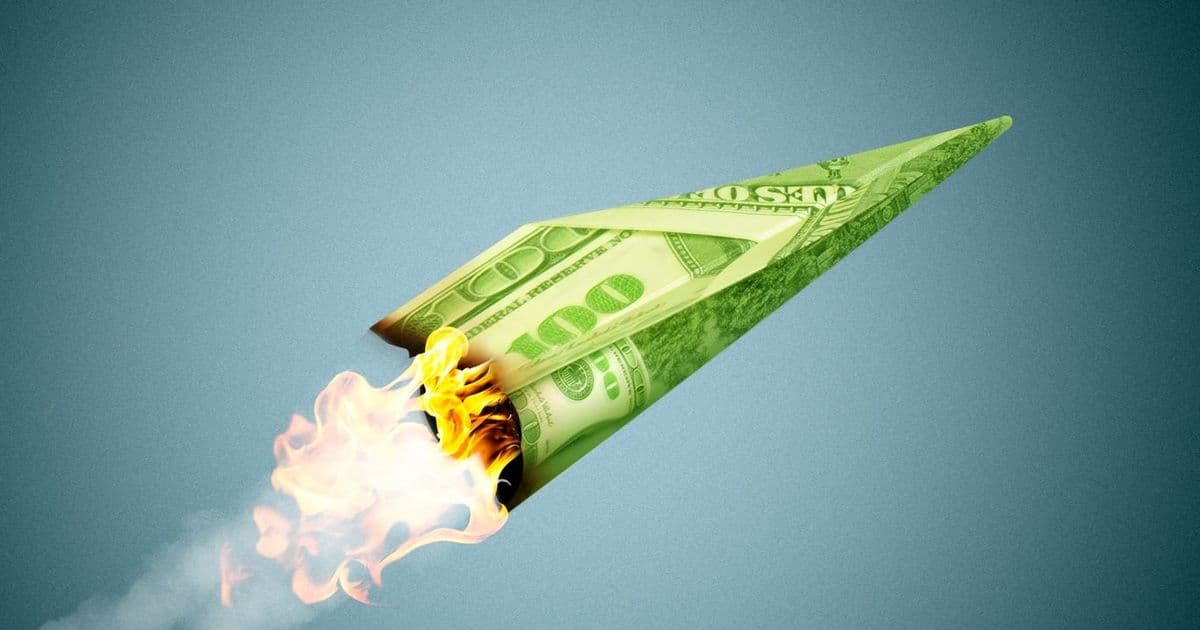
Despite hopes for cooling, inflation remains stubbornly high at 3.7% in September 2023, forcing the Federal Reserve to maintain aggressive interest rate policies that are reshaping the economic landscape.
Inflation continues to be the dominant economic story of our time, refusing to fade into the background despite hopes for a more stable economic environment. The latest data shows that the consumer price index rose 3.7% in September 2023 compared to the previous year, marking a slight increase from August's 3.6% reading and dashing expectations for a more rapid cooldown.
This persistent inflationary pressure is forcing the Federal Reserve to maintain its aggressive stance on interest rates, with the central bank keeping rates at their highest level in over two decades. The Fed's benchmark rate now sits between 5.25% and 5.5%, a level that is significantly impacting borrowing costs across the economy.

The housing market is feeling the squeeze particularly acutely. Mortgage rates have surged past 7.5% for 30-year fixed loans, the highest level since 2000. This has led to a dramatic slowdown in home sales, with existing home sales falling 2.2% in August to their lowest level since 1995. The National Association of Realtors reports that the median existing-home price fell 0.9% from August 2022 to $389,800, marking the first year-over-year decline since 2012.
But the impact extends far beyond real estate. Credit card interest rates have reached record highs, averaging 20.68% APR according to Bankrate's latest data. Auto loan rates have similarly climbed, with the average 48-month new car loan now carrying a 7.4% interest rate. These higher borrowing costs are dampening consumer spending and business investment across the board.
The labor market, while still relatively strong with unemployment at 3.8%, is showing signs of strain. Wage growth has cooled to 4.2% year-over-year, failing to keep pace with inflation and effectively reducing workers' purchasing power. This wage-price spiral dynamic is particularly concerning for economists, as it suggests that inflation may be becoming more entrenched in the economy.
Supply chain issues, while improved from the pandemic peak, continue to contribute to price pressures. The Baltic Dry Index, a key indicator of global shipping costs, has risen 45% since July, suggesting that transportation bottlenecks may be reemerging as a source of inflationary pressure.
Energy prices are another wild card. Oil prices have surged back above $90 per barrel, driven by OPEC+ production cuts and increased demand. This has pushed gasoline prices up 10% in the past month alone, adding to the inflationary pressures facing consumers.
The Federal Reserve finds itself in a difficult position. While inflation remains above its 2% target, there are growing concerns about the impact of high interest rates on economic growth. Some economists warn that the Fed's policies risk tipping the economy into recession, with the probability of a downturn in the next 12 months estimated at 60% by Bloomberg Economics.
Corporate America is already feeling the effects. Walmart, the nation's largest retailer, recently warned that inflation is pressuring its lower-income customers, leading to reduced discretionary spending. The company's CFO noted that while grocery sales remain strong, purchases of general merchandise have softened.
The technology sector, which had enjoyed years of cheap capital, is particularly vulnerable to the new interest rate environment. Venture capital funding fell 53% year-over-year in the third quarter of 2023, while IPO activity has ground to a near halt. Major tech companies have announced tens of thousands of job cuts as they adjust to a world of higher capital costs.
Looking ahead, the path to lower inflation remains uncertain. The Fed has indicated that it will keep rates higher for longer, with some officials suggesting that rates may need to rise further if inflation proves more persistent than expected. This suggests that the current economic challenges may persist well into 2024.
For consumers, this means continued pressure on household budgets. The average American household is spending $709 more per month on goods and services compared to two years ago, according to Moody's Analytics. This erosion of purchasing power is forcing many families to make difficult choices about spending and saving.
Businesses face their own challenges in this environment. Small businesses, in particular, are struggling with higher borrowing costs and reduced consumer spending. The National Federation of Independent Business reports that 35% of small business owners cite inflation as their single most important business problem, while 54% say they are raising prices to cope with higher costs.
The global context adds another layer of complexity. While the U.S. has been relatively successful in bringing down inflation compared to other developed economies, there are concerns about the potential for imported inflation as other central banks maintain accommodative policies. The European Central Bank, for instance, has been slower to raise rates, potentially setting the stage for currency fluctuations that could impact U.S. import prices.
As we move forward, the key question remains whether inflation can be brought under control without causing significant economic pain. The current situation suggests that this balance will be difficult to achieve. With inflation proving more persistent than many had hoped, and the Fed committed to maintaining restrictive monetary policy, the economic challenges of the coming months are likely to remain dominated by the inflation problem that just won't go away.

The implications for businesses and consumers are profound. Companies must navigate a complex environment of higher costs, reduced demand, and expensive capital. Consumers face the prospect of continued erosion of their purchasing power and potentially higher unemployment if the Fed's policies tip the economy into recession.
In this context, adaptability and resilience become crucial. Businesses that can maintain pricing power while controlling costs will be best positioned to weather the storm. For consumers, building emergency savings and reducing debt exposure become increasingly important strategies in an environment of economic uncertainty.
The inflation problem of the 2020s is proving to be more than just a temporary blip. It represents a fundamental shift in the economic landscape, one that will likely shape business and consumer behavior for years to come. As we grapple with this new reality, the lessons learned may well define the next era of economic policy and business strategy.
Comments
Please log in or register to join the discussion