A deep dive into the history of the totalisator, the mechanical and later electronic engine behind parimutuel betting, tracing its origins from 19th‑century horse‑race tote boards to today’s computer‑driven wagering systems.
The Totalisator: From Mechanical Marvel to Digital Backbone of Modern Betting
Published: 2026‑05‑31
A world where odds meet machinery
When the first parimutuel bets were placed on a dusty English racecourse in the 1660s, the odds were calculated by a bookmaker’s gut and a scrap of paper. By the early 20th century, a towering contraption of gears, weights and chain‑driven number wheels sat atop a tote house, flashing the totals of every wager in real time. That machine – the totalisator – turned a chaotic, human‑driven process into a public, auditable calculation and set the stage for the data‑rich betting platforms we see today.
“The totalisator is the largest calculating machine to date.” – New Zealand Herald, 1914
1. Historical context – gambling, mathematics, and the need for fairness
Gambling has been with humanity since the earliest recorded games of chance. By the 19th century, horse racing had become the premier venue for wagering, especially in Britain and its colonies. Fixed‑odds betting, where a bookmaker set the price of a horse, suffered two major flaws:
- Human error – a mis‑set line could bankrupt a bookie or cheat bettors.
- Perceived bias – bookmakers were often viewed as unscrupulous, prompting calls for a more transparent system.
Enter Joseph Oller, a Catalan‑born entrepreneur who, after a stint promoting cock‑fighting, imagined a betting method that relied on pure arithmetic rather than a bookmaker’s judgment. He coined the term pari‑mutuel (French for “mutual betting”) and introduced the idea of a totalisator – a board that would display the running totals of all bets placed on each outcome.
2. How the original totalisator worked
Parimutuel betting pools the money of all participants and, after deducting a commission, redistributes the remainder to the winners proportionally. The mathematics are simple, but the logistics of tallying thousands of tickets in seconds required a device.
Mechanical basics (circa 1913 – Ellerslie Racecourse, Auckland)
- Ticket issuance – tellers sold fixed‑value tickets (e.g., 20 shillings) and punched a hole in each ticket to record the horse.
- Lever‑pulled wires – each horse had a dedicated wire running from the teller’s desk to the tote board.
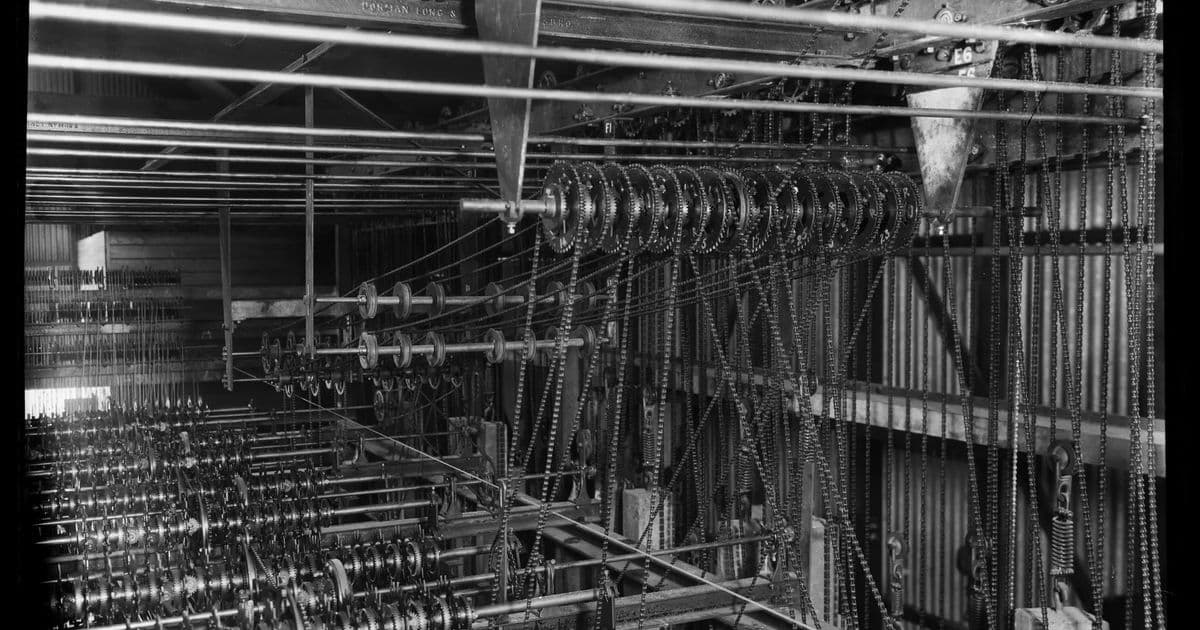
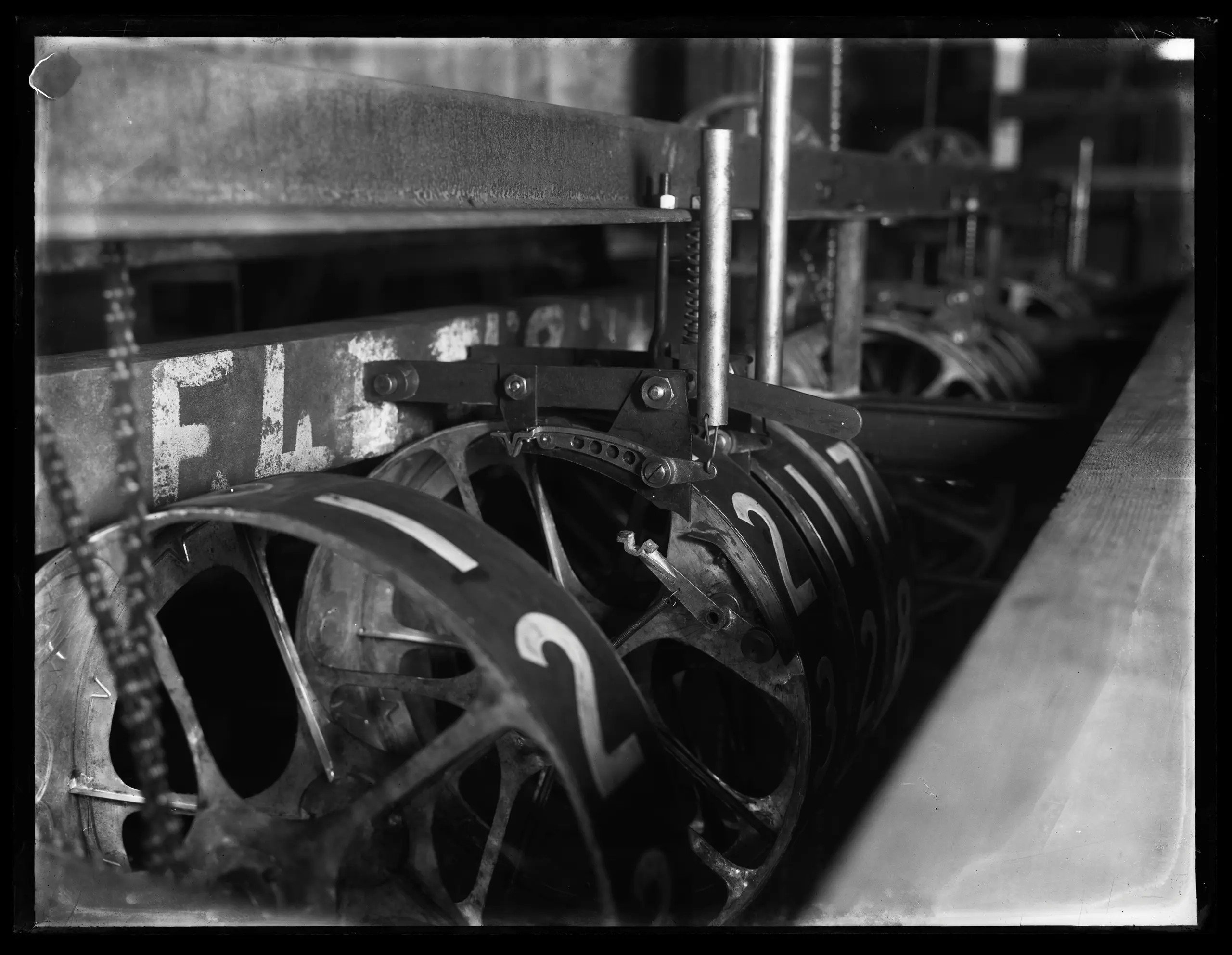
- Chain‑driven counters – pulling a wire advanced a gear‑wheel for that horse; a series of sprockets added the unit to a shaft adder that also turned the grand‑total counter.
- Gravity‑driven weights – concrete weights on chains provided the motive force; a worker on a catwalk cranked them back after each race.
- Display – large number wheels behind glass windows formed the tote board, showing the current total for every runner.
The system was entirely analog: the numbers you saw on the board were the numbers stored in the machine. When a race finished, the totals were read, the commission subtracted, and payouts calculated manually by the clerks.
3. Early attempts at automation before Julius
Across Europe, inventors tried to speed up the process. Two main approaches emerged:
- Ball‑bucket counters – each ticket dropped a steel ball onto a rail; the ball fell into a horse‑specific bucket, which was later weighed to determine the number of tickets sold.
- Single‑teller adding machines – miniature adding‑machine style devices helped a lone clerk keep a running sum, but they could not aggregate data from multiple tellers.
Both methods suffered reliability issues and, crucially, still required manual updates of the public board.
4. George Julius and the first parallel automatic totalisator
Born in England, raised in New Zealand, and later a railway engineer in Australia, George Julius turned his attention to the problem while tinkering with an election‑tabulating device. In 1913 his company Totalling Mechanisms Ltd (later Automatic Totalisators Ltd, ATL) delivered the first fully automatic, parallel‑operation totalisator to the Ellerslie Racecourse.
Why it mattered
- Real‑time totals – every lever pull instantly updated the board, eliminating the lag that plagued earlier systems.
- Single mechanical core – the number wheels themselves performed the addition; the board was the calculator.
- Scalability – 30 teller stations could feed the same mechanism without jamming, thanks to clever escapements and one‑way clutches.
The machine handled over £41,000 in wagers on its inaugural day, processing roughly 83 000 tickets. Though it cost Julius more than twice the contract price and required a sizable maintenance crew, the public loved watching the wheels spin.
5. From steam‑driven gears to electromechanical giants
The electric turn (1920s‑30s)
By the early 1920s ATL replaced concrete weights with electric motors and introduced solenoid‑actuated levers. Tellors now pressed buttons; a pulse traveled to the central board, advancing the counters without any manual cranking. This allowed tellers to be placed throughout the grandstand rather than clustered in a single room.
The Longchamp leviathan (1928)
In Paris, ATL installed a massive electromechanical totalisator at Longchamp. The machine supported 270 tellers, used relay logic for calculations, and displayed odds on vertical bar‑graph “barometers” that rose as a horse’s chance grew. It stayed in service until 1973, outliving many of its contemporaries.
The American breakthrough – AmTote (1933)
Harry L. Straus founded the American Totalisator Company (AmTote). Their 1933 system at Arlington Park introduced incandescent‑bulb numerical displays driven by telephone‑style relays. The design was compact enough to ship nationwide, and the company later added a second “place” pool, enabling bettors to choose win or place tickets on the same machine.
6. The digital revolution – computers take the reins
The 1960s saw the first computer‑based totalisators. ATL’s 1966 installation at Aqueduct (NY) used two Honeywell 200 mainframes to poll ticket machines, update dozens of electronic boards, and compute payouts in milliseconds. By the 1970s, PDP‑8 minicomputers became the norm, and fully electronic displays replaced the old mechanical wheels.
Key advantages of the computer era:
- Instant odds – bettors could see updated odds the moment a ticket was printed.
- Multiple pools – win, place, quinella, exacta, and more could be calculated simultaneously.
- Networked off‑track betting – data could be transmitted to satellite betting shops, laying the groundwork for today’s online sportsbooks.
7. Legacy and why the totalisator still matters
- Public trust through transparency – The original promise of a “fair” machine lives on in modern regulated betting, where every transaction is logged and auditable.
- Display technology – Early incandescent digit panels for totalisators inspired the first large‑scale electronic scoreboards and later the LED signage that now decorates stadiums worldwide.
- Data‑driven wagering – The concept of a pooled market where odds emerge from collective belief is the backbone of today’s prediction markets and decentralized finance platforms.
- Cultural imprint – The towering tote boards of historic tracks remain iconic symbols of the sport; many still house vintage mechanical counters as museum pieces.
8. Where to see a totalisator today
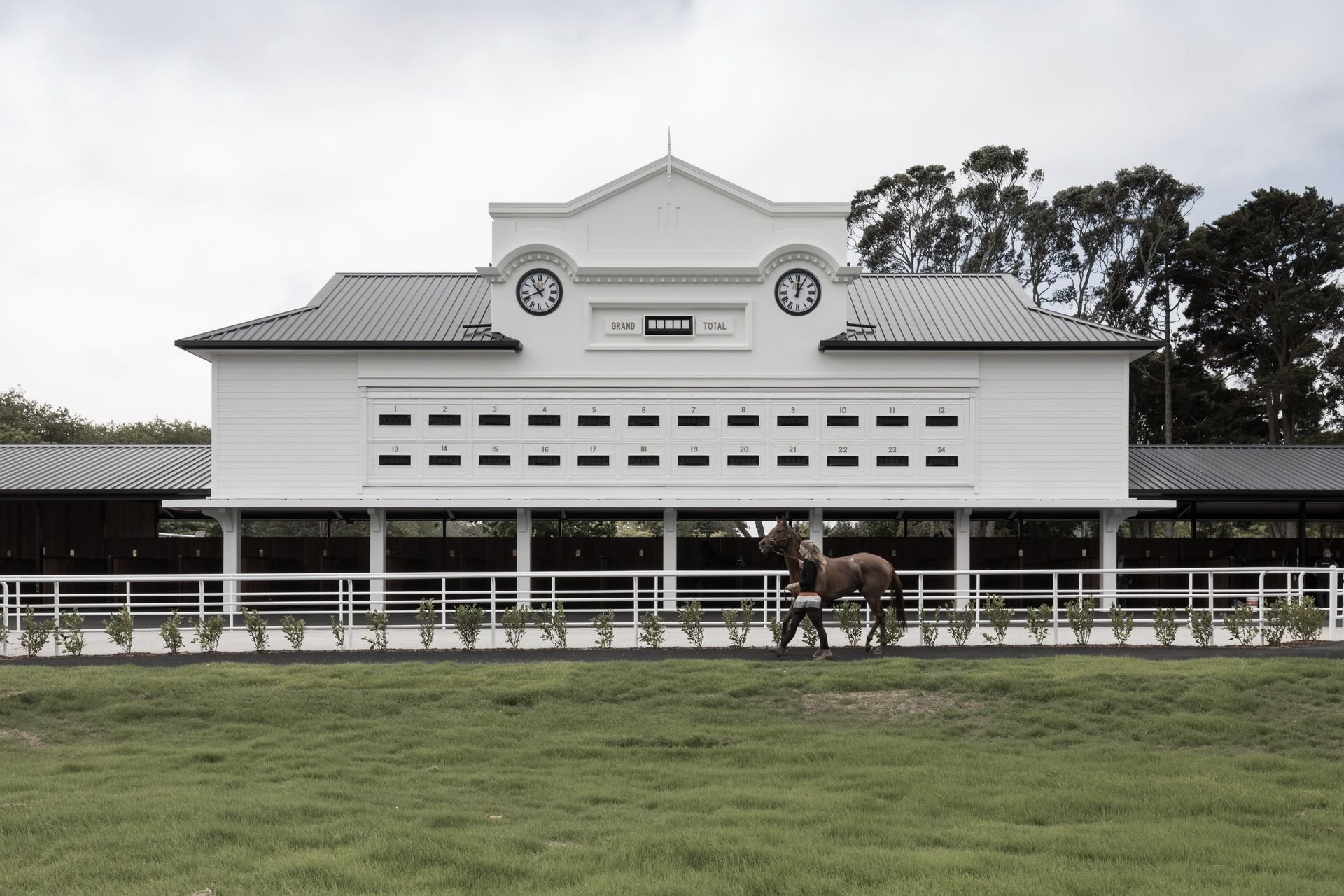
- Ellerslie Racecourse (Auckland) – The original 1913 building still stands, and a restored mechanical counter can be toured on heritage days.
- Longchamp, Paris – A preserved section of the 1928 ATL machine is on display at the Musée des Arts et Métiers.
- National Museum of Computing, Bletchley Park – Hosts a working AmTote relay‑logic unit from the 1950s.
9. Further reading & resources
- The University of Auckland’s paper on the Ellerslie totalisator – PDF link
- ATL corporate history (archived) – Automatic Totalisators Ltd.
- AmTote’s modern product line – AmTote Gaming
- A deep dive into early electromechanical displays – IEEE Annals of the History of Computing, 2020.
10. Closing thoughts
The totalisator is more than a piece of betting equipment; it is a bridge between human chance and mechanical certainty. From the clatter of steel balls in a 19th‑century bucket to the silent hum of a cloud‑based microservice calculating odds for millions of online users, the quest to make wagering transparent, fast, and fair has driven a century of innovation. As we watch modern sportsbooks deploy AI‑generated odds and blockchain‑based pools, we can trace every line of code back to a lever‑pull in a New Zealand tote house over a hundred years ago.
Image credits:
- IMAGE 3 – Julius totalisator adder, Powerhouse Museum Collection
- IMAGE 4 – Former Ellerslie tote house, Haydn & Rollett Architects
Comments
Please log in or register to join the discussion