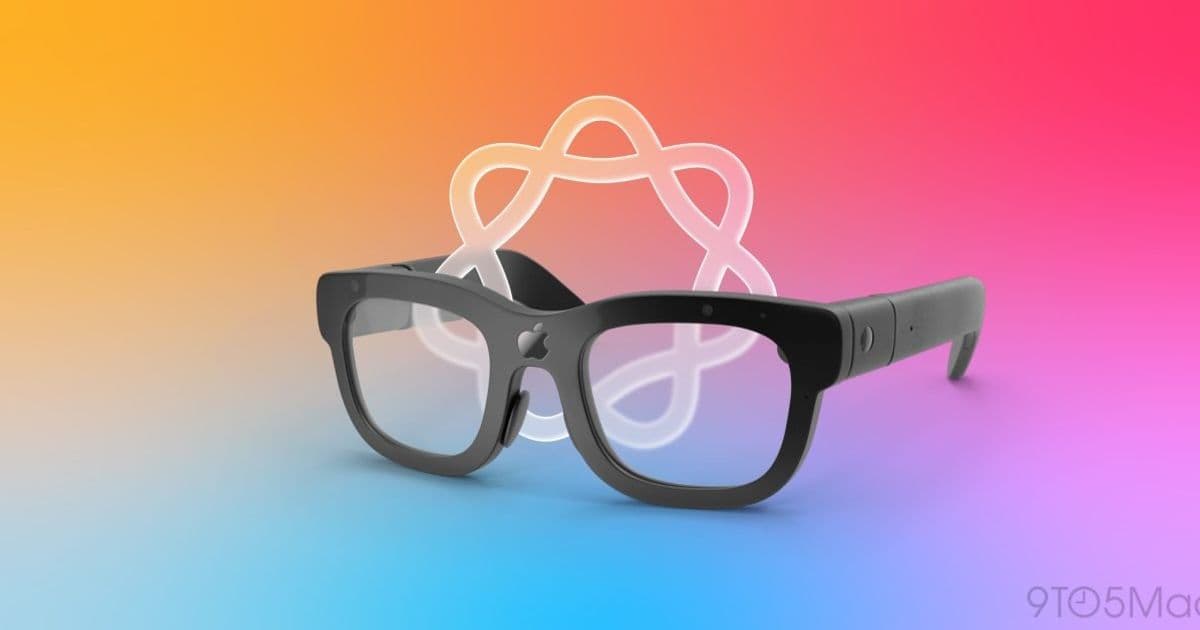
Apple’s next‑gen AI smart glasses, codenamed N50, will now launch near the end of 2027 after a series of technical setbacks. A lighter version of Vision Pro, called Vision Air, is expected in 2028‑29. The timeline shift has concrete implications for iOS, Android and cross‑platform developers who are planning to target Apple’s upcoming eyewear platform.
Apple AI Glasses Delayed to Late 2027, Vision Air Pushed to 2028‑29
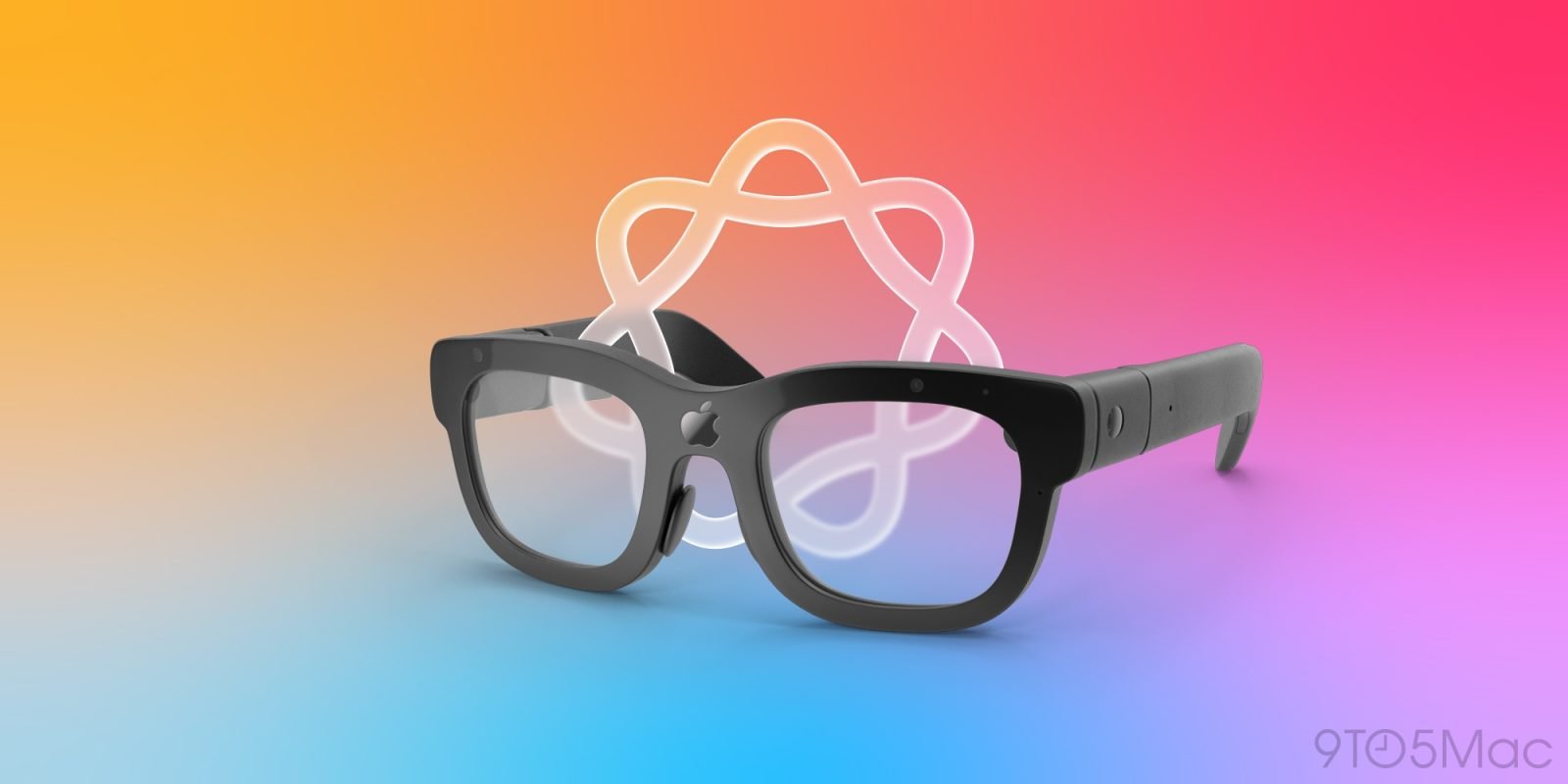
Apple’s AI‑focused smart glasses—internally known as N50—have slipped from an early‑2027 rollout to the end of 2027, according to Bloomberg’s Mark Gurman. The company also confirmed that a slimmer, lower‑priced sibling of Vision Pro, dubbed Vision Air, will not appear until late 2028 or 2029. While the dates have moved, the core technical roadmap remains unchanged, and developers need to adjust their plans accordingly.
Platform update
- Hardware target: N50 will use a custom Apple‑designed R‑Series processor (rumored to be the A17 XR), dual oval‑shaped cameras, and a mixed‑reality waveguide display. Vision Air is expected to ship with a M5‑class chip, a lighter optical stack, and a price point around $1,999.
- Operating system: Both devices will run a variant of visionOS 2.0, scheduled to ship with the hardware. Apple has opened a beta program for visionOS 2.0 in June 2026, and the final public release is tied to the hardware launch dates.
- SDKs:
- visionOS SDK 2.0 (part of Xcode 15.4) is now available for developers. It adds support for ARKit 6, new SiriKit Intelligence extensions, and a SwiftUI 3‑compatible UI layer for eyewear.
- RealityKit 3 introduces low‑latency eye‑tracking APIs and a frame‑style theming system that matches the multiple frame options Apple plans to ship.
- Cross‑platform considerations: Android developers can experiment with the OpenXR‑compatible preview layer Apple released in August 2026. This layer maps visionOS rendering calls to OpenXR, allowing a single codebase to target both platforms with minimal changes.
Developer impact
iOS‑centric teams
- Siri integration: Apple plans to launch the next Siri update (iOS 18.1) before the glasses ship. Developers can register Intelligent Intent handlers that run on‑device, giving the glasses a fast, offline voice experience.
- App Store distribution: Vision‑specific apps will be submitted through the App Store Connect portal under a new “visionOS” bundle identifier. Existing iOS apps can be ported by adding a
visiontarget in Xcode; Apple’s migration guide suggests a 30‑40 % code reduction when reusing SwiftUI views. - HealthKit extensions: Apple hints that future N50 models may include health sensors. Early access to the HealthKit Vision framework is available in the beta, letting developers prototype eye‑strain monitoring and prescription‑adjusted rendering.
Android‑first teams
- OpenXR bridge: The preview bridge translates visionOS shaders to Vulkan on Android devices, meaning a Unity or Unreal project can be compiled for both platforms with a single export. Documentation lives in the Apple OpenXR GitHub repo.
- Feature parity: Not all Apple‑specific APIs (e.g., SiriKit) have equivalents on Android. Teams should abstract voice interactions behind a cross‑platform interface and fall back to Google Assistant when running on Android headsets.
- Testing: Apple will provide a cloud‑based visionOS emulator in the Apple Developer Portal. Android developers can use this emulator to validate UI layout before hardware arrives.
Migration path
- Update toolchain – Install Xcode 15.4 (or later) and enable the visionOS SDK. Android teams should pull the latest OpenXR‑Apple package via Gradle.
- Create a shared UI layer – Move reusable UI code into a SwiftUI/Jetpack Compose‑compatible module. Both frameworks support a declarative syntax that maps cleanly to the other.
- Add platform adapters – Implement thin wrappers for voice (Siri vs. Assistant) and sensor APIs (HealthKit Vision vs. Google Fit). Keep the core business logic platform‑agnostic.
- Run on the emulator – Use Apple’s cloud emulator for early UI/UX testing. Android developers can also test on existing Quest 3 devices using the OpenXR bridge.
- Beta submission – Submit a visionOS beta build through TestFlight by Q2 2027. Gather feedback from internal testers and iterate before the final release.
What this means for the market
Apple’s delay gives developers a longer runway to mature their visionOS codebases and to experiment with the OpenXR bridge. The extended timeline also aligns the release of Vision Air with the next generation of Apple silicon, meaning performance will be competitive with high‑end Android AR headsets.
For teams that have already invested in ARKit and RealityKit, the shift is largely a scheduling change. For Android‑first shops, the OpenXR bridge offers a practical path to reach Apple’s emerging eyewear market without abandoning existing Android assets.
Resources
- Apple visionOS 2.0 documentation
- Xcode 15.4 release notes
- OpenXR‑Apple GitHub repository
- Apple’s visionOS beta program
The timeline may still shift as Apple finalizes its hardware design, but the SDK roadmap is now concrete enough for developers to start building today.
Comments
Please log in or register to join the discussion