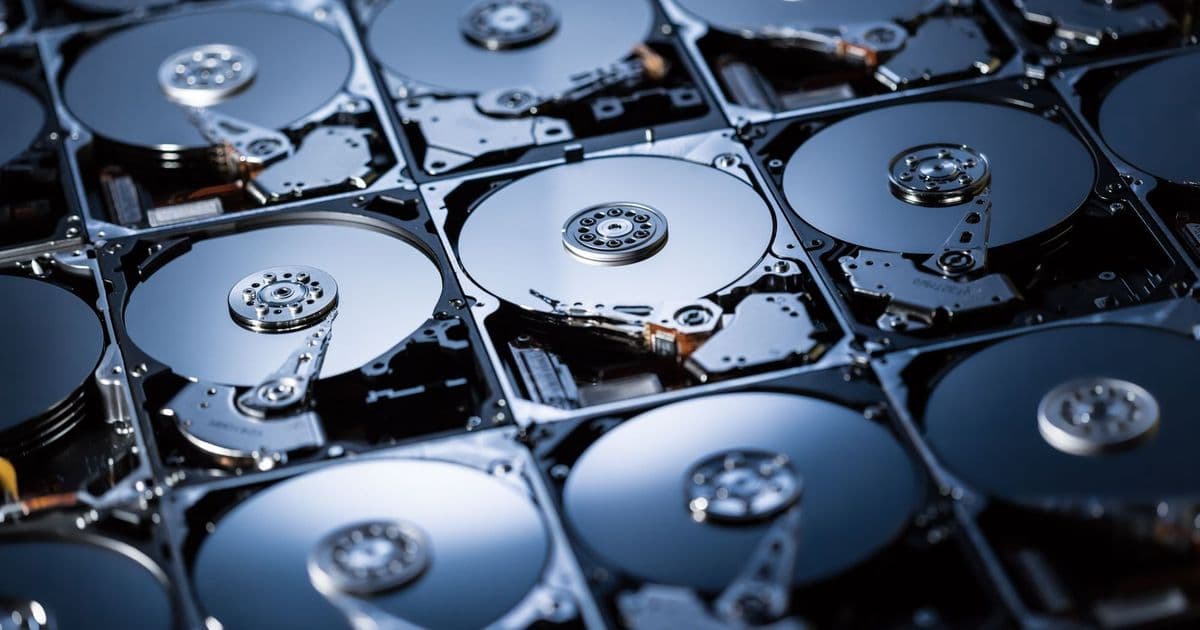
Toshiba's decision to refund enterprise hard drives at original purchase prices rather than replacing them highlights the unprecedented pressure on storage supply chains as AI data centers drive unprecedented demand for high-capacity storage solutions.
The recent case of Toshiba refusing to replace a 20+ TB enterprise hard drive under warranty, instead offering a refund at the original purchase price, has brought attention to the growing pressures on storage supply chains. This incident, documented in a Reddit post by a user representing a company that purchased several drives for their storage array, reveals how manufacturers are navigating unprecedented market conditions.
According to the documents examined, Toshiba refused the warranty replacement on the grounds of no available stock and a potential one-year wait time for a replacement 24TB model. This decision places customers in a difficult position, forcing them to repurchase failed drives at significantly higher current market prices. For enterprise customers who base purchase decisions on reliability, longevity, and manufacturer support, this approach undermines the fundamental value proposition of warranties.
The timing of this issue coincides with extraordinary market conditions in the storage industry. Global demand for high-capacity storage solutions has surged dramatically, driven primarily by AI data center expansion. Industry analysts project memory makers will earn $551 billion from the AI boom alone, creating unprecedented demand for both memory and storage components.
This demand surge has led to significant price increases across the storage market. The Reddit user speculated that "they saw dollar signs from the AI bubble and sold off their safety stock or are seeing an unusually high failure rate in those drives." This sentiment reflects broader concerns about manufacturers prioritizing current sales over warranty obligations during periods of high demand and pricing.
The Toshiba case is not isolated. Another Reddit user reported issues with Silicon Power RAM, being charged a 15% depreciation fee for returning defective sticks. This becomes particularly problematic when considering current market conditions: a pair of 8GB DDR5 RAM sticks now costs over $200, compared to less than $55 before the shortage. The refund amount wouldn't cover even a single replacement module at current prices.
From a technical perspective, enterprise hard drives represent a specialized segment of the storage market. These drives typically feature higher reliability metrics, advanced error correction, and optimized performance for 24/7 operation in server environments. The 20+ TB capacity class represents the upper end of consumer-available enterprise storage, with manufacturers like Toshiba, Seagate, and HGST (now part of Western Digital) competing in this space.
The manufacturing of high-capacity hard drives involves several technical challenges. Increasing storage density while maintaining reliability requires advances in magnetic recording technology, servo systems, and mechanical components. The current supply constraints suggest these manufacturers may be prioritizing production for new sales over warranty replacements, potentially straining their relationships with enterprise customers who rely on consistent availability of replacement parts.
Market analysts note that the storage industry typically operates with inventory buffers to handle warranty claims and replacements. However, the unprecedented demand from AI applications has depleted these buffers across the industry. This has created a situation where manufacturers must make difficult decisions about allocating limited production capacity between new sales and warranty obligations.
The broader implications of this trend extend beyond individual warranty cases. As AI data centers continue to expand, the demand for high-capacity storage solutions will likely remain elevated. This could lead to a fundamental shift in warranty policies across the industry, with manufacturers potentially implementing more restrictive terms or adjusting pricing models to account for volatile market conditions.
Enterprise customers facing these challenges may need to reconsider their storage procurement strategies. This could include diversifying suppliers, increasing buffer inventories, or negotiating more explicit warranty terms that account for market volatility. The current situation highlights the importance of understanding not just the technical specifications of storage components, but also the financial and supply chain implications of warranty commitments.
As the storage industry continues to navigate these unprecedented conditions, customers should expect continued volatility in both availability and pricing. The Toshiba case serves as a reminder that warranty policies may need to be evaluated in the context of broader market dynamics, particularly during periods of extraordinary demand driven by emerging technologies like AI.
Comments
Please log in or register to join the discussion