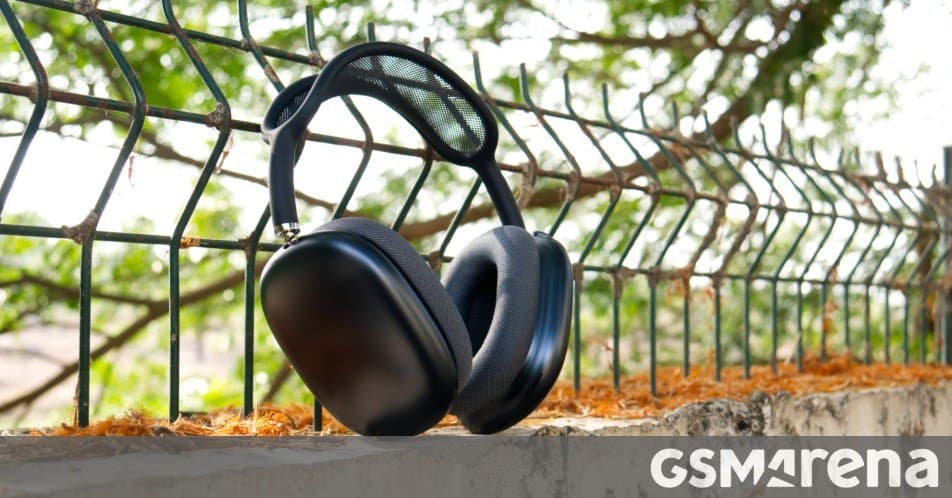
Apple's third-generation flagship headphones arrive with improved noise cancellation and audio processing, while maintaining the distinctive design that has defined the premium over-ear category since 2020.
Apple has introduced the AirPods Max 2, marking the third iteration in its premium over-ear headphone lineup. Priced at $549, the new model maintains the distinctive design language established by the original AirPods Max while introducing meaningful performance upgrades centered around the new Apple H2 chip.
Evolution of a Flagship
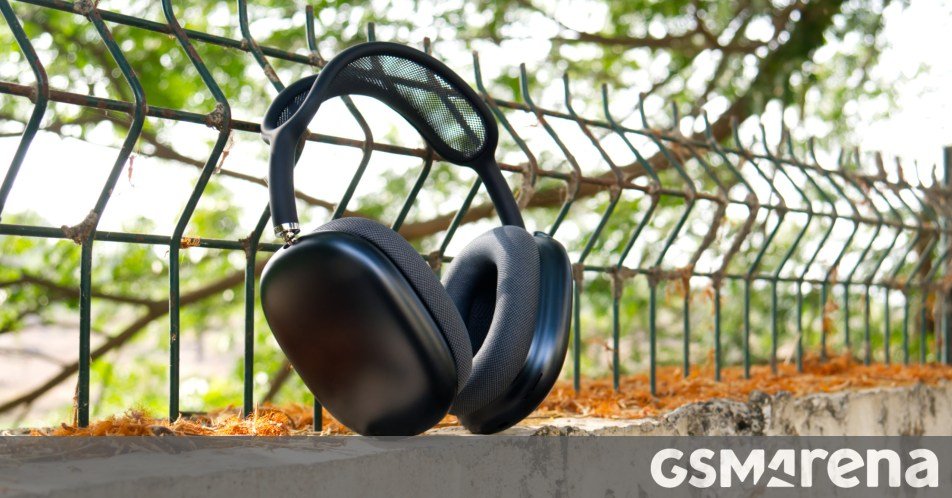
The AirPods Max series has had an interesting evolution path. The original model launched in late 2020 featured a striking design with aluminum construction and the then-standard Lightning port. In 2024, Apple released a subtle refresh that replaced Lightning with USB-C and added new color options, which this article aptly dubs the "AirPods Max 1.5." The new AirPods Max 2 continues this design language, making it visually indistinguishable from its predecessors for most users.
The packaging remains minimalistic, containing only the headphones, the Smart Case, and a USB-C cable. Notably, the Smart Case is now color-matched to the headphones, a welcome consistency that wasn't present in previous iterations. However, the USB-C cable maintains its generic black appearance, which seems inconsistent with Apple's approach to color-matching accessories in other product lines.
Core Improvements: H2 Chip and Enhanced Performance
The most significant upgrade in the AirPods Max 2 is the inclusion of the Apple H2 chip, which also powers the AirPods Pro 2 and select Beats products. This new processor brings several key improvements:
Enhanced Active Noise Cancellation: Apple claims 1.5x more effective noise cancellation compared to previous models. This improvement comes from more sophisticated processing algorithms that can better identify and neutralize a wider range of ambient sounds.
Improved Audio Quality: A new high dynamic range amplifier delivers more precise audio reproduction with greater clarity across the frequency spectrum. This should result in more detailed sound, particularly in complex musical passages.
Reduced Latency: The H2 chip brings improved audio processing speeds, which should reduce latency for video content and gaming applications. This addresses one of the pain points of the original AirPods Max, which had noticeable audio-visual lag in some scenarios.
Enhanced Microphone Performance: The call quality should see improvements with better beamforming and noise suppression algorithms, making voice calls clearer in noisy environments.
New Software Features: The H2 chip enables support for additional features like Live Translation, which can translate conversations in real-time through the headphones.
What Remains the Same
Despite the internal upgrades, several key aspects of the AirPods Max experience remain unchanged:
Battery Life: Apple maintains the 20-hour battery life claim, unchanged from previous models. This remains competitive in the premium headphone space but doesn't represent an improvement over the status quo.
Design and Build: The physical form factor, materials, and construction are identical to the original AirPods Max. While the design has aged well, some users might appreciate more modern styling options or weight reduction.
Accessories: The controversial Smart Case returns unchanged, offering minimal protection and deactivating the headphones when stored. Apple continues to omit a more protective hard case from the package.
Ecosystem Considerations
The AirPods Max 2 continues Apple's strategy of creating tightly integrated products that work best within the Apple ecosystem. While the headphones will connect to Android devices via Bluetooth, many of the advanced features require an Apple device running the latest iOS or iPadOS.
The H2 chip represents Apple's ongoing investment in custom silicon for audio products. This approach mirrors Apple's strategy for its main processors, allowing for tighter integration between hardware and software. For Apple users, this ecosystem lock-in provides a cohesive experience with automatic device switching, spatial audio support, and seamless integration with other Apple products.
For Android users, the AirPods Max 2 functions as a premium Bluetooth headphone with good noise cancellation and sound quality, but misses out on many of the ecosystem-specific features that make AirPods particularly appealing within Apple's world.
Market Positioning
At $549, the AirPods Max 2 competes in the premium over-ear headphone segment against established players like Sony, Bose, and Sennheiser. The Apple brand commands a premium price, but the inclusion of meaningful upgrades with the H2 chip helps justify the cost for existing AirPods Max owners considering an upgrade.
The unchanged design might disappoint those hoping for a more modern aesthetic, but the performance improvements address some of the original model's shortcomings. For new buyers, the AirPods Max 2 represents a refined version of a proven design with tangible benefits in noise cancellation and audio processing.
Our full review will provide detailed testing of these claims, including real-world battery performance, comfort evaluation during extended use, and critical listening tests to assess the audio quality improvements. Stay tuned for our comprehensive analysis of Apple's latest flagship headphones.
Comments
Please log in or register to join the discussion