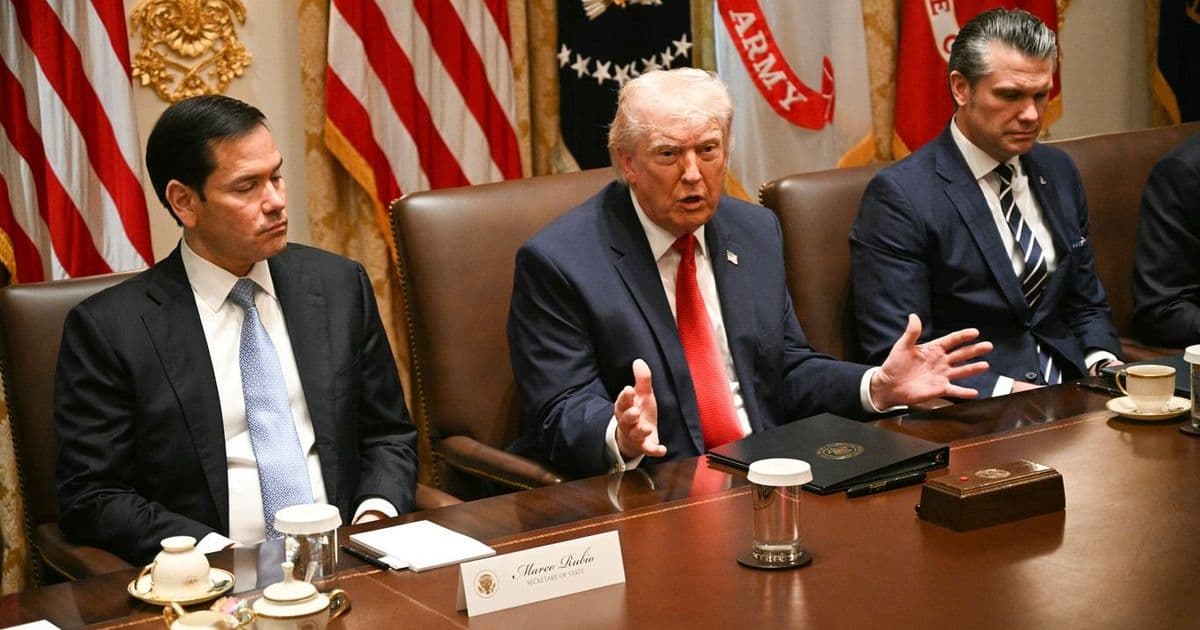
President Trump has gathered his national security team for emergency discussions as tensions escalate in the Strait of Hormuz, with potential implications for global oil markets and regional stability.
President Donald Trump has convened an emergency meeting in the White House Situation Room to address escalating tensions in the Strait of Hormuz, according to sources familiar with the matter. The high-level gathering comes as Iran has reportedly increased its military presence in the strategic waterway, raising concerns about potential disruptions to global oil shipments.
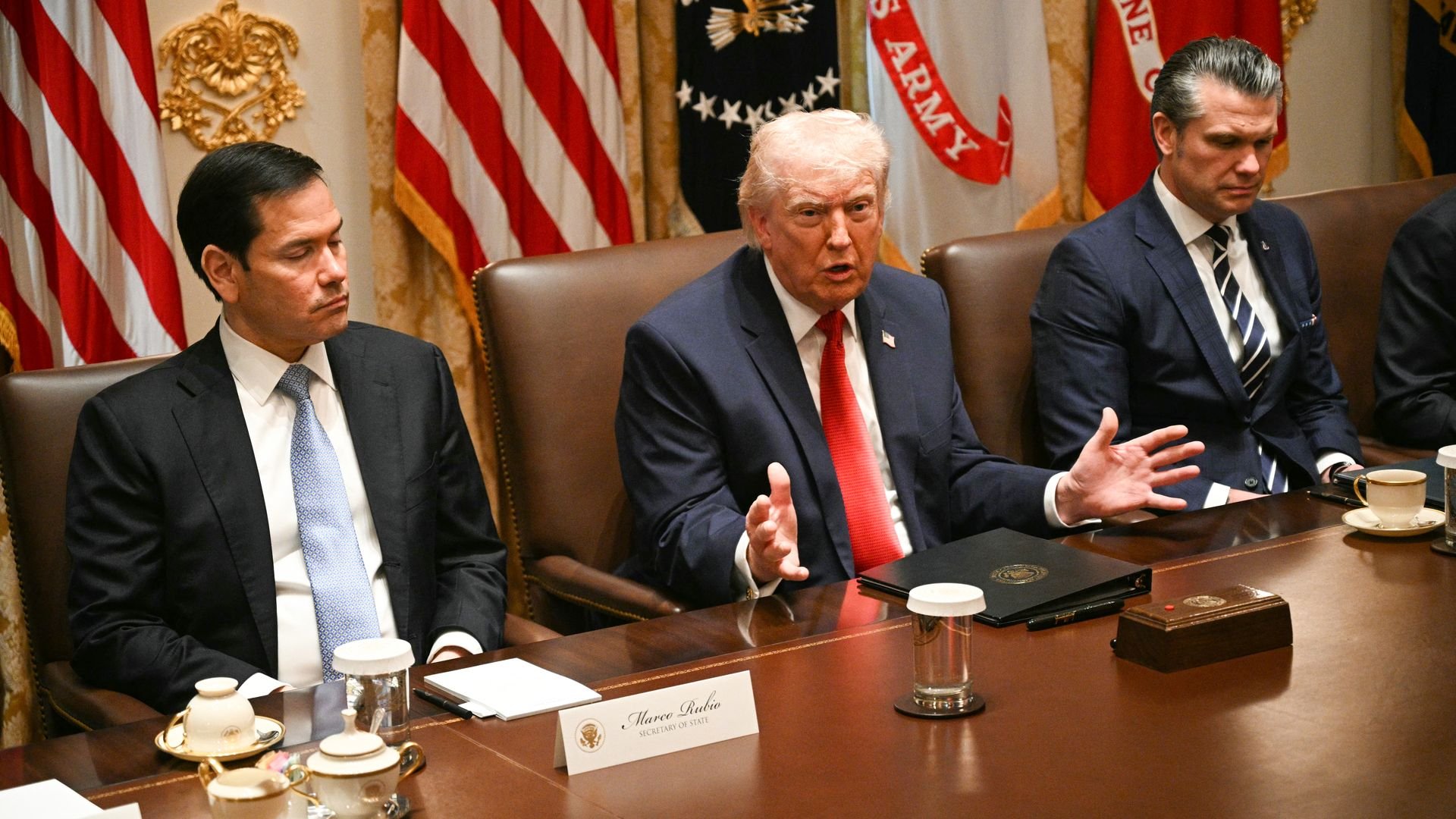
The meeting, which included Secretary of State Marco Rubio and Defense Secretary Pete Hegseth, focused on the latest intelligence regarding Iranian naval movements and potential threats to commercial shipping in the region. Sources indicate that the administration is weighing various response options as the situation continues to develop.
The Strait of Hormuz, a narrow passage connecting the Persian Gulf with the Gulf of Oman, handles approximately 20% of the world's oil shipments. Any significant disruption to traffic through this vital chokepoint could have immediate and severe consequences for global energy markets.
Recent satellite imagery and intelligence reports suggest that Iran has deployed additional naval assets to the area, including fast-attack boats and coastal defense systems. While Iranian officials have not publicly commented on the military buildup, regional analysts note that such deployments are typically aimed at demonstrating Tehran's ability to control access to the strait.
The timing of this escalation is particularly sensitive, coming amid ongoing negotiations over Iran's nuclear program and regional influence. The Trump administration has maintained a policy of "maximum pressure" on Tehran, including stringent sanctions and military deterrence.
Economic markets have already begun to react to the heightened tensions. Oil futures have shown increased volatility, with Brent crude prices rising by approximately 3.5% in the past 48 hours. Traders and analysts are closely monitoring the situation, as any actual disruption to shipping could push prices significantly higher.
Defense Department officials have stated that U.S. naval forces in the region remain at a heightened state of readiness. The Fifth Fleet, based in Bahrain, has conducted several freedom of navigation operations in recent months, asserting the right of passage through international waters.
Diplomatic channels remain open, with the State Department confirming that back-channel communications with Iranian representatives continue. However, the tone of these discussions has reportedly become more strained in recent weeks.
The international community has expressed concern over the potential for miscalculation or accidental escalation. European Union officials have called for restraint on all sides, while neighboring Gulf states have increased their own military preparedness.
This latest crisis adds to a series of confrontations between the United States and Iran that have characterized much of Trump's foreign policy approach. From the withdrawal from the Iran nuclear deal to the targeted killing of Iranian General Qasem Soleimani, the relationship between Washington and Tehran has remained tense throughout the administration.
As the situation continues to evolve, the White House has stated that it will provide updates as appropriate. The administration's response to this latest challenge in the Strait of Hormuz could have significant implications for regional stability and global energy markets in the months ahead.
The emergency Situation Room meeting underscores the gravity with which the administration views the current developments in the Persian Gulf. With global economic recovery still fragile in many sectors, the potential for conflict in such a strategically vital area presents risks that extend far beyond the immediate region.
Comments
Please log in or register to join the discussion