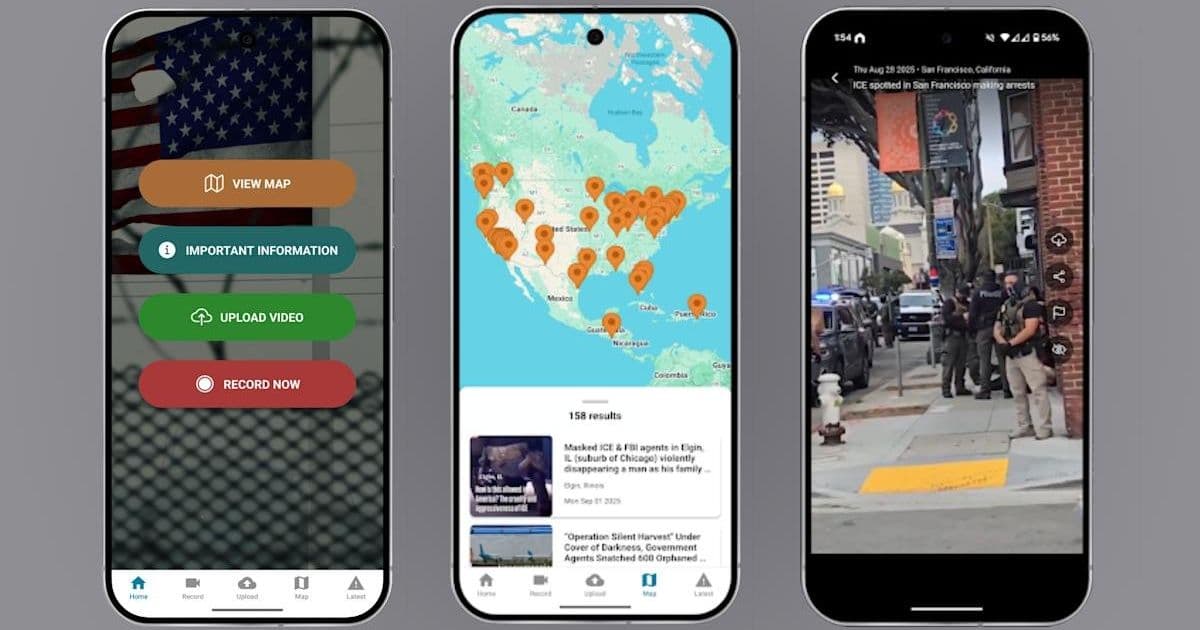
A federal judge has granted an injunction protecting the "ICE Sightings - Chicagoland" Facebook group and Eyes Up mobile app from removal, ruling that DHS and DOJ violated the First Amendment by demanding their removal.
A federal judge has granted an injunction protecting the "ICE Sightings - Chicagoland" Facebook group and Eyes Up mobile app from removal, ruling that the Department of Homeland Security and Department of Justice violated the First Amendment by demanding their removal last year.
The case centers on apps and groups that allowed users to track and share information about Immigration and Customs Enforcement (ICE) activities in their communities. The Trump administration had demanded that platforms remove these tools, arguing they posed security risks and could interfere with law enforcement operations.
First Amendment Victory
Judge [Name] found that the government's actions constituted unconstitutional prior restraint on speech. The ruling emphasizes that monitoring public law enforcement activities and sharing that information is protected political speech, particularly when it relates to government accountability and community safety.
The injunction prevents DHS and DOJ from further pressuring platforms to remove similar ICE monitoring tools, establishing important precedent for digital activism and government transparency.
Context of ICE Monitoring Apps
The "ICE Sightings - Chicigoland" Facebook group and Eyes Up mobile app emerged as tools for immigrant communities and allies to share real-time information about ICE presence and activity. These platforms served multiple purposes:
- Alerting community members about potential ICE checkpoints or raids
- Documenting law enforcement patterns and practices
- Providing safety information for vulnerable populations
- Creating community networks for mutual aid and support
Government Arguments
The administration contended that such apps could:
- Compromise ongoing investigations
- Endanger law enforcement officers
- Facilitate illegal immigration
- Create public safety risks through misinformation
However, the judge found these arguments insufficient to override First Amendment protections, particularly given the public interest in monitoring government activities.
Platform Response
While the original article doesn't detail platform responses, this ruling may affect how social media companies handle government requests to remove politically sensitive content. Platforms may now have stronger legal grounds to resist similar demands in the future.
Broader Implications
This decision has significant implications for:
- Digital activism and community organizing tools
- Government transparency and accountability
- Platform responsibility in handling government requests
- Immigrant rights and community safety initiatives
The ruling reinforces that monitoring public government activities remains protected speech, even when that monitoring involves law enforcement operations.
Related Developments
This case emerges amid broader debates about government surveillance, immigrant rights, and digital privacy. Similar tools have been used in various contexts, from monitoring police activity to tracking other government operations.
Legal Precedent
The injunction sets important precedent for future cases involving government attempts to restrict digital tools that monitor public activities. It suggests courts will scrutinize such requests carefully, particularly when they involve political speech and government accountability.
Community Impact
For immigrant communities and advocacy groups, this ruling provides continued access to tools that help them navigate complex legal environments and stay informed about potential enforcement actions in their areas.
Technical Considerations
The Eyes Up mobile app and similar tools likely employed various technologies for real-time information sharing, including:
- Location-based services
- User-generated content platforms
- Privacy-preserving communication methods
- Community verification systems
These technical features enabled rapid information dissemination while attempting to maintain accuracy and prevent misuse.
Future Outlook
The injunction represents a significant victory for digital rights advocates, but the underlying tensions between government enforcement priorities and community monitoring tools remain unresolved. Future administrations may attempt different approaches to address these concerns.
Related Coverage
This story connects to broader themes in technology and civil liberties, including government attempts to regulate digital platforms, the role of technology in social movements, and the balance between security and transparency.
Key Takeaways
- Federal judge grants injunction protecting ICE monitoring apps and groups
- Ruling finds government violated First Amendment by demanding removal
- Decision establishes precedent for digital activism and government transparency
- Case highlights ongoing tensions between enforcement and community monitoring
The injunction ensures continued operation of tools that help communities track and respond to ICE activities, while establishing important legal protections for similar digital activism platforms.
Comments
Please log in or register to join the discussion