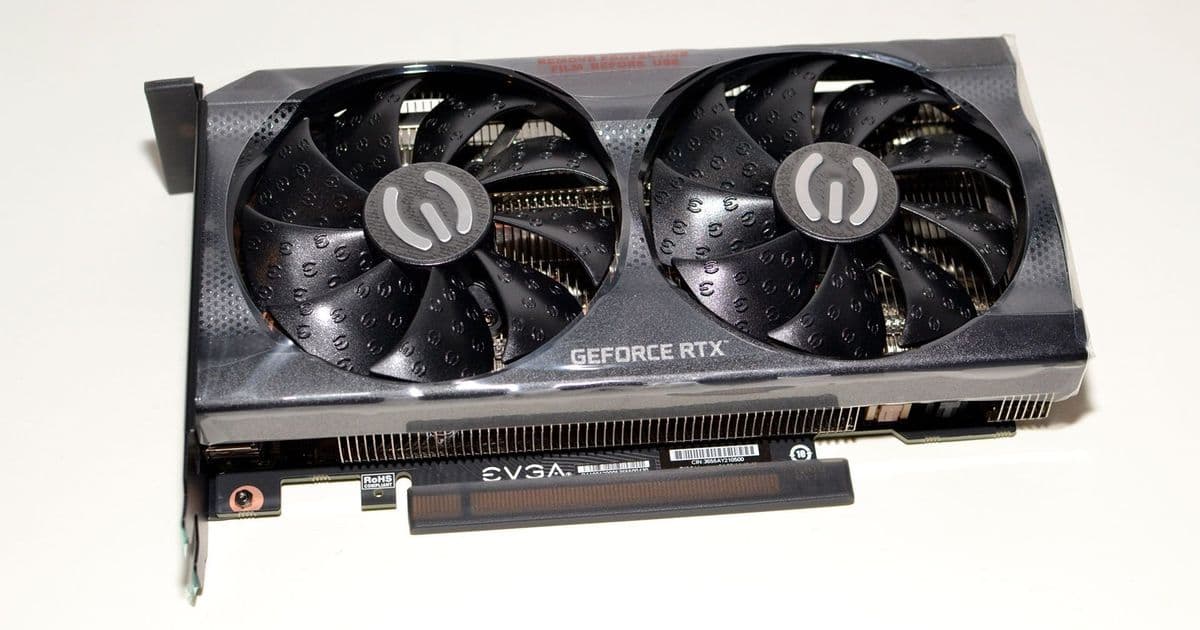
Nvidia reportedly plans to relaunch the RTX 3060 in June 2026 amid soaring GPU prices and memory shortages, while shelving plans for an RTX 5050 with 9GB VRAM.
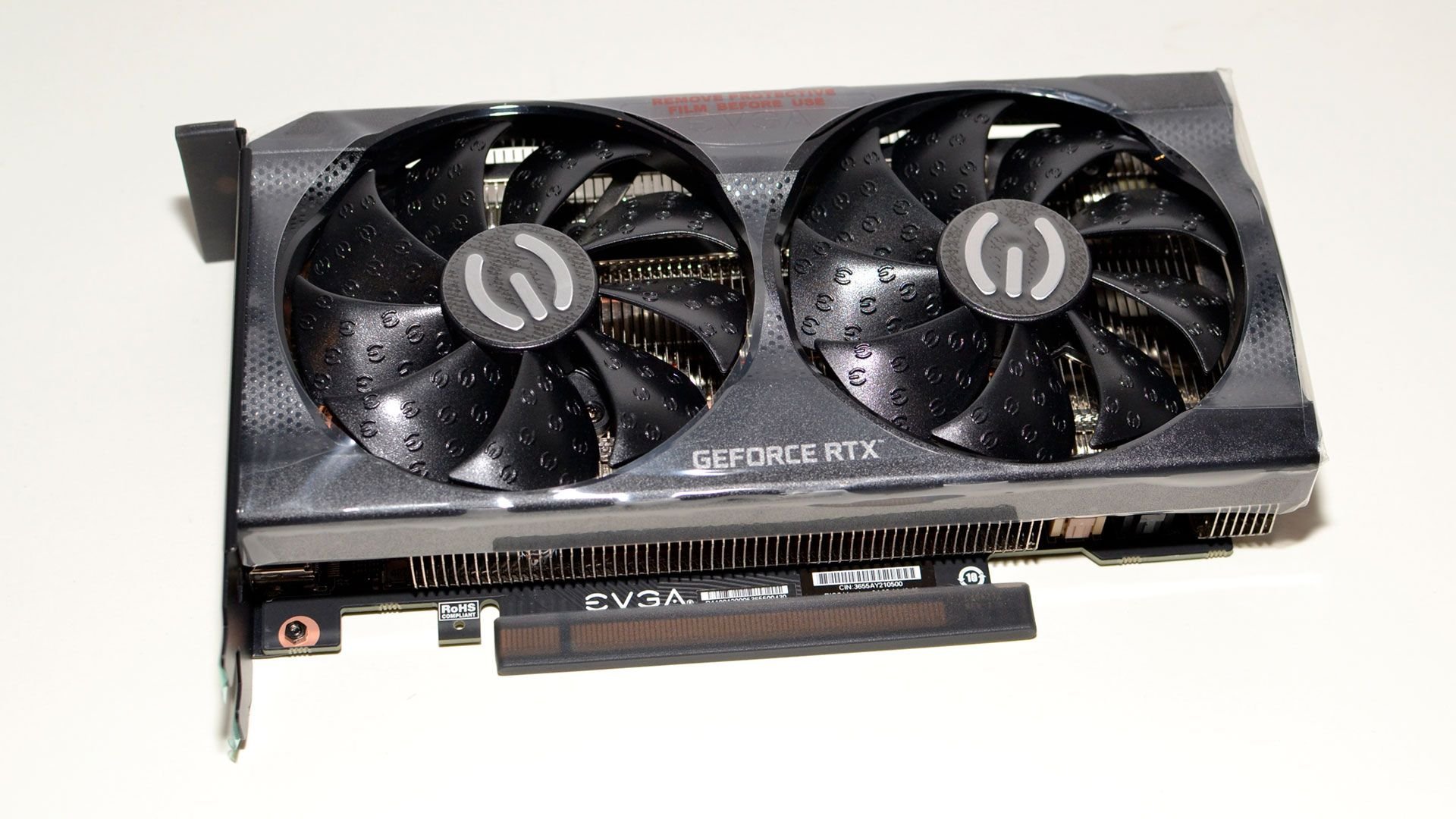
Nvidia is reportedly planning to bring back its two-generation-old RTX 3060 graphics card in June 2026, according to hardware leaker MEGAsizeGPU. This unexpected move comes as the company has temporarily halted plans to launch a 9GB VRAM version of its newer entry-level RTX 5050, creating a potential gap in Nvidia's budget GPU lineup that the RTX 3060 could fill.
The RTX 3060's Return: Technical Specifications and Market Context
The RTX 3060, originally launched in January 2021 with an MSRP of $329, features 3,584 CUDA cores, 12GB of GDDR6 memory on a 192-bit memory bus, and boost clock speeds of up to 1,777 MHz. This 12GB VRAM buffer has become increasingly relevant as modern games have grown more memory-intensive, giving the RTX 3060 a potential advantage over newer entry-level GPUs that continue to ship with just 8GB.
However, the Ampere-based GPU won't benefit from newer technologies such as DLSS frame generation, improved ray tracing performance, and the latest AI and video encoding enhancements found in more recent architectures. During our original review, we found the RTX 3060 to be a solid 1080p graphics card with just enough performance to handle certain 1440p games, though its overall performance didn't substantially outperform the previous generation.
Memory Economics Driving the Decision
Several factors appear to be driving Nvidia's decision to potentially relaunch an older GPU. The ongoing surge in memory prices has made GDDR6 significantly more cost-effective than the GDDR7 used in the RTX 50 series. By prioritizing faster memory for its current and future graphics card models, Nvidia can optimize its supply chain economics.
Additionally, the RTX 3060 was built using Samsung's 8nm process, which should be in lower demand and easier to manufacture than the newer TSMC 4N 5nm process used by Nvidia's RTX 40 (Ada Lovelace) and RTX 50 (Blackwell) series. This manufacturing advantage could help Nvidia maintain production capacity while managing costs.
The Shelved RTX 5050 and Market Implications
The shelving of the rumored RTX 5050 with 9GB VRAM adds another layer of complexity to Nvidia's product strategy. According to MEGAsizeGPU, "RTX 5050 9G is delayed, launch becomes pretty uncertain now. The newly produced RTX 3060 will fill the gap, ETA June 2026."
This decision suggests that Nvidia may be recalibrating its entry-level GPU strategy in response to market conditions. The 9GB configuration for the RTX 5050 would have been an unusual choice, potentially aimed at balancing performance with manufacturing costs in a challenging supply environment.
Current Market Conditions and Pricing Considerations
Currently, the RTX 3060 12GB is readily available for $350-$400 on Amazon and as low as $150-$200 on second-hand marketplaces like eBay. For a relaunch to make sense, Nvidia would likely need to target a price point around $200 to remain competitive in the budget GPU segment.
The broader memory market context is crucial here. AI data centers are swallowing the world's memory and storage supply, while chip scarcity continues to assault the auto industry amid the worsening Nexperia and DRAM crisis. Samsung and SK hynix have shortened memory contracts as pricing power shifts back to suppliers, with memory makers set to earn $551 billion from the AI boom.
Manufacturing and Supply Chain Considerations
Nvidia's decision reflects the complex interplay between manufacturing capabilities, memory availability, and market demand. The company's ability to leverage existing 8nm production capacity for the RTX 3060 while focusing newer 5nm capacity on higher-margin products demonstrates sophisticated supply chain management.
The shift in memory contracts and the massive profits being generated by memory makers indicate that GPU manufacturers are facing significant cost pressures. By reintroducing a GPU that uses more readily available and less expensive components, Nvidia may be positioning itself to maintain market share in the budget segment while managing production costs.
Looking Ahead: Potential Impact on the GPU Market
If Nvidia proceeds with the RTX 3060 relaunch at an attractive price point, it could provide welcome relief for gamers on tight budgets who have been priced out of the current GPU market. The combination of sufficient VRAM for modern gaming and potentially lower pricing could make it an attractive option despite its older architecture.
The shelving of the RTX 5050 also suggests that Nvidia may be taking a more cautious approach to its product roadmap, potentially waiting for memory supplies to stabilize before introducing new entry-level models. This strategy could help the company avoid the pitfalls of launching products that become immediately uncompetitive due to component costs.
As with all leaks and rumors, these details remain speculative until confirmed by Nvidia. However, the logic behind such a move aligns with current market conditions and the company's need to balance product offerings across different price segments while managing manufacturing and component costs in an increasingly challenging supply environment.


Comments
Please log in or register to join the discussion