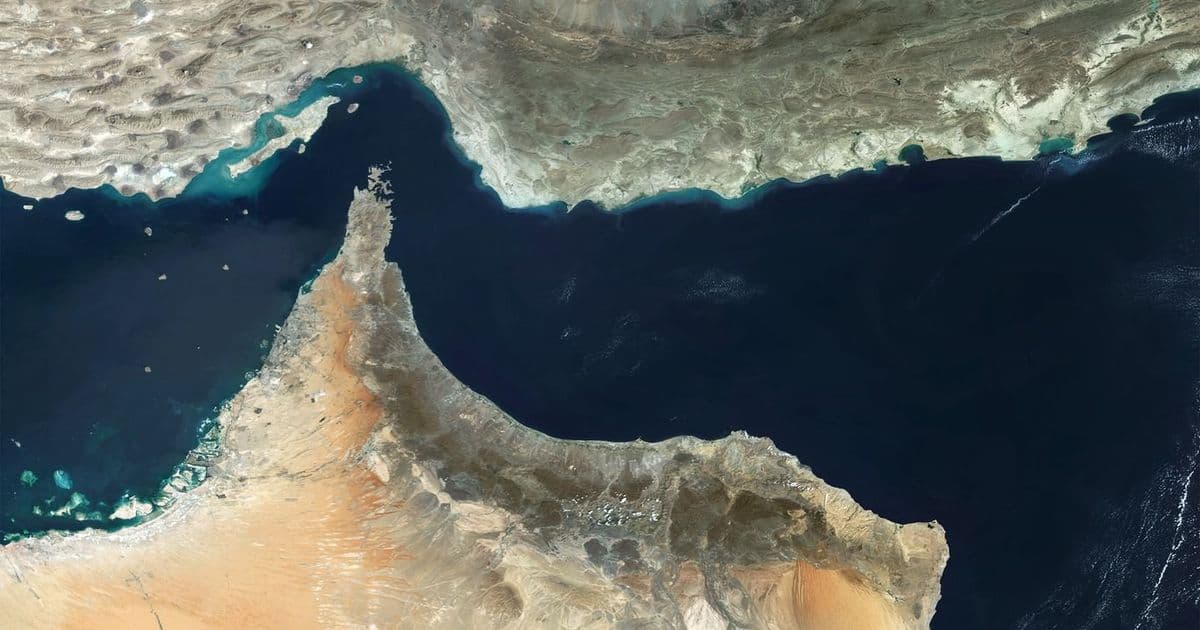
President Trump announced US military protection and insurance coverage for energy tankers navigating the Strait of Hormuz, as oil prices surged following escalating tensions with Iran.
President Donald Trump announced Wednesday that the United States would provide military escorts and insurance coverage for energy tankers operating in the Middle East, as oil prices jumped following escalating tensions with Iran.
The announcement came as benchmark Brent crude futures rose 4.3% to $78.45 per barrel, while West Texas Intermediate crude climbed 4.7% to $74.20 per barrel. The Strait of Hormuz, through which approximately 20% of global oil supplies pass daily, has become a focal point of geopolitical risk.
Military Escort and Insurance Details
Trump's proposal includes:
- US Navy escort vessels for commercial tankers
- US government-backed insurance coverage for vessels transiting the Strait
- Coordination with allied nations to ensure safe passage
- Potential sanctions on entities threatening maritime security
The Strait of Hormuz, shown in 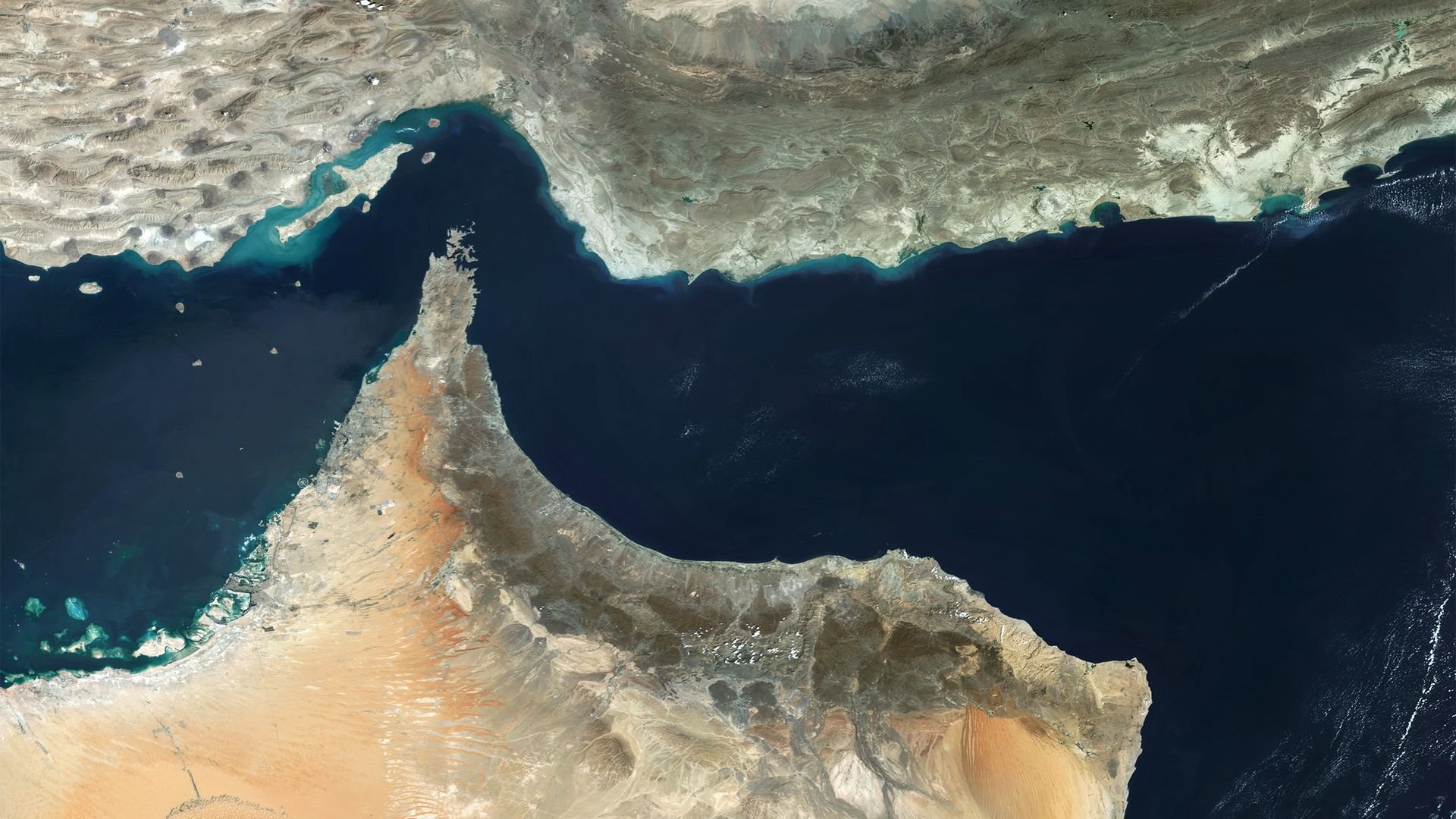 , represents one of the world's most critical maritime chokepoints. Approximately 21 million barrels of crude oil and petroleum products pass through the 21-mile-wide waterway daily.
Market Impact
The insurance announcement triggered immediate market reactions:
- Global shipping insurance rates for Middle East routes increased 15-20%
- Energy sector stocks rose across major exchanges
- Risk premiums on oil futures contracts expanded
- Shipping companies with Gulf exposure saw share price volatility
Major energy companies including ExxonMobil, Chevron, and BP have already rerouted some vessels away from the immediate vicinity of the Strait, adding 3-5 days to delivery times and increasing costs.
Geopolitical Context
The move follows weeks of escalating rhetoric between Washington and Tehran, with Iranian officials warning they could close the Strait in response to US sanctions. The US maintains a significant military presence in the region, including the Fifth Fleet headquartered in Bahrain.
Industry analysts note that while the US military presence provides some reassurance, the insurance component represents an unprecedented government intervention in commercial maritime operations.
What This Means
This development signals a significant escalation in US involvement in Middle East energy security. The combination of military protection and government insurance coverage effectively nationalizes risk management for a critical global commodity flow.
The policy shift could have lasting implications for global energy markets, potentially leading to:
- Higher baseline oil prices due to increased security costs
- Restructuring of global shipping routes and insurance markets
- Increased pressure on US taxpayers to underwrite commercial risks
- Potential retaliatory measures from Iran affecting other maritime chokepoints
The coming weeks will reveal whether allied nations join the US initiative or pursue independent security arrangements for their energy supplies.
Comments
Please log in or register to join the discussion