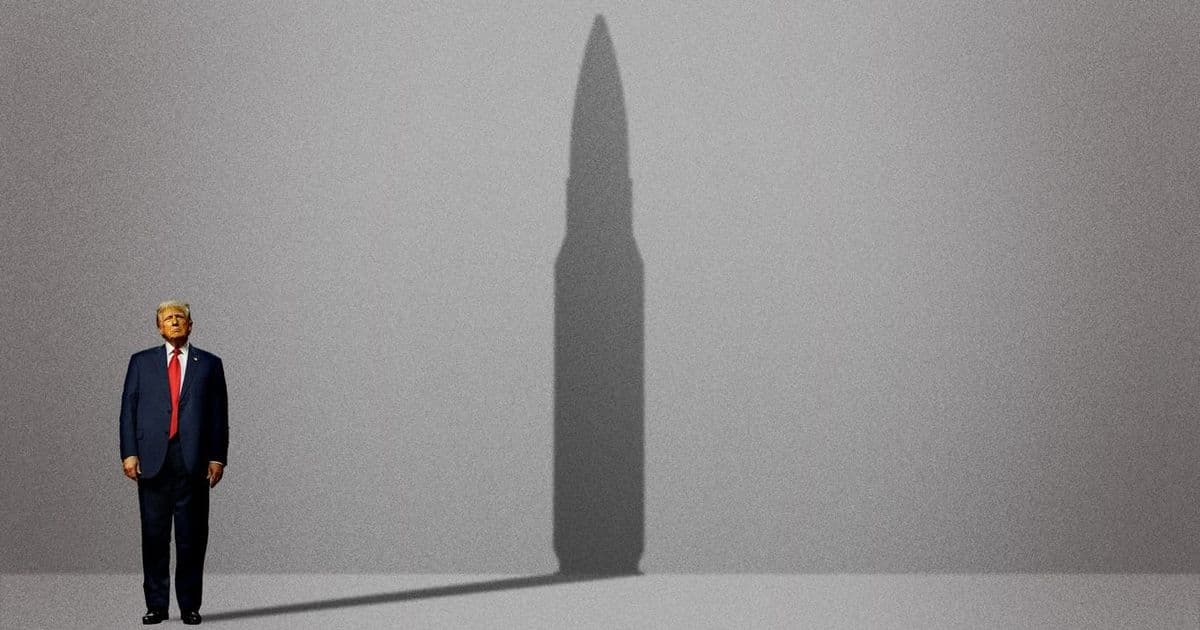
Former President Trump's evolving stance on gun policy is creating political challenges for Republican lawmakers who must balance their traditional pro-gun base with shifting public sentiment on gun control.
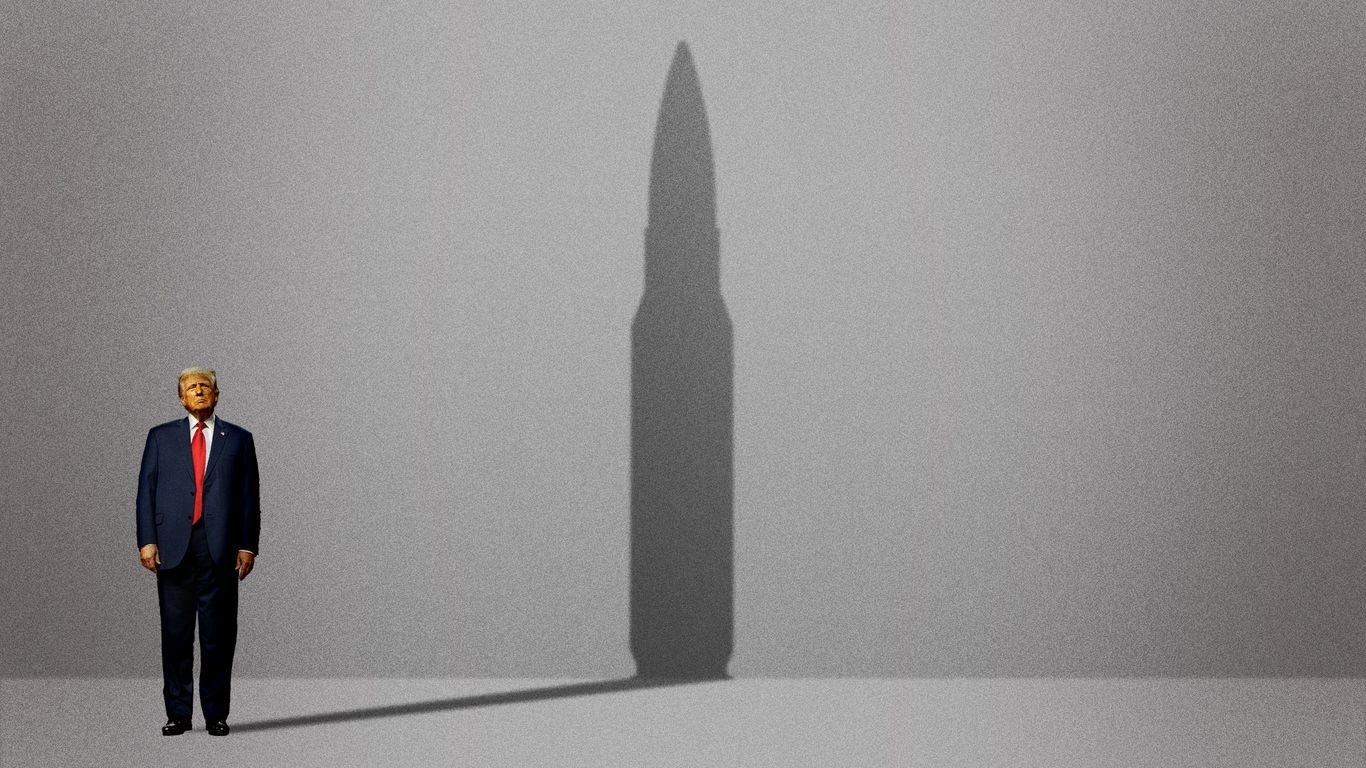
Former President Donald Trump's recent comments on gun policy have placed Republican lawmakers in a difficult political position, forcing them to navigate between their traditional pro-gun base and evolving public sentiment on firearm regulations.
The Political Tightrope
The tension emerged as Trump has begun to signal potential openness to certain gun control measures, marking a departure from his previously unwavering support for Second Amendment rights. This shift comes as Republicans face increasing pressure from both sides of the debate.
For decades, the Republican Party has maintained a staunchly pro-gun rights position, aligning closely with organizations like the National Rifle Association. This alignment has been a cornerstone of conservative political identity and a reliable motivator for the party's base voters.
Public Opinion Shift
Recent polling indicates a significant shift in American attitudes toward gun control:
- 63% of Americans now support stricter gun laws, according to a 2023 Gallup poll
- 56% believe that gun laws should be more strict than they are currently
- 92% support universal background checks, including 88% of Republicans
These numbers represent a notable change from previous years, putting pressure on Republican lawmakers to reconsider their positions.
Legislative Challenges
The political calculus for Republicans has become increasingly complex:
- Base voters remain strongly committed to gun rights
- Suburban voters, crucial for swing districts, increasingly favor gun control
- Independent voters show growing support for moderate gun regulations
- Corporate pressure has intensified following high-profile mass shootings
Strategic Implications
This shift creates several strategic challenges for the Republican Party:
- Primary elections: Candidates must appeal to pro-gun base voters
- General elections: Moderate positions may attract swing voters
- Fundraising: Balancing NRA support with broader donor interests
- Messaging: Crafting positions that don't alienate key constituencies
Historical Context
The current situation echoes previous moments in American politics when gun policy has created internal party tensions. In the 1990s, similar dynamics led to significant electoral consequences for both parties.
Looking Ahead
As the 2024 election cycle approaches, Republicans must carefully navigate these waters. The party's response to Trump's evolving position could have significant implications for:
- Candidate recruitment in competitive districts
- Campaign messaging strategies
- Policy platform development
- Voter turnout among key demographics
The Business Angle
The gun policy debate also has significant economic implications:
- Firearms industry stock prices react to political developments
- Retail chains face pressure regarding gun sales policies
- Insurance companies adjust risk assessments based on regulations
- Technology sector innovations in gun safety continue to emerge
Conclusion
Trump's shifting stance on gun rights has created a complex political landscape for Republicans. The party must balance traditional positions with evolving public sentiment while maintaining electoral viability. How they navigate this challenge could significantly impact their success in upcoming elections and their long-term political strategy.
Comments
Please log in or register to join the discussion