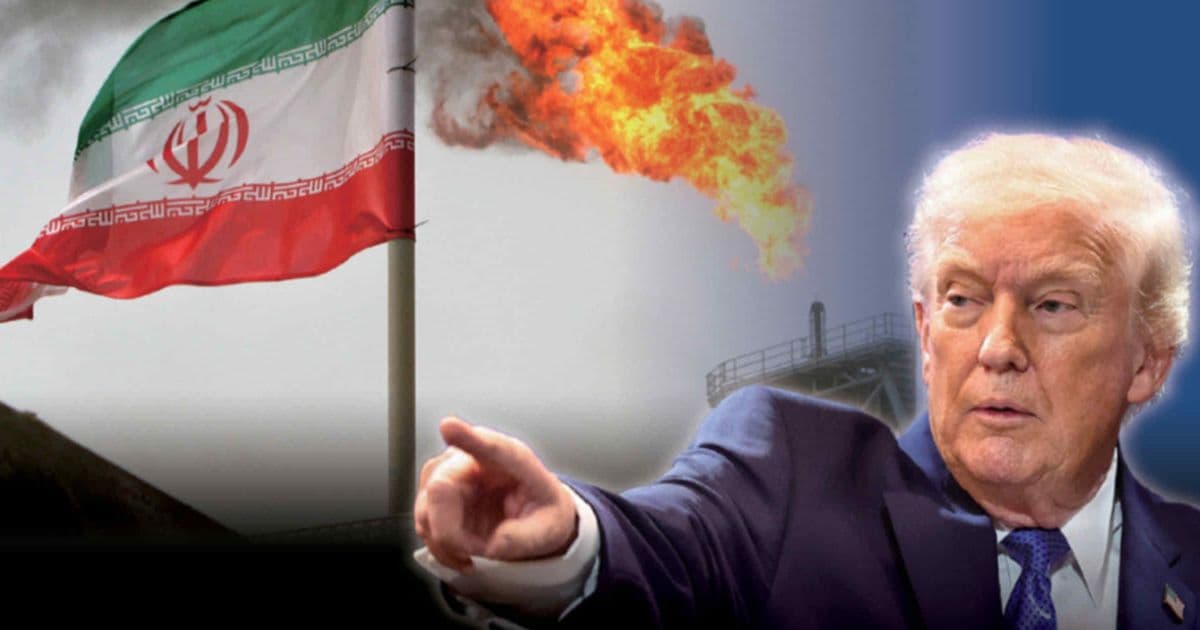
US strikes against Iran mark latest escalation in Trump administration's use of energy resources as foreign policy tool, creating uncertainty in global oil markets.
The Trump administration's military strikes against Iran on Saturday represent the latest escalation in President Donald Trump's willingness to use energy as a political weapon, creating significant uncertainty in global oil markets.
Energy as Foreign Policy Leverage The administration is seeking to leverage control over oil and gas resources as a foreign policy tool, marking a shift toward what analysts describe as a "rule-by-force" approach to international relations. This strategy extends beyond traditional diplomatic channels, using America's energy dominance as both carrot and stick in geopolitical negotiations.
Market Impact Oil markets are watching anxiously to see if the conflict will spread beyond Iran, with traders pricing in increased volatility. The strikes come at a time when energy prices were already under pressure from various global factors, including OPEC production decisions and shifting demand patterns in major economies.
Regional Implications The strikes have triggered alarm across Asia, with regional powers reassessing their energy security strategies. Countries heavily dependent on Middle Eastern oil supplies are particularly vulnerable to supply disruptions that could result from escalating tensions.
Strategic Context This approach aligns with the administration's broader "Big beautiful belt" strategy of forming US-aligned states across Eurasia. The energy weaponization fits into a larger pattern of using economic leverage to achieve foreign policy objectives, from trade negotiations to military alliances.
Global Energy Dynamics While the US has become a major energy exporter in recent years, the interconnected nature of global oil markets means that regional conflicts still have worldwide implications. The administration's strategy appears to bet that America's position as both producer and consumer gives it unique leverage in energy diplomacy.
Long-term Consequences Energy analysts warn that weaponizing oil supplies could have lasting effects on global energy markets, potentially accelerating the transition to alternative energy sources as countries seek to reduce their vulnerability to supply disruptions. The strategy may also strain relationships with traditional allies who depend on stable energy supplies.
The administration's approach represents a significant departure from previous US energy policies, which generally emphasized market stability and international cooperation. Whether this new strategy will achieve its intended foreign policy goals while managing the economic risks remains to be seen.
Comments
Please log in or register to join the discussion